Artificial intelligence is moving from science fiction into everyday life. From classrooms and workplaces to music, art, writing, engineering, and entrepreneurship, AI is changing how people learn, work, and create.
But the biggest question isn’t simply “What can AI do?”
It’s:
“What will humans do with AI?”
🧠 1. AI Is Transforming Education
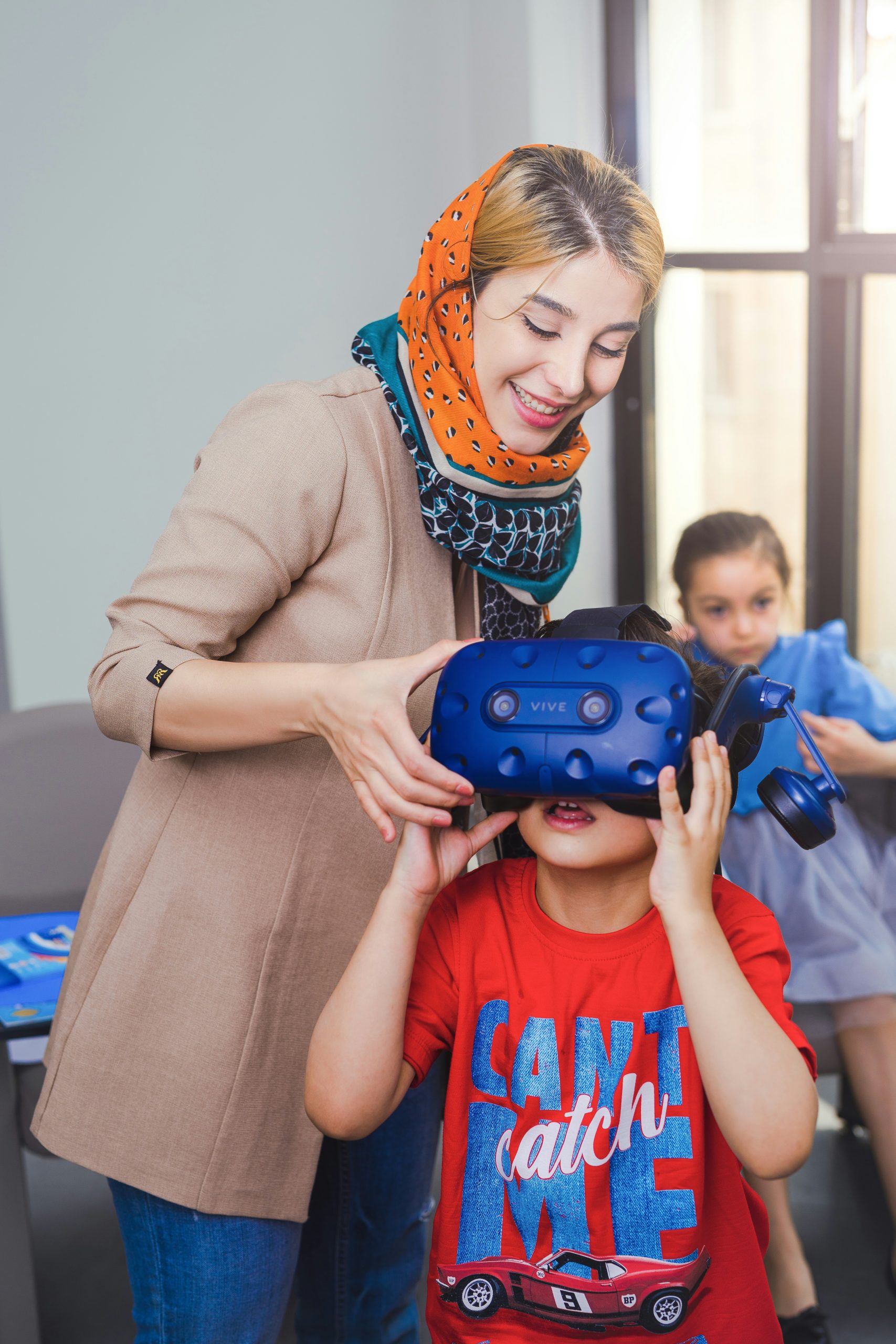
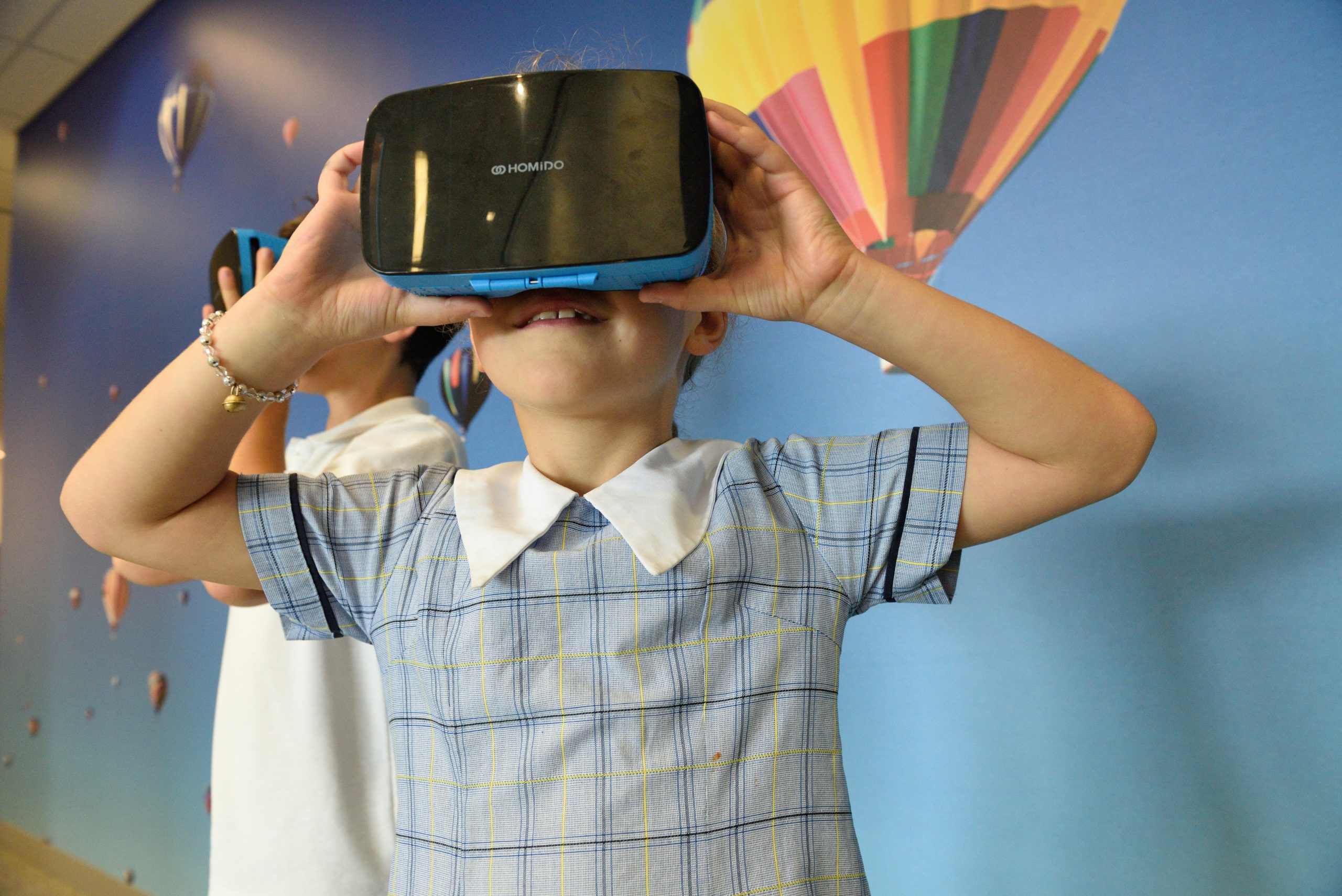
Imagine a classroom where every student can have an AI-powered learning assistant.
AI can help students:
- Understand difficult concepts
- Practice mathematics
- Learn languages
- Receive personalized explanations
- Brainstorm ideas
- Create study guides
- Explore scientific questions
- Learn at their own pace
Instead of replacing teachers, AI could become another tool teachers use to provide more personalized learning.
The Future Classroom
Student + Teacher + AI = Personalized Learning
Students won’t just memorize information. They’ll increasingly need to learn how to ask better questions, evaluate information, solve problems, and use technology responsibly.
💼 2. AI Is Changing the Workplace
AI is also transforming jobs.
Some repetitive tasks can increasingly be automated, allowing workers to spend more time on activities requiring judgment, communication, leadership, creativity, and human relationships.
Future workers may collaborate with AI every day.
Jobs growing around AI include:
🤖 AI Engineer
💻 Software Developer
📊 Data Scientist
🧠 AI Researcher
🎨 AI Creative Director
🔐 AI Cybersecurity Specialist
🏥 AI Healthcare Specialist
🌎 Climate Technology Specialist
🏭 Robotics Engineer
👩🏾🏫 AI Education Specialist
But there’s an important lesson:
You don’t necessarily have to become an AI engineer to work with AI.
Doctors, teachers, lawyers, designers, construction workers, scientists, marketers, entrepreneurs and many other professionals can use AI tools in their fields.
🎨 3. AI Is Supercharging Creativity
Perhaps one of the most exciting changes is happening in the creative world.
AI can help people create:
🎨 Artwork
🎵 Music
🎬 Videos
📚 Stories
🎮 Video games
📰 Articles
🏗️ Designs
📱 Apps
🎥 Animations
A person with an idea can potentially turn that idea into a prototype much faster.
This could create a new generation of AI-assisted creators.
But creativity isn’t disappearing.
The human imagination remains the starting point.
AI can generate possibilities, but humans decide what is meaningful, useful, beautiful, ethical, or worth pursuing.
🌎 4. The AI Opportunity
AI could help address major challenges involving:
Education
Making high-quality learning resources more accessible.
Healthcare
Helping professionals analyze information and develop new treatments.
Climate
Improving environmental monitoring and energy efficiency.
Transportation
Creating smarter transportation systems.
Agriculture
Helping farmers monitor crops and improve resource use.
Small Business
Giving entrepreneurs access to tools that once required large teams.
⚠️ 5. The Challenges We Must Address
AI also creates serious questions.
Will some jobs disappear?
How do we protect privacy?
How do we prevent AI-generated misinformation?
How do we make sure AI is fair?
Who controls powerful AI systems?
How do students know what’s real?
These aren’t just technology questions.
They’re human questions.
That’s why AI education needs to include ethics, critical thinking, digital citizenship, and responsible technology use.
🚀 6. Preparing for the Future
The students entering school today may eventually work in careers that don’t even exist yet.
That’s why STEM Nastics believes students should develop five major abilities:
1. Think
Develop critical-thinking skills.
2. Create
Turn ideas into something tangible.
3. Solve
Learn how to tackle difficult problems.
4. Collaborate
Work effectively with people and intelligent technologies.
5. Innovate
Imagine possibilities that don’t exist today.
🌟 STEM NASTICS FUTURE VISION
AI shouldn’t replace human potential.
It should expand it.
The real AI revolution isn’t simply about machines becoming smarter.
It’s about people gaining new tools to learn, create, invent, and solve problems.
The students who learn to work with AI—not simply consume it—could become the innovators who shape the next generation.