
The Innovations That Could Define the Next Generation
STEM Nastics Magazine | STEM for the Future
Technology isn’t standing still.
Every year, scientists, engineers, programmers, entrepreneurs, and inventors develop new tools that change how we communicate, learn, travel, work, create, and understand our planet.
Some technologies improve the devices we already use. Others could completely transform entire industries.
From artificial intelligence to quantum computing, the technologies being developed today could shape the world of tomorrow.
Here are 10 breakthrough technologies every student should know about.
1. 🤖 Artificial Intelligence
Artificial intelligence is one of the most important technological developments of our time.
AI systems can analyze information, recognize patterns, generate content, translate languages, assist with research, and perform many tasks that traditionally required human decision-making.
AI is already being used in:
- Education
- Healthcare
- Transportation
- Business
- Science
- Entertainment
- Manufacturing
- Environmental research
But we’re still in the early stages of the AI revolution.
The big question:
How will humans use AI to solve problems that were previously too difficult, expensive, or time-consuming?
2. 🦾 Advanced Robotics
Robots are becoming more capable, adaptable, and intelligent.
Traditional industrial robots have been used for decades, particularly in manufacturing. New generations of robots are being designed to operate in environments that are much less predictable.
Robotics is expanding into:
🏥 Healthcare
🏭 Manufacturing
🌾 Agriculture
📦 Warehousing
🚀 Space exploration
🌊 Ocean research
🏠 Homes
Robots can combine cameras, sensors, motors, software, and AI to interact with the physical world.
STEM Connection
Robotics = Engineering + Computer Science + Mathematics + Physics + AI
3. ⚛️ Quantum Computing
Today’s computers process information using bits represented as 0s and 1s.
Quantum computers use quantum bits, or qubits, which operate according to the principles of quantum mechanics.
Quantum computing could eventually help researchers tackle certain extremely complex problems involving areas such as chemistry, materials science, optimization, and cryptography.
Quantum computers aren’t simply “faster computers.”
They represent a fundamentally different approach to computation.
Imagine computers helping scientists design new materials or study complex chemical systems in ways that are difficult for conventional computers.
That’s one reason researchers are paying so much attention to quantum technology.
4. 🧬 Biotechnology & Genetic Engineering
Biotechnology combines biology with technology to solve problems and create new possibilities.
Scientists can study DNA, cells, proteins, microorganisms, and biological systems using increasingly sophisticated tools.
One important area is genetic engineering, where researchers modify genetic material for specific purposes.
Potential applications include:
- Medical research
- Agriculture
- Disease research
- Environmental science
- Biotechnology manufacturing
Biotechnology could play a major role in the future of medicine, food production, and environmental protection.
5. 🔋 Advanced Energy Technology
The world needs reliable energy—and scientists and engineers are working on ways to produce, store, and use energy more efficiently.
Important areas include:
☀️ Solar power
🌬️ Wind energy
🔋 Advanced batteries
⚡ Energy storage
🌊 Hydropower
🌋 Geothermal energy
☢️ Advanced nuclear technologies
Energy storage is particularly important because some renewable energy sources depend on conditions such as sunlight and wind.
Better batteries and other storage technologies could help make electrical systems more flexible and resilient.
6. 🧠 Brain-Computer Interfaces
What if a computer could communicate directly with the nervous system?
That’s the idea behind brain-computer interfaces, or BCIs.
Researchers are investigating ways to detect neural signals and translate them into commands for computers or other devices.
Potential applications include helping people with certain disabilities interact with technology.
The field also raises important questions about:
- Privacy
- Security
- Medical ethics
- Human identity
- Data ownership
The brain may become one of the most important frontiers in human-computer interaction.
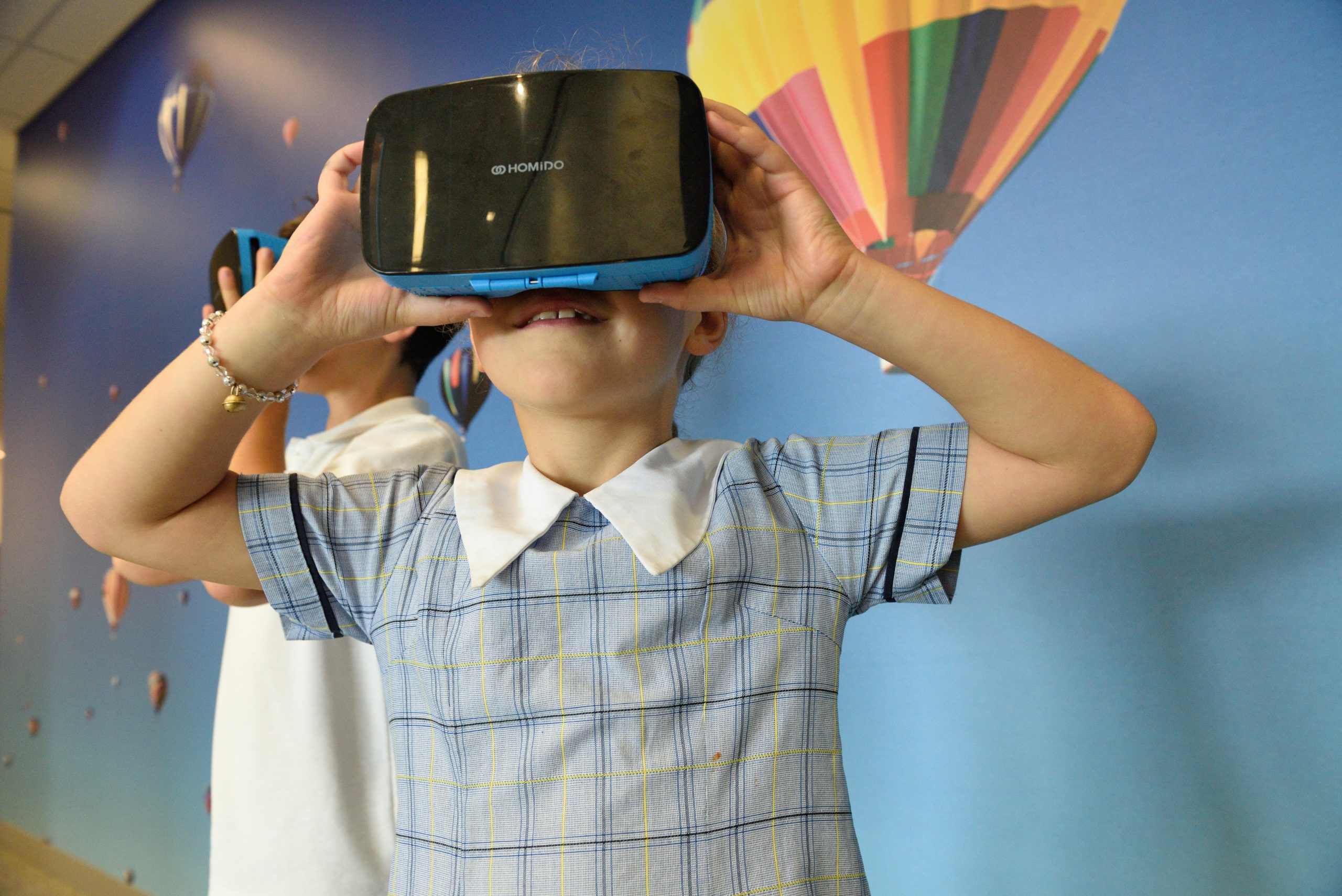
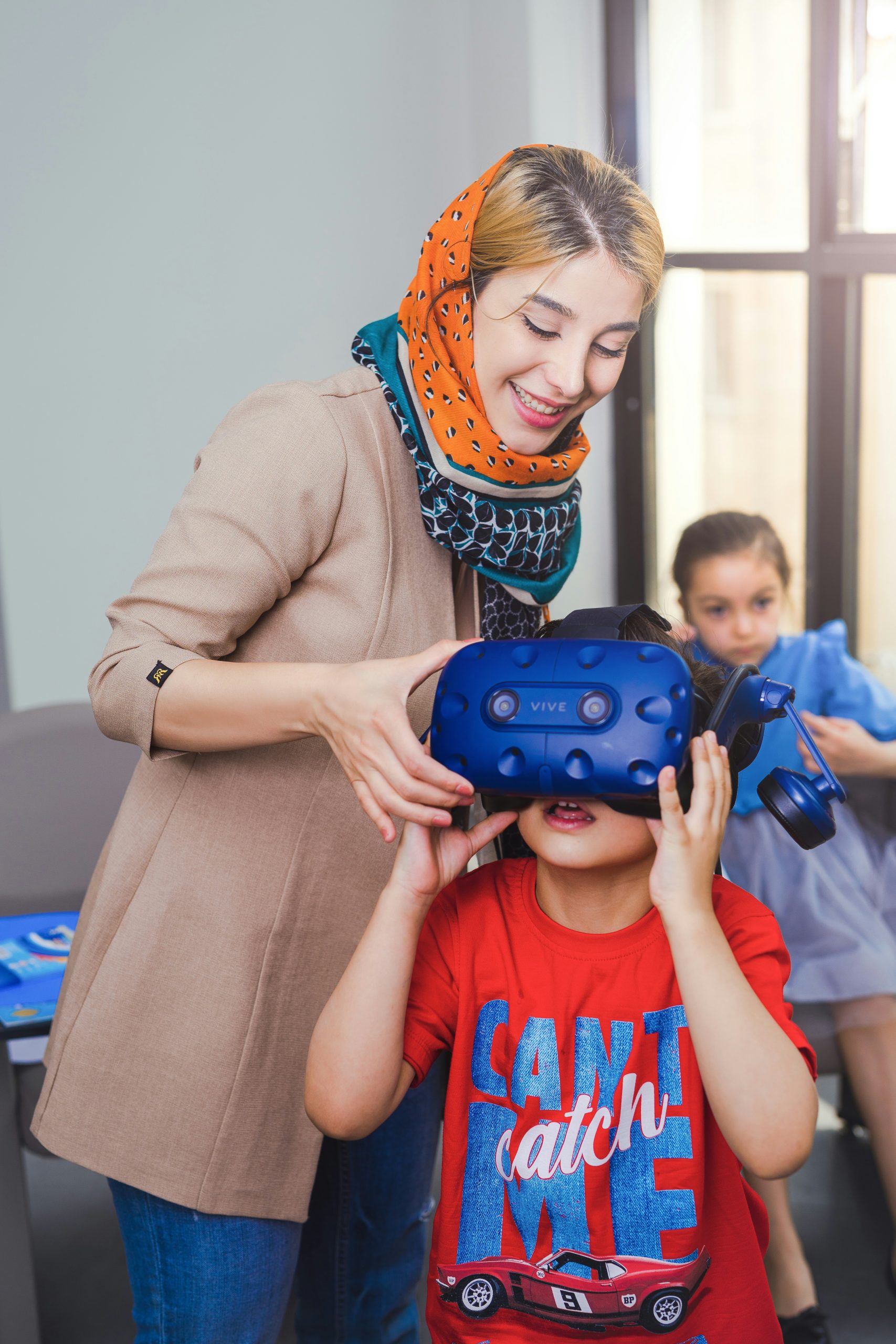
7. 🥽 Virtual & Augmented Reality
Virtual reality can place users inside computer-generated environments.
Augmented reality adds digital information to the physical world.
These technologies could change how we:
- Learn
- Train
- Design
- Work
- Play
- Explore
Imagine a student studying ancient civilizations while exploring a virtual city—or an engineering student examining a virtual machine before building the real thing.
The classroom could become an immersive laboratory.
8. 🛰️ Advanced Satellites & Earth Observation
Thousands of satellites help humans understand and communicate across our planet.
Satellites support:
📡 Communications
🌦️ Weather forecasting
🌎 Climate research
🗺️ Mapping
🚢 Transportation
🌾 Agriculture
🛰️ Disaster monitoring
Modern Earth-observation systems can provide enormous amounts of information about Earth’s land, oceans, atmosphere, and changing environment.
Combined with AI and advanced data analysis, satellite technology could become an increasingly powerful tool for understanding our planet.
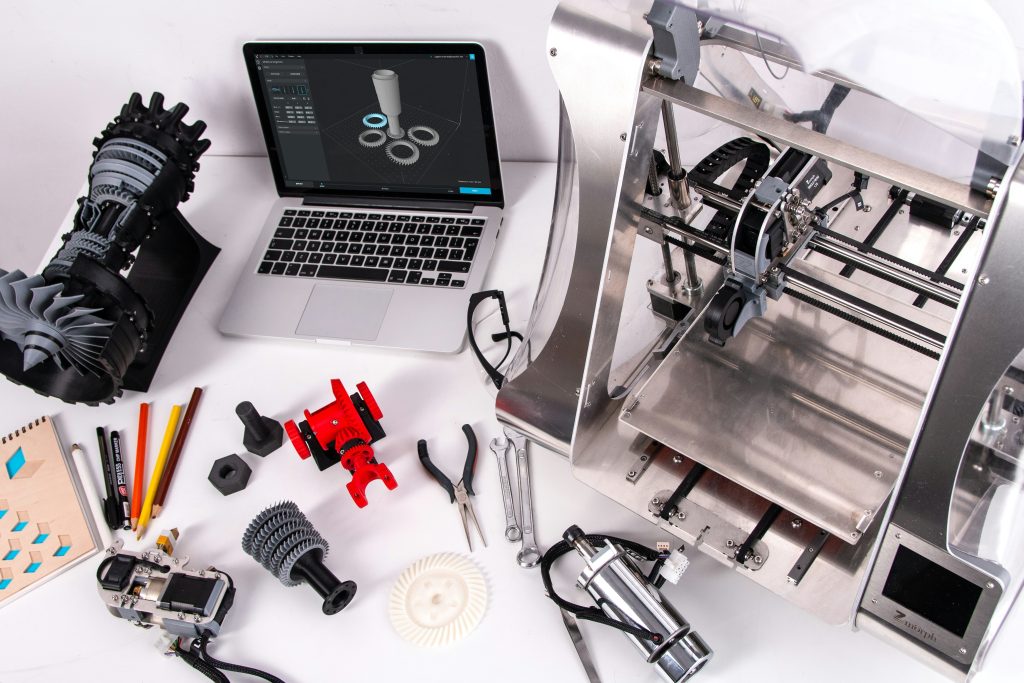
9. 🖨️ 3D Printing & Advanced Manufacturing
Traditional manufacturing often involves cutting, shaping, molding, or assembling materials.
3D printing works differently.
It builds objects layer by layer from digital designs.
This technology can be used to create:
- Prototypes
- Mechanical parts
- Educational models
- Architectural designs
- Medical devices
- Customized products
One of the biggest advantages is the ability to rapidly experiment with new designs.
Idea → Digital Model → Prototype → Test → Improve
That is engineering in action.
10. 🌊 Ocean Technology
More than 70% of Earth’s surface is covered by ocean, yet much of the deep ocean remains poorly understood.
New technologies are helping scientists explore this enormous environment.
These include:
🤿 Autonomous underwater vehicles
🌊 Underwater robots
📡 Ocean sensors
🛰️ Satellite monitoring
🧪 Advanced marine laboratories
🤖 AI-powered data analysis
Ocean technology could help us better understand marine ecosystems, climate systems, underwater geology, and biodiversity.
It could also support efforts to protect the health of our oceans.
🌟 THE TECHNOLOGIES WORKING TOGETHER
The most exciting part of the technology revolution isn’t necessarily any single invention.
It’s what happens when technologies combine.
Imagine:
AI + Robotics + Sensors
A robot that can understand and respond to its environment.
Or:
AI + Satellites + Climate Science
Systems that can analyze enormous amounts of environmental data.
Or:
Biotechnology + AI + Advanced Computing
New tools for understanding biological systems.
Or:
Virtual Reality + AI + Education
Personalized immersive learning experiences.
The future will be built through combinations.
🎓 WHAT DOES THIS MEAN FOR STUDENTS?
Students don’t need to master all 10 technologies.
But they should understand the basic ideas behind them.
More importantly, students should develop the skills needed to work in a rapidly changing world.
Learn to:
🧠 Think critically
💡 Solve problems
💻 Understand technology
📊 Work with data
🤝 Collaborate
🎨 Create
🔬 Experiment
🚀 Innovate
Technology will continue changing.
The ability to learn, adapt, and create may be one of the most valuable skills of all.
🔥 STEM NASTICS CHALLENGE
DESIGN THE TECHNOLOGY OF 2035
Choose one of the 10 technologies from this article.
Then imagine it 10 years from now.
Answer these questions:
1. What will the technology look like?
2. What problem will it solve?
3. Who will use it?
4. How will it change people’s lives?
5. What could go wrong?
6. What STEM skills would you need to build it?
Now draw your invention or create a digital model.
Don’t just imagine the future.
Design it.
🚀 THE FUTURE IS BEING BUILT TODAY
The technologies we discussed may sound futuristic, but researchers and engineers are already working on them.
The next breakthrough could come from a university laboratory.
It could come from a major technology company.
It could come from a startup.
Or it could come from a student with an idea and a willingness to experiment.
The technology of tomorrow begins with the curiosity of today.
STEM Nastics Magazine
STEM FOR THE FUTURE
Explore • Discover • Create • Innovate
What technology will YOU create?
Sed sed nibh tristique, facilisis felis ut, convallis dolor. Pellentesque rhoncus tempus volutpat. Aenean placerat libero enim, nec blandit sem tempor et. Aliquam diam ante, dapibus non gravida tempor, sagittis nec nibh.
Mauris tempor elementum quam. Morbi sit amet eros sit amet justo tempus venenatis
Vestibulum ante ipsum primis in faucibus orci luctus et ultrices posuere cubilia curae; Duis suscipit magna eu ultrices condimentum. Maecenas posuere nunc nibh, quis lacinia lectus dignissim nec. Curabitur placerat congue metus nec mollis. Ut erat felis, accumsan et orci posuere, iaculis hendrerit nunc.

Morbi maximus viverra magna ac imperdiet. “Nulla tempus suscipit“ quam cursus imperdiet. Maecenas ac metus nec odio convallis semper. Nam non eros a augue faucibus aliquet eget non sapien. Cras quis interdum diam. Phasellus tempor lectus in pulvinar dignissim. Sed eleifend massa quis ante sollicitudin, non accumsan lorem laoreet. Nam auctor neque a libero fermentum ullamcorper. Phasellus quis tellus leo.
- Sed Varius orci in arcu posuere
- Aliquam erat volutpat. Curabitur neque justo
- Duis a Sagittis ipsum, at lacinia leo
- Duis suscipit magna eu ultrices condimentum
In sit amet tincidunt quam. Integer at est tempus, placerat turpis eget, ultrices ligula. Fusce a suscipit neque. Fusce quis ante enim. Suspendisse potenti. Nulla dolor erat, varius id arcu quis, facilisis varius libero. Aliquam erat volutpat.
Donec eleifend gravida hendrerit. Donec lacus leo, pharetra
maximus ullamcorper sapien. Mauris justo ante, molestie eu turpis nec, accumsan pharetra turpis. Ut eget pretium lacus. Mauris porttitor in quam quis pulvinar. Pellentesque habitant morbi tristique senectus et netus et malesuada fames ac turpis egestas. In eu est vitae massa convallis hendrerit nec eu lorem. In hac habitasse platea dictumst. Maecenas et finibus arcu. Duis a sagittis ipsum, at lacinia leo. Aliquam erat volutpat. Curabitur neque justo, varius non ornare sed, consequat eget lacus.

Aenean eu felis at ipsum volutpat pellentesque vel ac diam
Morbi at neque tellus. Curabitur massa augue, porttitor vel tempor et, pulvinar vitae ipsum. Fusce viverra gravida felis, sed consequat enim sagittis a. Nullam aliquet ultricies augue, a pretium leo dapibus id. Nulla eros eros, tincidunt at lacus quis, aliquet sagittis dui. Vestibulum lobortis leo at scelerisque dapibus. Cras sagittis, augue



One Comment
Lorem ipsum dolor sit amet, consectetur adipisicing elit. Minima incidunt voluptates nemo, dolor optio quia architecto quis delectus perspiciatis. Nobis atque id hic neque possimus voluptatum voluptatibus tenetur, perspiciatis consequuntur.