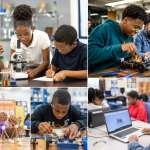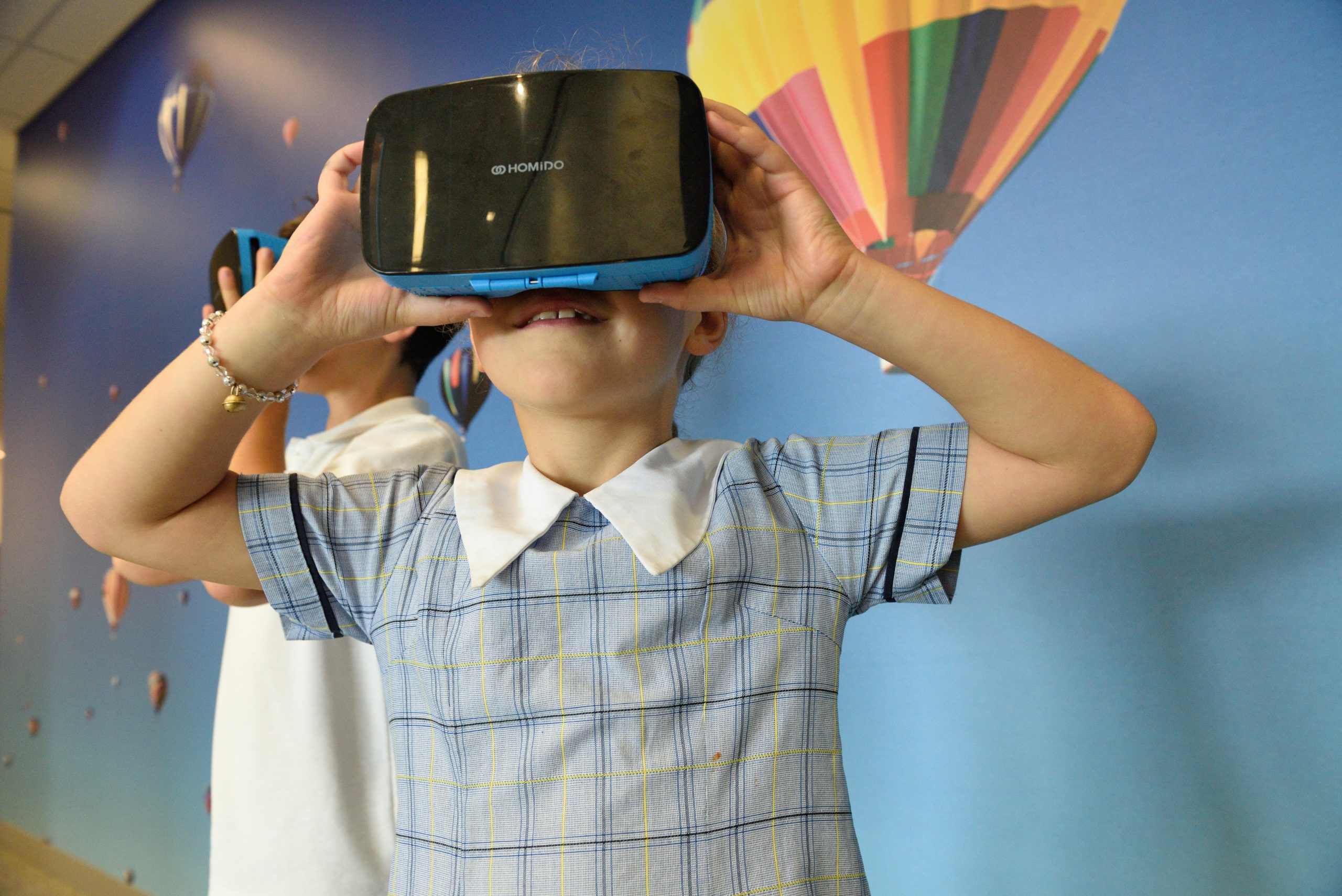
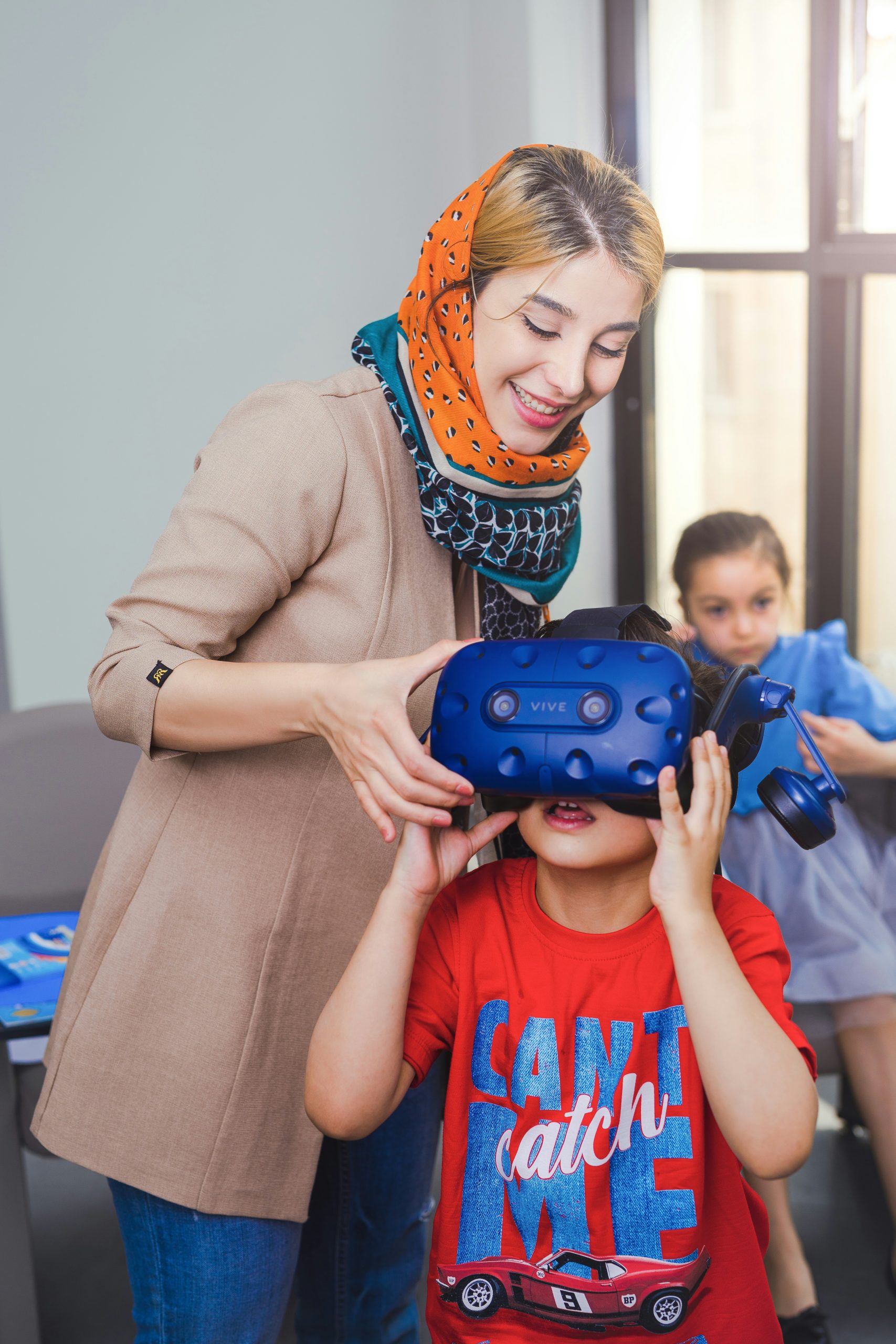
What will you be when you grow up?
For generations, students have answered that question with careers like doctor, teacher, engineer, scientist, or lawyer.
But the world of work is changing.
Artificial intelligence, robotics, biotechnology, cybersecurity, space exploration, clean energy, advanced manufacturing, and climate technology are creating new opportunities—and transforming traditional careers.
Some of tomorrow’s jobs may not even have names yet.
Welcome to the future of work.
🤖 1. Artificial Intelligence Engineer
AI engineers help design, develop, test, and improve artificial intelligence systems.
They may work with machine learning, computer vision, natural-language systems, robotics, or other AI technologies.
STEM Skills
- Mathematics
- Computer science
- Programming
- Data analysis
- Problem-solving
Where They Work
Technology companies, research organizations, healthcare, finance, government, education, and many other industries.
🦾 2. Robotics Engineer
Robotics engineers design machines that can perform physical tasks.
They combine mechanical engineering, electronics, computer programming, sensors, and AI.
Future robotics engineers could work on robots used in:
🏥 Hospitals
🏭 Factories
🚀 Space missions
🌊 Ocean exploration
🌾 Agriculture
🏠 Homes
Big Question
What should the next generation of robots be able to do?
🔐 3. Cybersecurity Specialist
As more of our lives move online, protecting information becomes increasingly important.
Cybersecurity professionals help protect computers, networks, organizations, and people from digital threats.
They may investigate security incidents, identify vulnerabilities, monitor systems, and help organizations protect sensitive information.
STEM Skills
Technology + Computer Science + Critical Thinking + Problem-Solving
🧬 4. Biotechnology Researcher
Biotechnology combines biology with advanced technology.
Researchers in this field can work on areas such as genetics, medicine, agriculture, biological manufacturing, and environmental science.
This career could be especially important as scientists work to understand diseases, improve health, develop sustainable materials, and address environmental challenges.
🌎 5. Climate Technology Specialist
The future needs people who can develop technologies that help communities respond to environmental challenges.
Climate technology professionals may work with:
☀️ Solar energy
🌬️ Wind energy
🔋 Energy storage
🌊 Ocean technology
🌱 Sustainable agriculture
🏙️ Smart cities
♻️ Recycling and materials
This career combines STEM knowledge with a desire to solve real-world problems.
🚀 6. Space Systems Engineer
Humanity’s exploration of space requires thousands of scientists and engineers.
Space systems engineers help design and integrate complex spacecraft and other systems.
They may work with:
- Rockets
- Satellites
- Spacecraft
- Communications
- Sensors
- Navigation
- Life-support systems
The future could take STEM professionals back to the Moon—and eventually farther into the solar system.
🧠 7. Brain-Computer Interface Specialist
What if computers could communicate directly with the brain?
Researchers are working on technologies known as brain-computer interfaces, or BCIs.
Professionals in this emerging field may combine neuroscience, engineering, computer science, medicine, and data analysis.
Potential applications include helping people interact with technology in new ways.
This field also creates important questions about privacy, safety, ethics, and human rights.
🌊 8. Ocean Technology Engineer
Earth’s oceans are enormous—and much remains to be discovered.
Ocean technology engineers develop tools that help scientists explore and monitor underwater environments.
They may work with:
🤿 Underwater robots
🌊 Sensors
🛰️ Satellites
🚢 Autonomous vehicles
🤖 Artificial intelligence
Ocean technology could help us better understand marine life, climate systems, underwater environments, and ocean conservation.
🏙️ 9. Smart City Engineer
Tomorrow’s cities could become increasingly connected.
Smart-city professionals may work on technologies involving:
🚦 Intelligent transportation
⚡ Energy systems
💧 Water management
🏢 Smart buildings
📡 Sensors
🌎 Environmental monitoring
The goal isn’t simply to make cities more technological.
The goal is to make them safer, more efficient, sustainable, and livable.
🎮 10. Game Technology Developer
Video games are becoming increasingly sophisticated.
Game technology professionals can work with programming, artificial intelligence, animation, sound, virtual reality, augmented reality, storytelling, and interactive design.
Gaming technology is also being used beyond entertainment—in education, training, healthcare, simulation, and scientific research.
STEM + Creativity = New Possibilities
🧪 11. Synthetic Biology Engineer
Synthetic biology combines biology and engineering principles to design or modify biological systems.
This emerging field could contribute to areas such as medicine, agriculture, manufacturing, and environmental science.
It is an example of how the boundaries between traditional STEM fields are beginning to disappear.
📊 12. Data Scientist
Data scientists turn large amounts of information into useful insights.
They use mathematics, statistics, programming, and analytical tools to identify patterns and answer important questions.
Almost every industry generates data.
That means data professionals can work in:
- Healthcare
- Sports
- Business
- Science
- Government
- Education
- Entertainment
- Environmental research
🖨️ 13. Advanced Manufacturing Engineer
Factories of the future may combine robotics, AI, sensors, 3D printing, automation, and advanced materials.
Manufacturing engineers help design these systems.
They can help companies produce products more efficiently while improving quality and reducing waste.
The factory of the future will need both machines and highly skilled people.
🌐 14. Quantum Technology Specialist
Quantum technology is an emerging field based on principles of quantum physics.
It includes areas such as quantum computing, quantum communications, and quantum sensing.
These technologies are still developing, but they could eventually create new capabilities in computing, science, security, and measurement.
Students interested in mathematics, physics, and computer science may find exciting opportunities in this field.
🎨 15. AI Creative Technologist
Creativity and technology are coming together in new ways.
AI creative technologists may use artificial intelligence alongside traditional creative skills to develop:
🎬 Films
🎮 Games
🎨 Digital art
🎵 Music
📱 Interactive experiences
🥽 Virtual environments
📚 Stories
The future creator may not choose between technology and creativity.
They may master both.
💼 THE MOST IMPORTANT FUTURE JOB SKILL
Technology will change.
Specific job titles will change.
Some jobs will disappear, while others will emerge.
But certain human abilities will remain valuable.
Learn to:
🧠 Think critically
💡 Solve problems
🎨 Be creative
🤝 Collaborate
💬 Communicate
💻 Understand technology
📊 Work with data
🔬 Experiment
🚀 Adapt and learn
The most successful workers may be those who can continuously learn new skills.
🎓 HOW STUDENTS CAN PREPARE NOW
You don’t have to wait until college to begin preparing for a STEM career.
Start today.
Learn to code.
Build a robot.
Join a STEM club.
Enter a science competition.
Learn about AI.
Experiment with electronics.
Study mathematics.
Explore science.
Create a game.
Build something that solves a problem.
And most importantly:
Stay curious.
🌟 THE JOB OF THE FUTURE MAY NOT EXIST YET
Think about that.
The career you eventually choose may be something that hasn’t been invented.
That’s why STEM education isn’t only about preparing students for today’s jobs.
It’s about preparing them to create tomorrow’s jobs.
The next generation won’t simply inherit the future.
They will design it.
They will build it.
They will program it.
They will discover it.
They will improve it.
And they may create careers we can’t even imagine today.
🔥 STEM NASTICS FUTURE CAREER CHALLENGE
CREATE YOUR OWN FUTURE JOB
Imagine a career that could exist in 2035, 2040, or 2050.
Give it a name.
Then answer:
1. What does this person do?
2. What problem does the job solve?
3. What STEM skills are required?
4. What technology do they use?
5. Where do they work?
6. What education or training would they need?
7. How does their work help society?
Now draw yourself doing the job.
You might just be imagining your future career.
🚀 STEM NASTICS
THE FUTURE STARTS WITH YOU
Explore • Discover • Create • Innovate
Don’t wait for the future.
Build it.