Science, Technology, Engineering & Mathematics Are Building the Future
STEM Nastics Magazine | STEM for the Future
The future isn’t waiting for us.
It is being built right now—in laboratories, classrooms, universities, businesses, garages, hospitals, oceans, factories, and technology centers around the world.
From artificial intelligence and robotics to space exploration, biotechnology, renewable energy, cybersecurity, and advanced engineering, STEM is transforming the way we live, work, learn, and solve problems.
The STEM revolution is here.
🚀 What Is the STEM Revolution?
STEM stands for:
S — Science
T — Technology
E — Engineering
M — Mathematics
These four areas work together to help humanity understand the world and create solutions to some of its biggest challenges.
Science helps us understand why things happen.
Technology gives us tools to do things.
Engineering helps us design and build solutions.
Mathematics gives us the language and tools to measure, calculate, analyze, and predict.
Together, they create a powerful force for innovation.
🤖 Artificial Intelligence Is Changing Everything
One of the biggest developments of the STEM revolution is artificial intelligence.
AI can analyze enormous amounts of information, recognize patterns, generate content, assist with research, translate languages, help programmers write software, and support people in countless fields.
But AI isn’t just about computers.
It is becoming part of healthcare, education, transportation, manufacturing, entertainment, environmental science, and business.
The next generation won’t simply use AI.
They will build with it.
🦾 Welcome to the Age of Robotics
Robots are moving from factories into hospitals, laboratories, warehouses, farms, homes, and even space exploration.
Modern robots can use cameras and sensors to understand their surroundings and perform increasingly sophisticated tasks.
Robotics brings together multiple STEM disciplines:
Computer Science + Engineering + Mathematics + Physics + AI
That makes robotics one of the ultimate examples of interdisciplinary STEM.
🚀 Humanity Is Reaching Beyond Earth
Space exploration is another major part of the STEM revolution.
Scientists and engineers are developing spacecraft, rockets, satellites, space telescopes, and technologies that could eventually support longer human missions beyond Earth.
Students learning mathematics, physics, computer science, engineering, and biology today could become part of tomorrow’s space workforce.
The next generation could help answer one of humanity’s oldest questions:
Are we alone in the universe?
🌎 STEM Could Help Protect Our Planet
STEM isn’t only about exploring the future.
It is also about protecting the planet we already have.
Scientists are studying Earth’s climate, oceans, forests, wildlife, atmosphere, and ecosystems.
Engineers are developing cleaner technologies.
Computer scientists are using AI and data to analyze environmental changes.
Researchers are developing new approaches to renewable energy, conservation, sustainable agriculture, and pollution reduction.
The future of our planet will require scientific knowledge and innovative thinking.
🧬 The Biotechnology Revolution
Another rapidly developing area is biotechnology.
Scientists are using biological knowledge and advanced technologies to better understand diseases, genetics, agriculture, ecosystems, and the human body.
Biotechnology brings together:
Biology + Chemistry + Medicine + Engineering + Computer Science
The result is a new generation of scientific possibilities.
💻 Every Student Is Becoming a Technologist
You don’t have to work in a laboratory to be part of the STEM revolution.
Technology is already part of everyday life.
Students use:
- Smartphones
- Computers
- Apps
- Video games
- Digital cameras
- Internet services
- AI tools
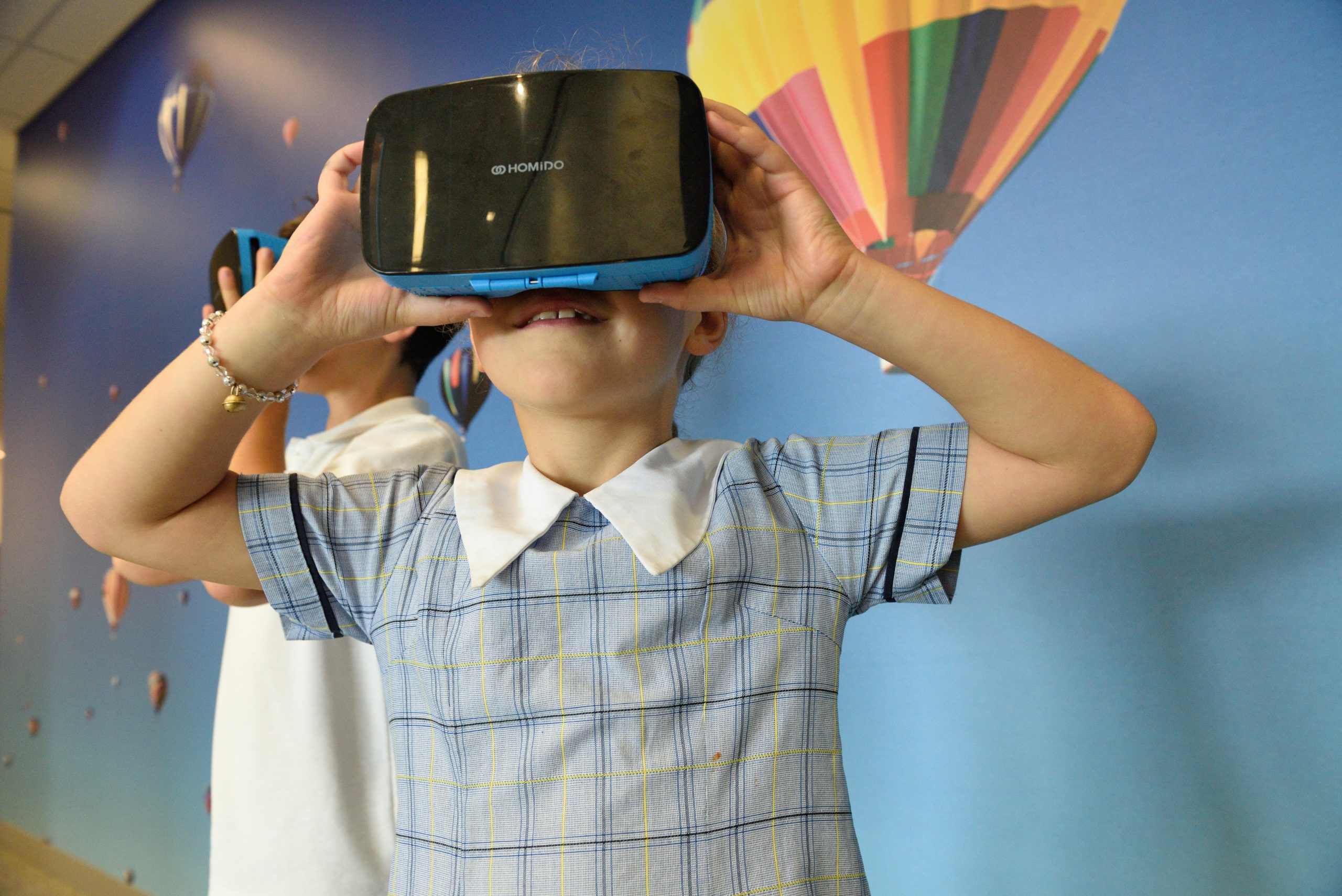
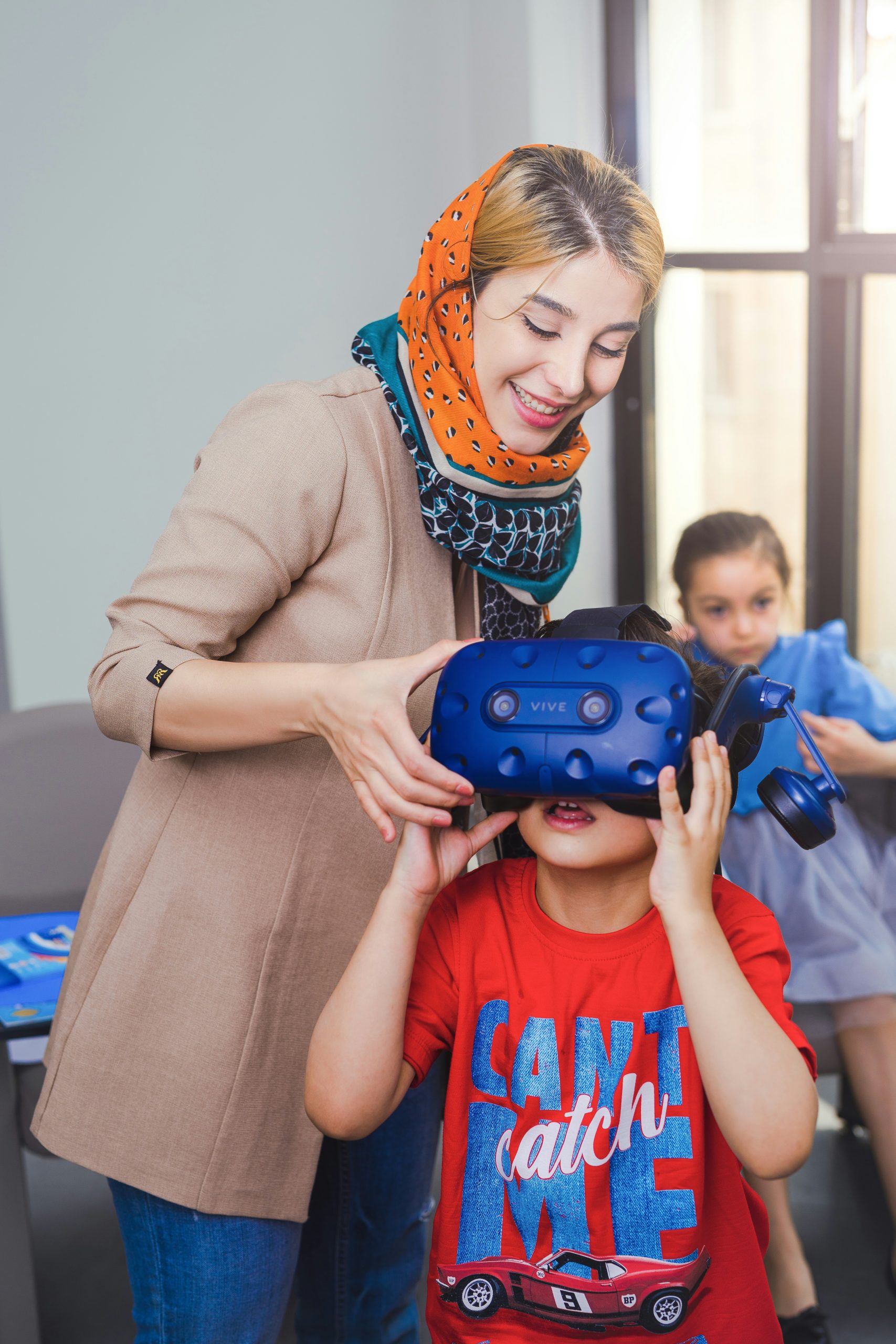
- Virtual reality
- Online learning platforms
But STEM Nastics wants students to go one step further.
Don’t just use technology.
Understand it.
Then learn to create it.
💡 The Future Needs Problem-Solvers
The STEM revolution isn’t really about machines.
It’s about people solving problems.
How can we:
- Make education better?
- Protect the oceans?
- Develop cleaner energy?
- Improve transportation?
- Build affordable housing?
- Fight diseases?
- Explore space?
- Protect our communities?
- Make technology safer?
- Create new businesses?
These are STEM questions.
And they need creative people willing to find answers.
🎓 The Classroom of the Future
The STEM classroom of tomorrow could look very different from the classroom of yesterday.
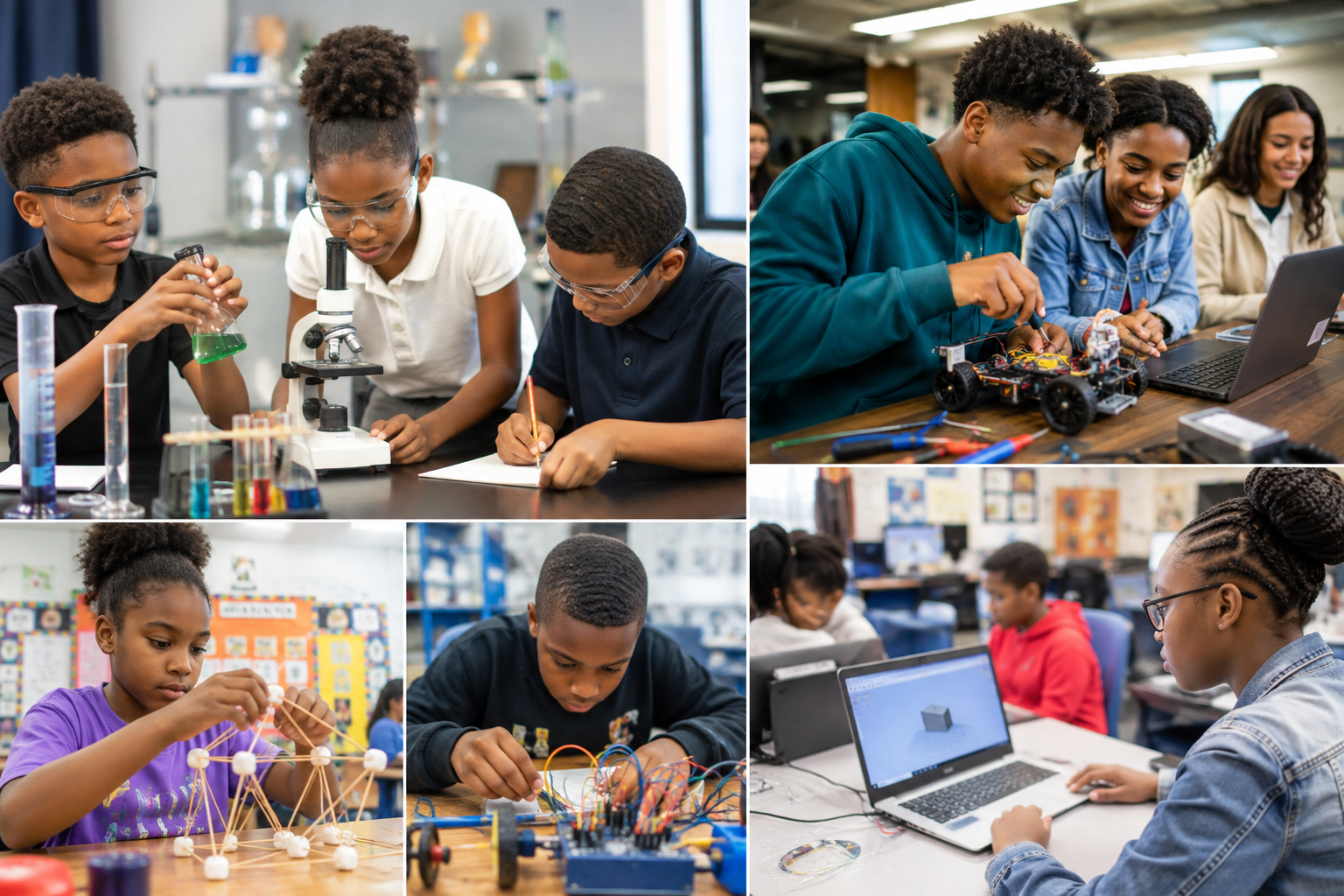
Students may use AI tutors, virtual laboratories, robotics kits, 3D printers, simulations, digital microscopes, coding platforms, and immersive learning environments.
Instead of simply reading about engineering, students could build.
Instead of only studying computer science, they could program.
Instead of only learning about science, they could experiment.
Instead of memorizing mathematics, they could use mathematics to solve real problems.
🌟 YOU CAN BE PART OF THE REVOLUTION
You don’t have to wait until you’re an adult.
You can start today.
Try something new.
Build a model.
Learn to code.
Ask a scientific question.
Design a robot.
Study the stars.
Create an app.
Conduct an experiment.
Solve a problem in your community.
Start a STEM club.
Invent something.
Your idea could become tomorrow’s innovation.
🔥 STEM NASTICS FUTURE CHALLENGE
WHAT PROBLEM WOULD YOU SOLVE?
Choose one problem in your school, neighborhood, city, or world.
Then answer:
1. What is the problem?
2. Who is affected by it?
3. What causes the problem?
4. How could STEM help solve it?
5. What would your solution look like?
6. What would you need to build it?
7. How would you test your idea?
Don’t worry if your first idea doesn’t work.
Engineers don’t expect their first design to be perfect.
They test, learn, improve, and try again.
🌎 THE FUTURE IS YOURS TO BUILD
The STEM revolution is creating possibilities that previous generations could only imagine.
Artificial intelligence.
Robotics.
Space exploration.
Biotechnology.
Clean energy.
Advanced computing.
Climate technology.
Smart cities.
The technologies of tomorrow are being developed today.
But technology alone won’t determine the future.
People will.
And that means students have an important role to play.