Cities are incredible engineering achievements.
Millions of people live, work, study, travel, and build businesses inside them.
But cities also face major environmental challenges.
Extreme heat, flooding, severe storms, aging infrastructure, and rising environmental risks are forcing communities to rethink how cities are designed.
The answer may involve a combination of science, engineering, technology, nature, and community planning.
What Is a Climate-Resilient City?
A resilient city is designed to better withstand environmental challenges and recover from them.
That might mean:
- Better stormwater systems
- Flood-resistant buildings
- Green roofs
- Trees and urban forests
- Parks that absorb rainwater
- Energy-efficient buildings
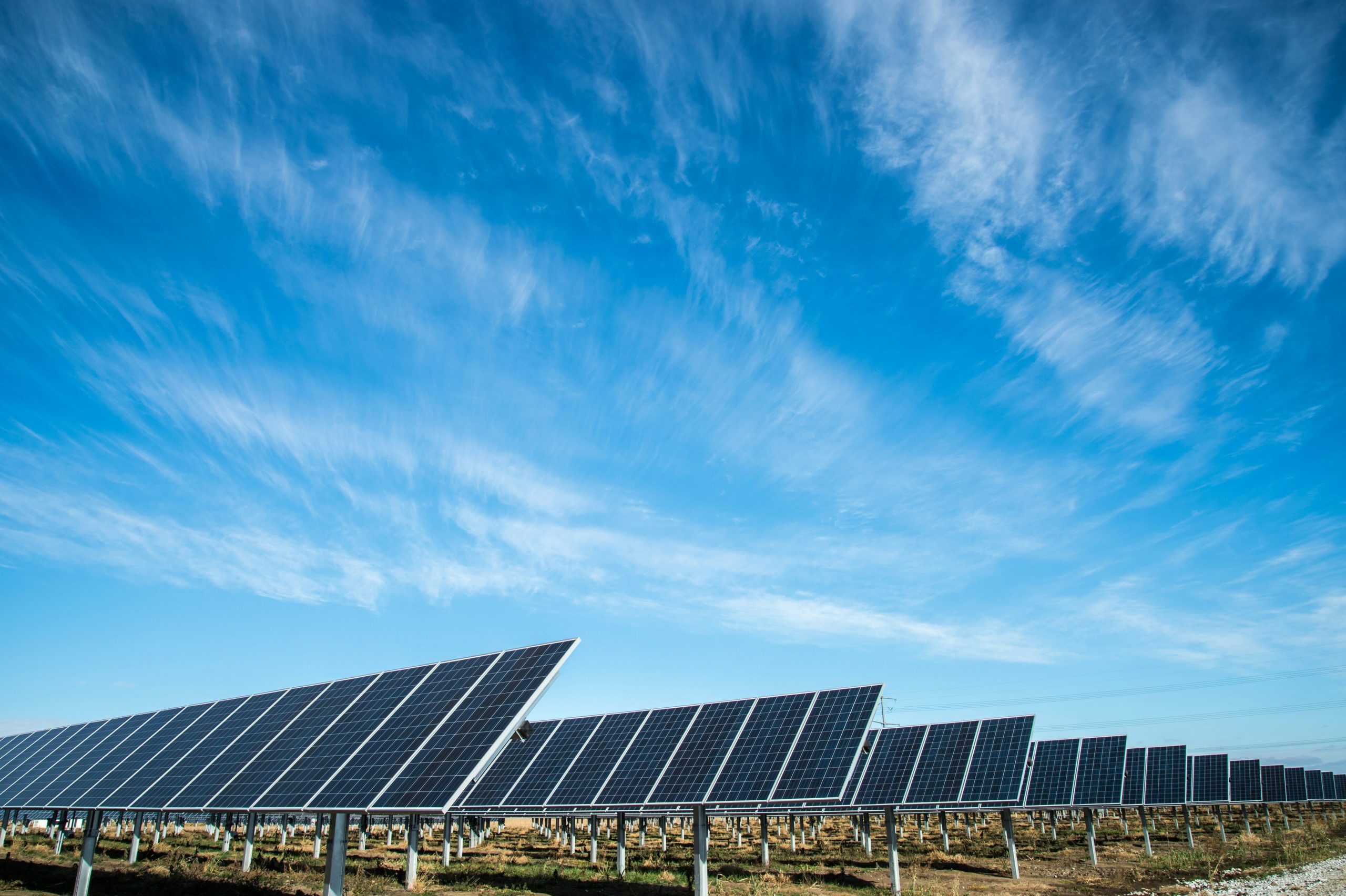
- Renewable energy
- Smart transportation
- Advanced weather monitoring
Let Nature Help
Sometimes the best technology is nature itself.
Trees provide shade and can help reduce urban heat.
Wetlands can absorb water.
Green spaces can help manage stormwater.
Engineers are increasingly combining natural systems with traditional infrastructure.
This approach is sometimes called green infrastructure.
The Smart City
Sensors can provide another layer of protection.
Imagine sensors monitoring:
- Water levels
- Temperature
- Air quality
- Traffic
- Energy use
- Weather conditions
Computer systems could analyze the information and help city officials respond.
Baltimore’s STEM Opportunity
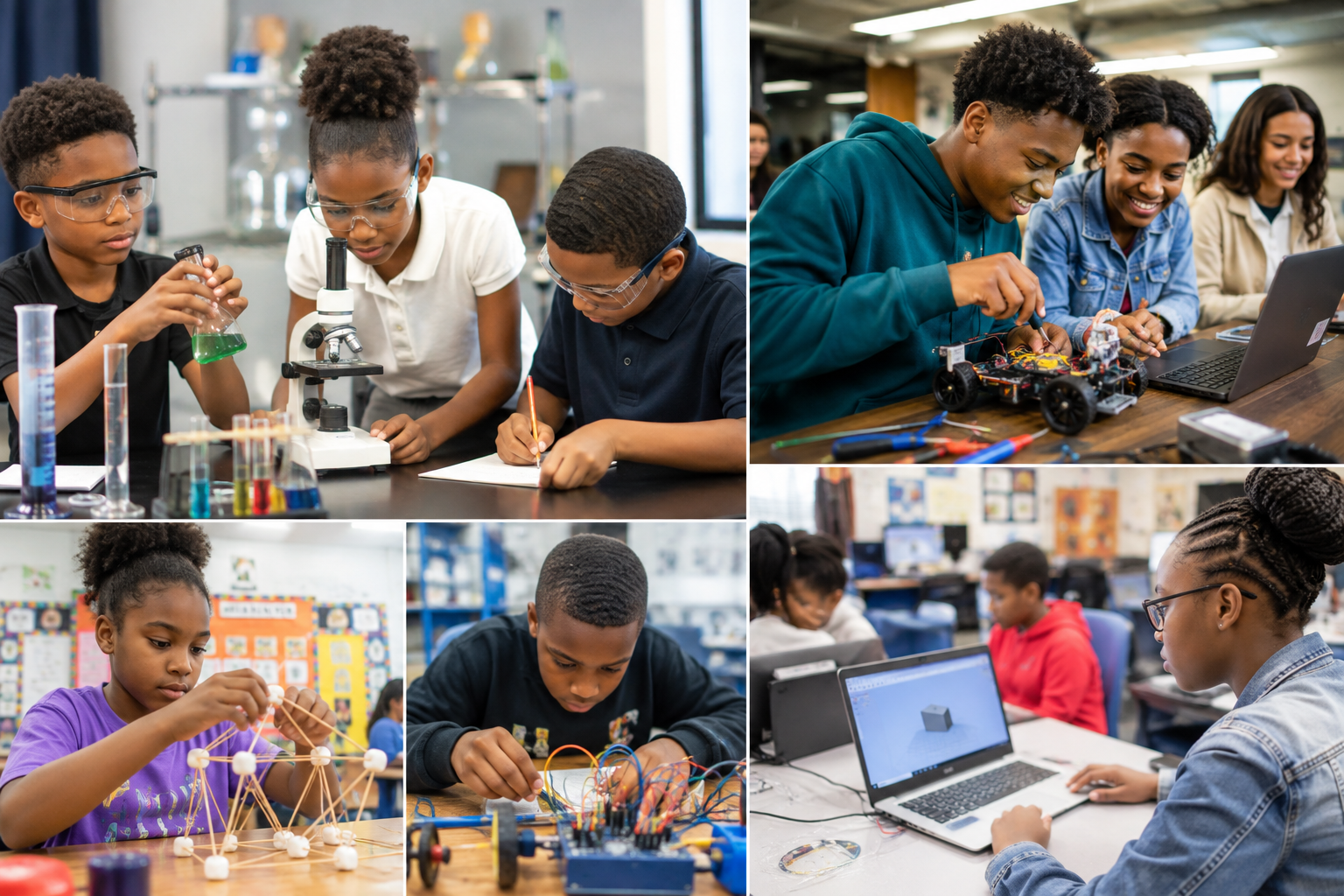
Cities such as Baltimore provide excellent real-world laboratories for students.
Students can investigate:
How can we make Baltimore cooler, greener, safer, and more resilient?
That could lead to science projects, engineering designs, community research, and even new businesses.
STEM Challenge
Design a Climate-Proof Neighborhood.
Your design must include:
- One renewable energy source
- Three types of green infrastructure
- A flood-control solution
- A transportation solution
- A way to reduce heat
Future Careers
Climate technology could create opportunities for:
- Environmental engineers
- Climate scientists
- Urban planners
- Renewable energy engineers
- Water engineers
- Sustainability specialists
STEM Nastics Takeaway:
The city of the future won’t simply be smarter.
It will need to be stronger, greener, healthier, and more prepared.