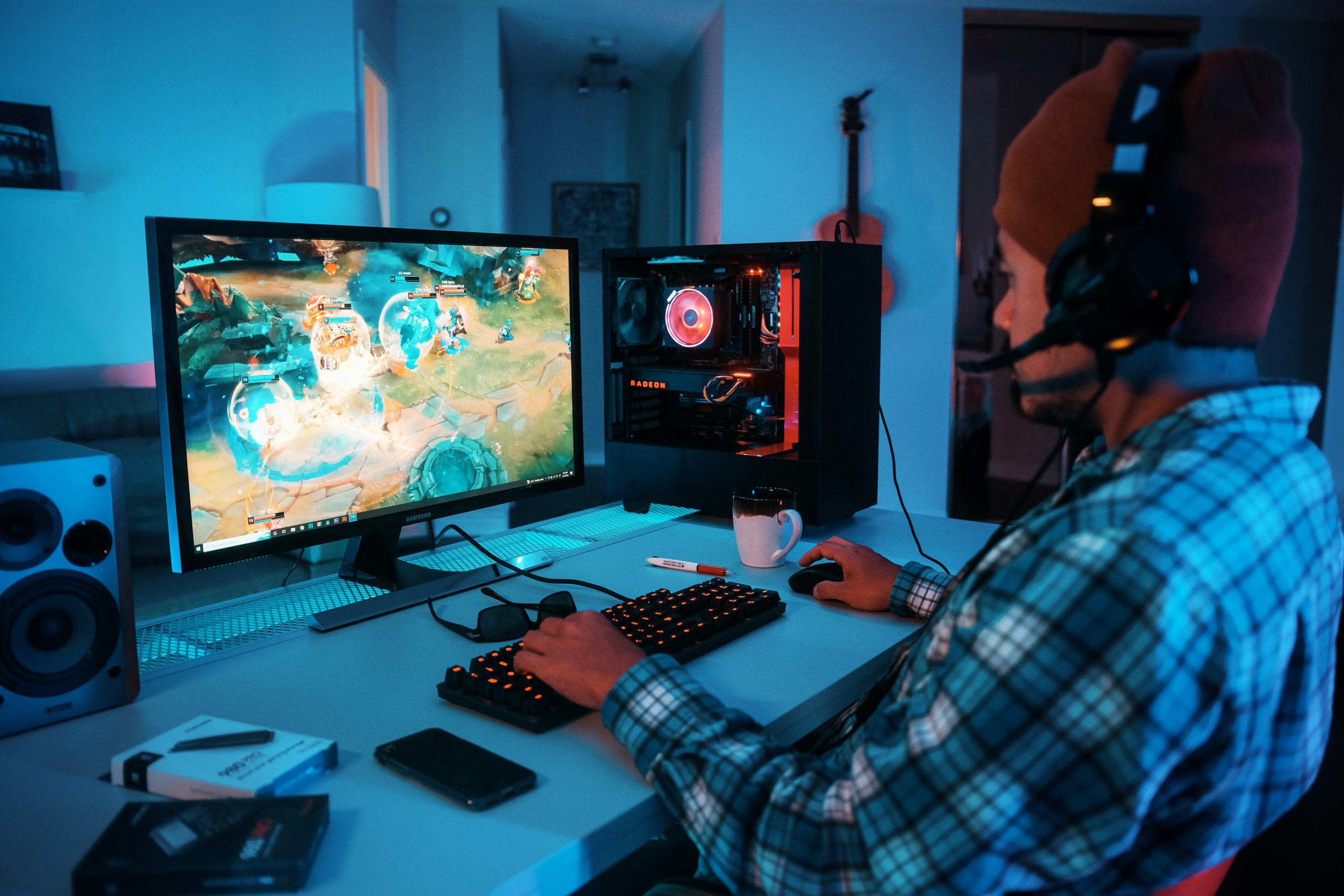
For many young people, gaming is entertainment.
But games can also become laboratories for learning.
Behind every modern video game are mathematics, computer science, physics, art, storytelling, artificial intelligence, sound engineering, and design.
That means creating a game can become a serious STEM experience.
Physics Inside a Game
Why does a character jump?
Why does a ball bounce?
Why does a vehicle accelerate?
Game developers use physics and mathematics to create believable movement.
Even a simple racing game requires calculations involving speed, acceleration, distance, friction, and collision.
Coding the World
A video game is essentially a complex set of instructions.
Programmers tell computers what should happen when players press buttons, move characters, encounter objects, or complete challenges.
Students learning programming can begin creating their own games with beginner-friendly development tools.
Artificial Intelligence in Games
AI can control non-player characters.
A game character might:
- Follow the player
- Search for objects
- Avoid obstacles
- Work with other characters
- Respond differently depending on the player’s actions
That makes game development an exciting introduction to AI.
Games Can Teach
Imagine a game where students must:
- Build a sustainable city
- Manage water
- Explore space
- Solve chemistry puzzles
- Program robots
- Restore an ecosystem
Instead of simply answering questions, students learn by making decisions.
STEM Challenge
Build a Learning Game
Create a game concept that teaches one subject.
Choose:
- Science
- Mathematics
- Engineering
- Environmental science
- Computer science
Then design:
Title + Objective + Characters + Rules + STEM lesson
Future Careers
The gaming industry needs:
- Programmers
- Game designers
- AI engineers
- 3D artists
- Sound engineers
- Writers
- Cybersecurity specialists
- Project managers
STEM Nastics Takeaway:
Don’t just ask:
“What game do you want to play?”
Ask:
“What game do you want to create?”