Technology is no longer limited to computers, phones, and tablets
Technology is no longer limited to computers, phones, and tablets.
Today, small electronic devices can be worn on wrists, attached to clothing, or incorporated into specialized equipment.
These devices can measure movement, track activity, record environmental information, and in some cases monitor physiological signals.
Welcome to wearable technology.
Small Devices, Big Engineering
A smartwatch combines several technologies in a compact package.
Depending on the model, it may contain:
- Motion sensors
- Optical sensors
- A processor
- Wireless communication
- A battery
- A display
- Software for analyzing data
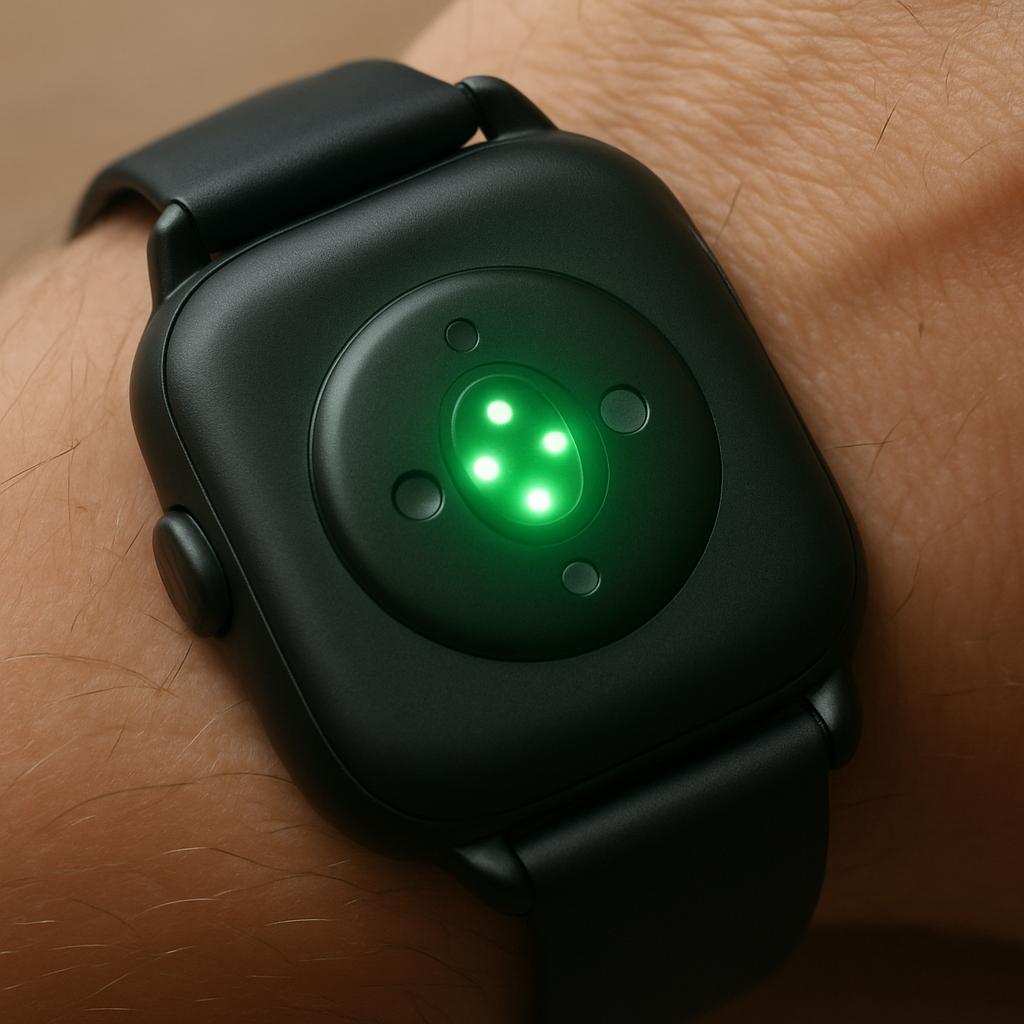
An accelerometer can measure changes in movement. A gyroscope can help measure rotation and orientation. Optical sensors can estimate certain physiological measurements, depending on their design.
All of these components must work together while using limited power and fitting comfortably on the body.
Can Wearables Improve Health?
Some wearable devices can provide useful information about activity, sleep patterns, heart rate, or other measurements.
Certain devices have medical clearances or approvals for specific functions. Others are designed mainly for general wellness.
Wearable readings are not always accurate, and they do not automatically provide a diagnosis. Medical concerns should be discussed with a qualified healthcare professional.
The Privacy Challenge
Wearables can collect sensitive personal information.
Who can access that data? How long is it stored? Is it shared with other companies?
Engineers and designers must consider privacy and security alongside functionality.
Good design includes giving users understandable choices about data collection and sharing.
The Future of Wearables
Researchers are developing flexible electronics, smart fabrics, improved sensors, and devices that may help people communicate or interact with technology in new ways.
Wearable systems could become useful in sports, occupational safety, rehabilitation, accessibility, and environmental monitoring.
STEM Careers to Watch
- Electrical engineer
- Biomedical engineer
- Embedded systems developer
- Wearable product designer
- Sensor specialist
- Human-computer interaction researcher
Student STEM Challenge
Invent a wearable device that solves a real problem.
Perhaps it helps a cyclist become more visible, alerts a worker to an environmental hazard, or helps a student organize daily tasks.
Describe the sensors, battery, software, and privacy safeguards your invention would need.
STEM Nastics takeaway: The next major technology breakthrough might be something people wear rather than something they carry.