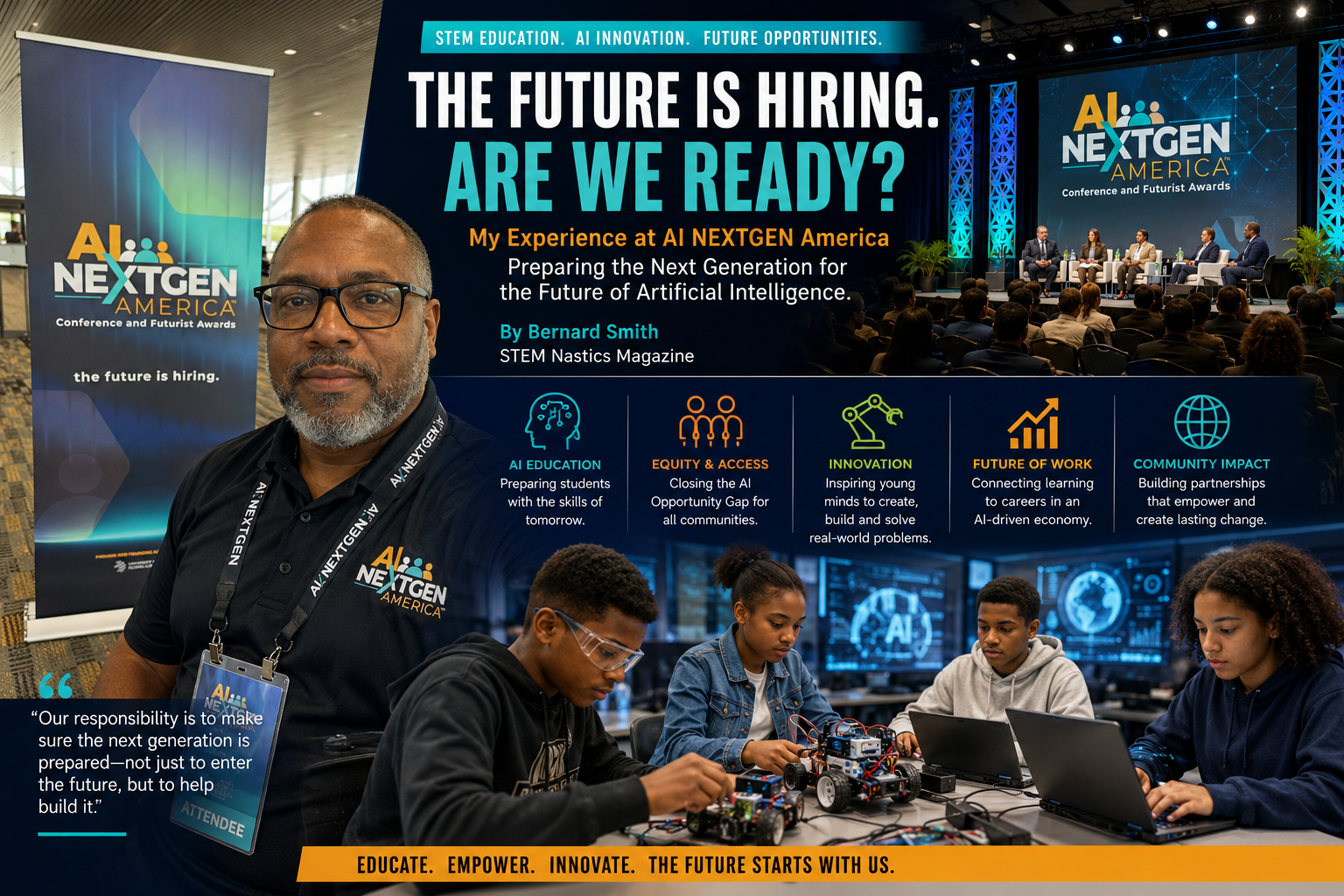
The Future Is Hiring. Are We Ready?
On October 9, 2026, I had the opportunity to attend the AI NEXTGEN America Conference and Futurist Awards in Baltimore, Maryland. As someone who is passionate about STEM education, artificial intelligence, and expanding opportunities for underserved communities, I saw this conference as an important opportunity to explore how AI is changing our world and what we must do to prepare the next generation.
The conference’s message, “The Future Is Hiring,” immediately caught my attention. To me, this statement represents more than the future of employment. It raises a fundamental question: Are we preparing our children, students, and communities with the knowledge and skills they will need to succeed in an AI-driven world?
That is a question we must begin answering today.
As I reflect on the importance of this conference, I believe STEM education must become a national priority. Artificial intelligence is transforming industries, changing how businesses operate, and creating new possibilities in science, engineering, healthcare, education, robotics, and entrepreneurship. Our education system must evolve alongside these changes.
Why AI Education Matters
One of the biggest challenges facing America is ensuring that students have opportunities to learn about artificial intelligence before they enter the workforce.
For too long, access to advanced technology education has depended heavily on where students live, the resources available at their schools, and their families’ financial circumstances. I believe we must work to change that.
Every student, regardless of background or income, deserves an opportunity to explore STEM subjects and understand how artificial intelligence works.
We cannot afford to prepare some students to become future technology leaders while leaving others without the basic knowledge needed to participate in the digital economy.
AI education should not be reserved for students who already have access to advanced computers, specialized programs, or expensive technology camps. We must bring these learning opportunities into classrooms, libraries, community centers, and neighborhoods.
This is one of the reasons I believe organizations, educators, community leaders, and technology companies must work together to expand access to AI education.
From Technology Users to Technology Creators
As I consider the future of STEM education, I believe we must move beyond teaching students simply how to use technology. We must also teach them how to create with it.
There is a significant difference between using an AI tool to complete a task and understanding how to use technology to solve problems, develop new ideas, and build innovative products.
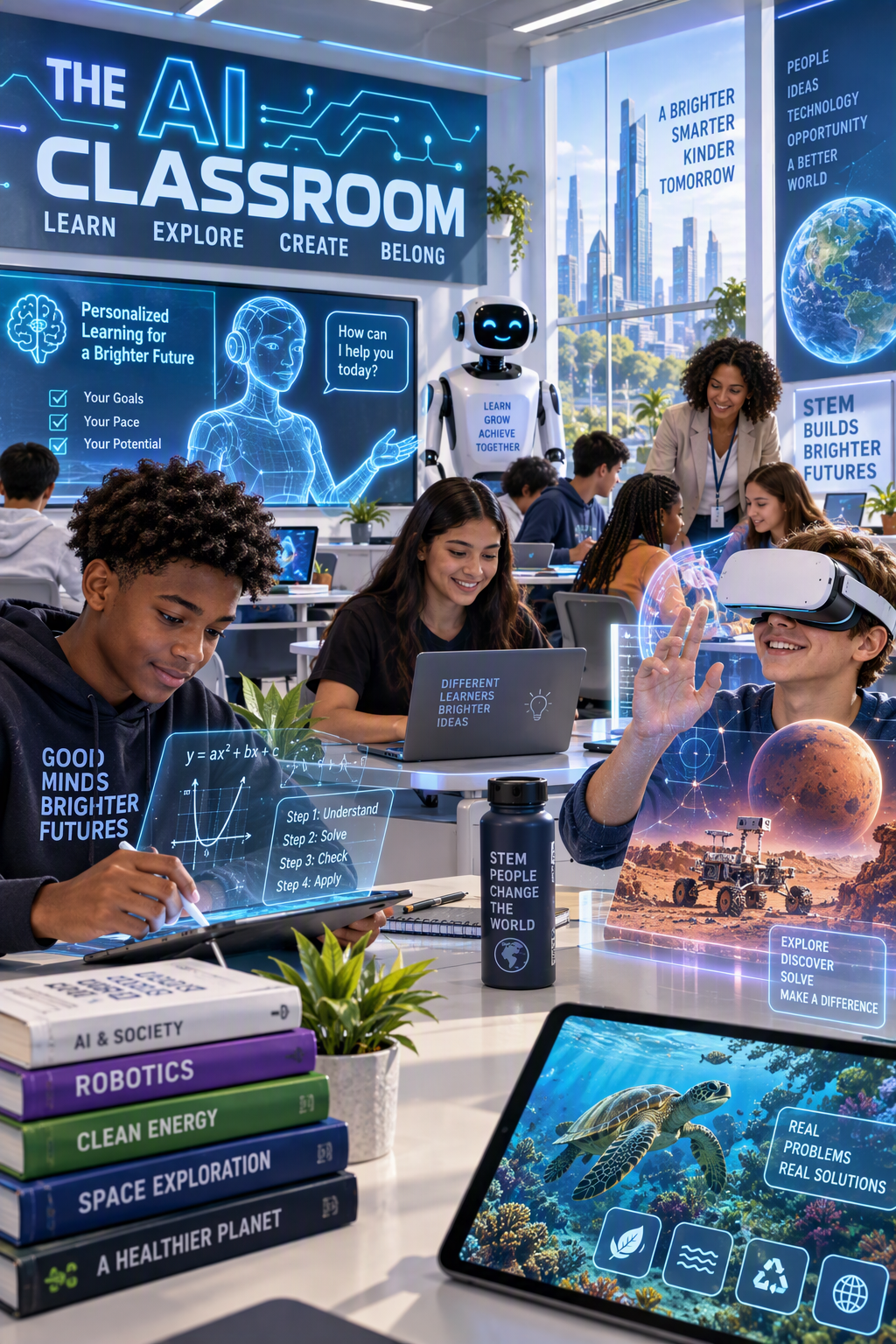
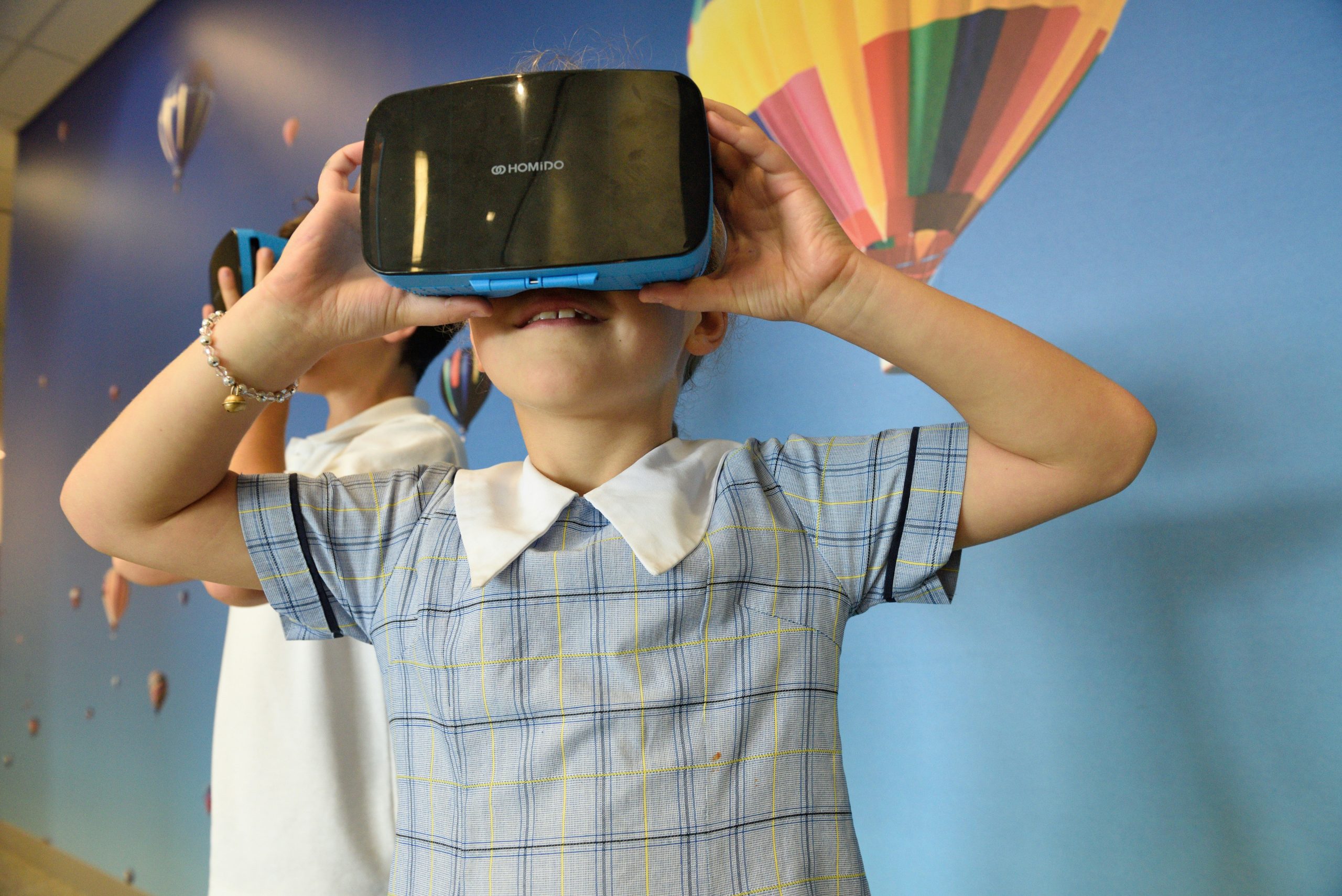
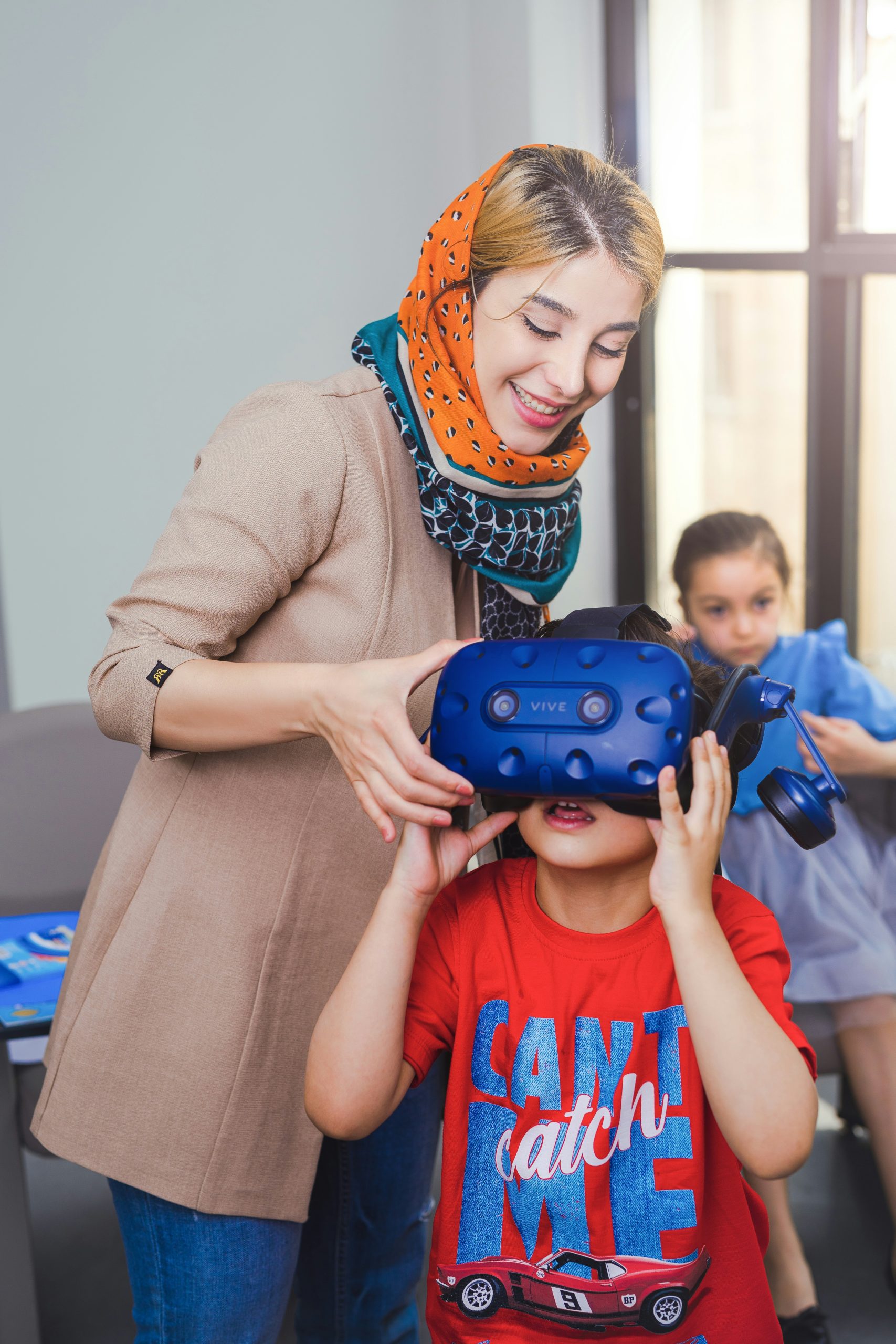
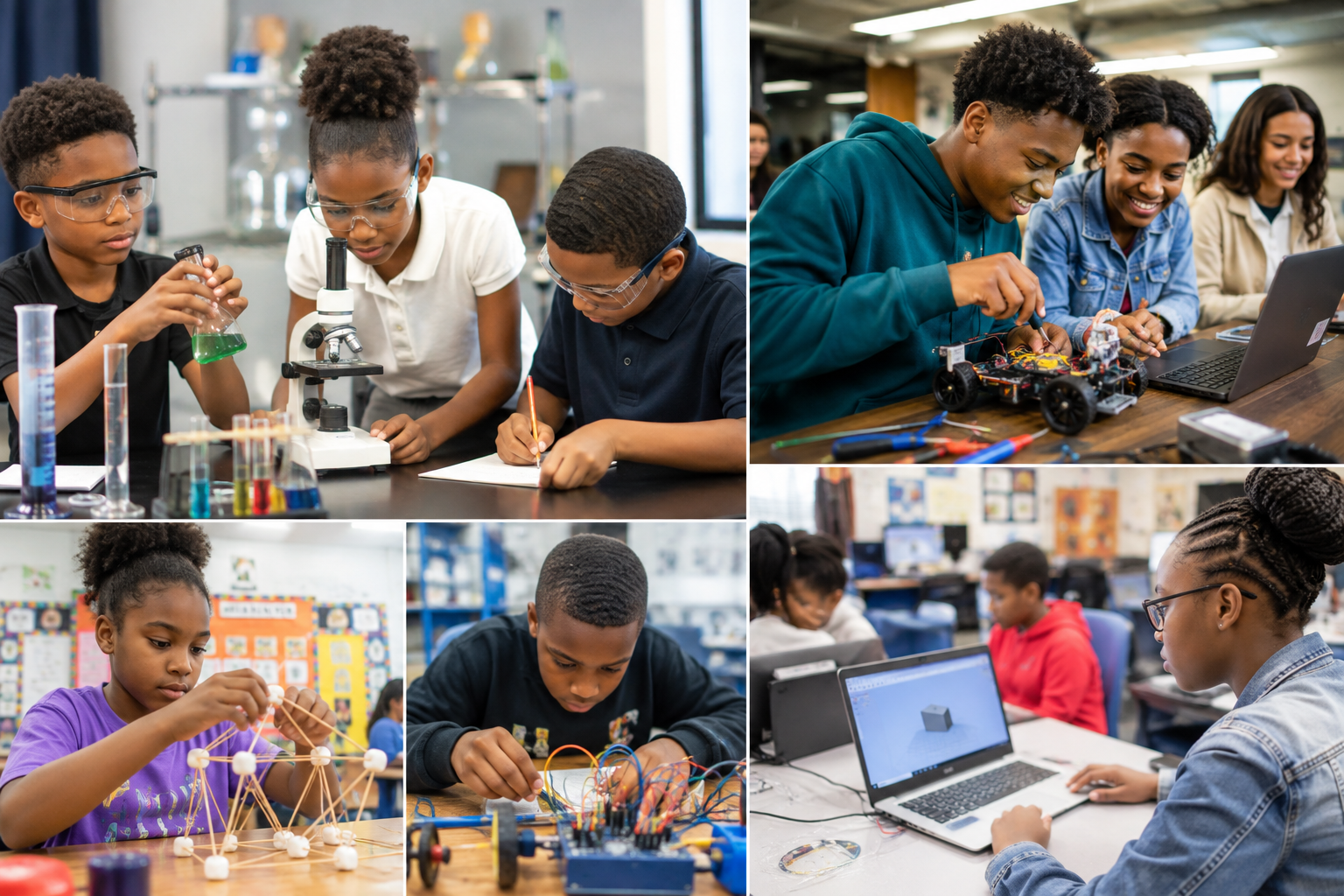
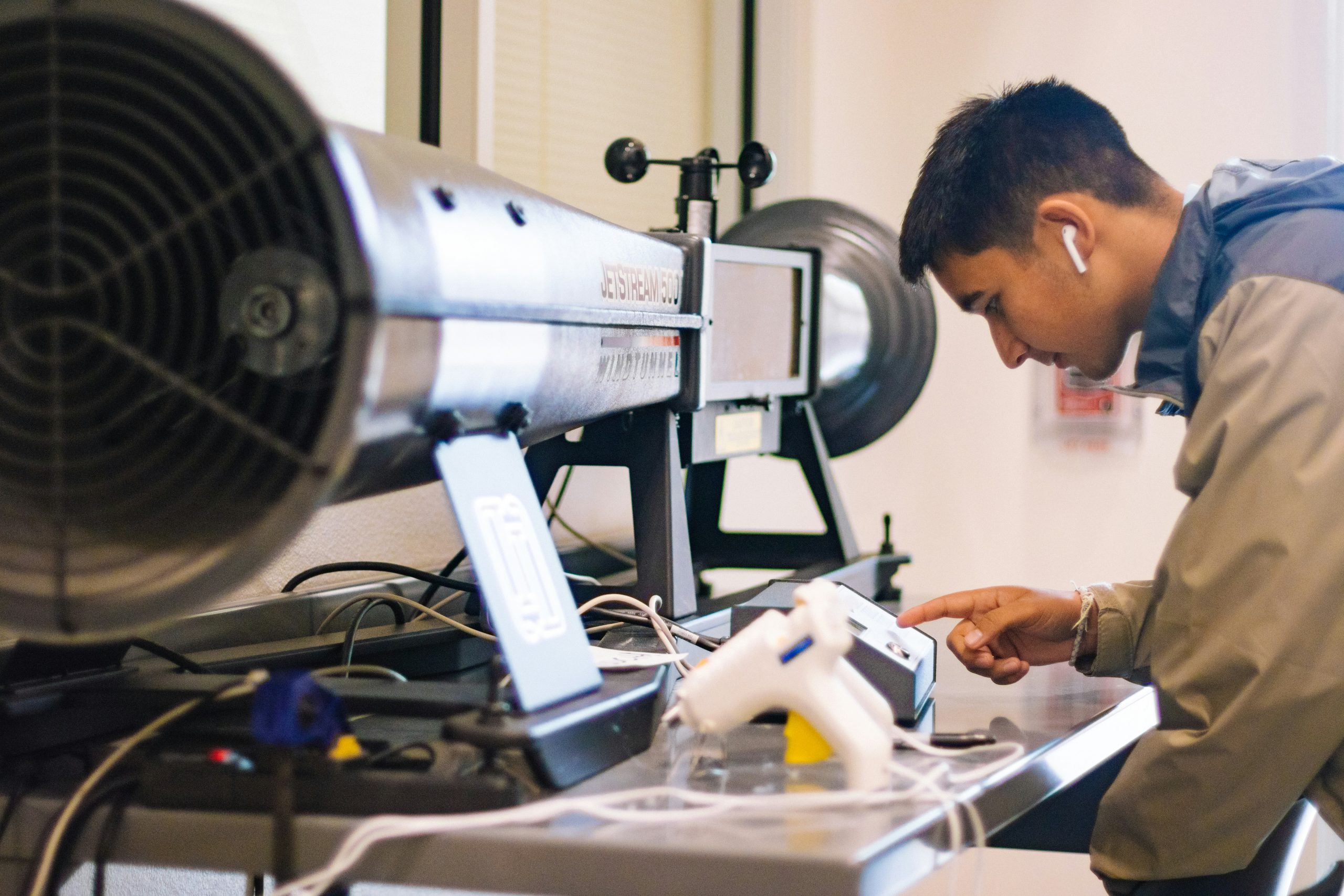
Imagine students learning to design robots, develop AI-powered applications, create educational games, explore space technology, or develop solutions to problems affecting their own communities.
These experiences can help young people see themselves not just as consumers of technology but as future scientists, engineers, inventors, entrepreneurs, and technology leaders.
I believe this is where STEM education must go.
We should introduce students to AI concepts early, encourage experimentation, and help them understand the relationship between science, technology, engineering, arts, and mathematics. We must also teach responsible AI use, critical thinking, privacy, and the importance of checking AI-generated information for accuracy.
Our goal should be to prepare students not only for jobs that exist today but also for careers that may emerge in the years ahead.
Closing the AI Opportunity Gap
Another issue that deserves our attention is what I call the AI Opportunity Gap.
As artificial intelligence becomes more important to education and employment, we must ask whether everyone will have a fair chance to benefit from this technological revolution.
Low-income families, underserved communities, and adults who have not had opportunities to learn about emerging technologies need access to training and educational resources.
This challenge extends beyond our schools. Adults need opportunities to develop new skills, workers need support as industries change, and older adults should have opportunities to understand how AI can help them in everyday life.
I believe community organizations can play an important role in addressing this challenge.
Through the AI Empowerment Network, for example, there is an opportunity to develop accessible AI education programs for young people, teenagers, adults, and seniors. Community-based workshops could introduce participants to AI tools, digital literacy, entrepreneurship, and the practical applications of emerging technologies.
We must make AI education accessible, understandable, and relevant to people’s lives.
The future of artificial intelligence should not be determined by who can afford the most expensive education. It should be shaped by how effectively we expand opportunities for people to learn and participate.
The Importance of STEM Education in Our Communities
My experience attending this conference reinforced my interest in finding ways to connect STEM education with the needs of our communities.
In Baltimore and across the country, we need stronger partnerships among schools, colleges, nonprofits, businesses, libraries, and community organizations.
These partnerships could support robotics clubs, AI workshops, coding programs, technology mentorship, STEM career days, and hands-on learning activities.
I also believe we should explore affordable STEM learning kits that students can use at home, in after-school programs, and in community centers. Not every family has access to a fully equipped laboratory, but students can still begin learning through accessible projects and guided activities.
STEM education should inspire curiosity. It should encourage students to ask questions, investigate problems, test ideas, and discover what they can accomplish.
When we give young people the tools and encouragement to explore technology, we help them imagine possibilities beyond their current circumstances.
What I Believe We Must Do Next
After reflecting on the importance of AI NEXTGEN America, I believe there are several steps we should take to prepare the next generation.
First, introduce AI education earlier. Students should begin learning age-appropriate AI concepts alongside science, mathematics, computer literacy, and other foundational subjects.
Second, invest in teachers and educators. Teachers need training, resources, and practical guidance to introduce AI responsibly into the classroom.
Third, expand community access. Schools should not be the only places where people can learn about AI. Libraries, nonprofits, community associations, and workforce development programs can help extend these opportunities.
Fourth, connect education to careers. Students should have opportunities to meet STEM professionals, explore career pathways, participate in mentorship programs, and gain hands-on experience.
Fifth, encourage technology entrepreneurship. Young people and adults should learn how AI can help them develop ideas, create services, solve problems, and build businesses.
Finally, make opportunity a priority. We must ensure that underserved communities are included in the planning, funding, and delivery of AI education programs.
My Final Thoughts: The Future Starts With Education
Attending AI NEXTGEN America gave me another opportunity to reflect on the relationship between artificial intelligence, education, employment, and opportunity.
For me, the central issue is not simply how quickly AI will advance. It is whether we will prepare people to understand it, use it responsibly, and help shape its future.
We are entering a period of significant technological change. The decisions we make about education today will influence the opportunities available to the next generation.
I believe STEM education must become a bridge between today’s students and tomorrow’s possibilities. Artificial intelligence should help open doors, encourage innovation, and give more people the opportunity to participate in the future economy.
As we continue this conversation, I encourage parents, educators, policymakers, community leaders, and technology professionals to work together to make AI education more accessible.
The future is hiring. Our responsibility is to make sure the next generation is prepared—not just to enter that future, but to help build it.