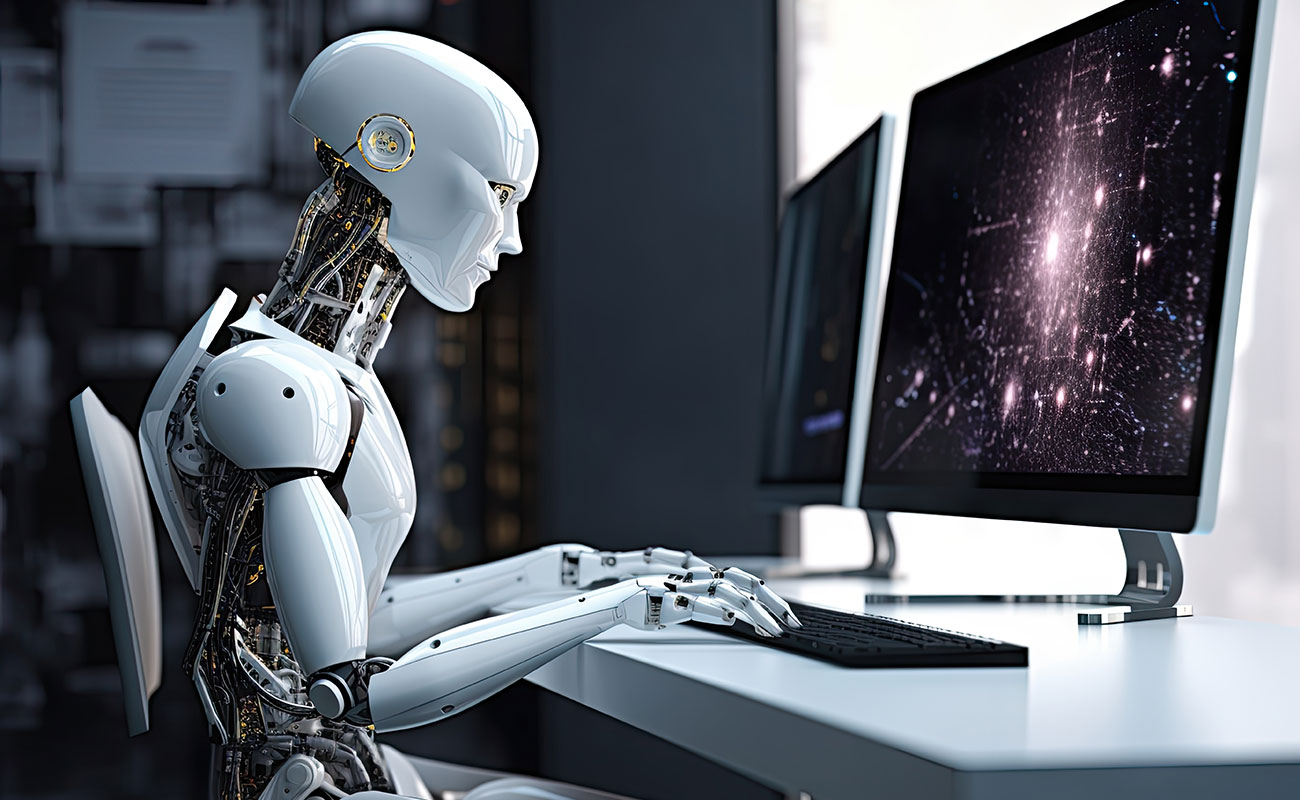
For decades, robots were machines that followed instructions.
A factory robot might move an object from one location to another. A robotic arm might weld two pieces of metal together. A simple robot could follow a line painted on the floor.
But a new generation of machines is changing that definition.
Today’s robots can combine sensors, cameras, software, artificial intelligence, machine learning, and mechanical systems to understand their surroundings and respond to changing conditions.
Instead of simply asking, “What was I programmed to do?” these systems can increasingly ask, in effect, “What is happening around me, and what should I do next?”
From Machines to Intelligent Systems
Imagine a robot working in a warehouse.
A traditional machine might be programmed to travel along a specific route. But what happens if a box falls into its path?
An intelligent robot can use cameras and sensors to detect the obstacle. Software can analyze the information and determine whether the robot should stop, go around the object, or choose another route.
This combination of physical machines and artificial intelligence is helping create a new field of technology.
Robots in Healthcare
Robotics could also transform healthcare.
Robotic systems can assist surgeons, transport supplies through hospitals, help people with disabilities, and support rehabilitation.
Researchers are also exploring robots that can interact with people more naturally.
The goal isn’t necessarily to replace humans.
In many cases, it is to help humans do things better, faster, safer, or more accurately.
Robots in Dangerous Places
Robots can also go where people shouldn’t.
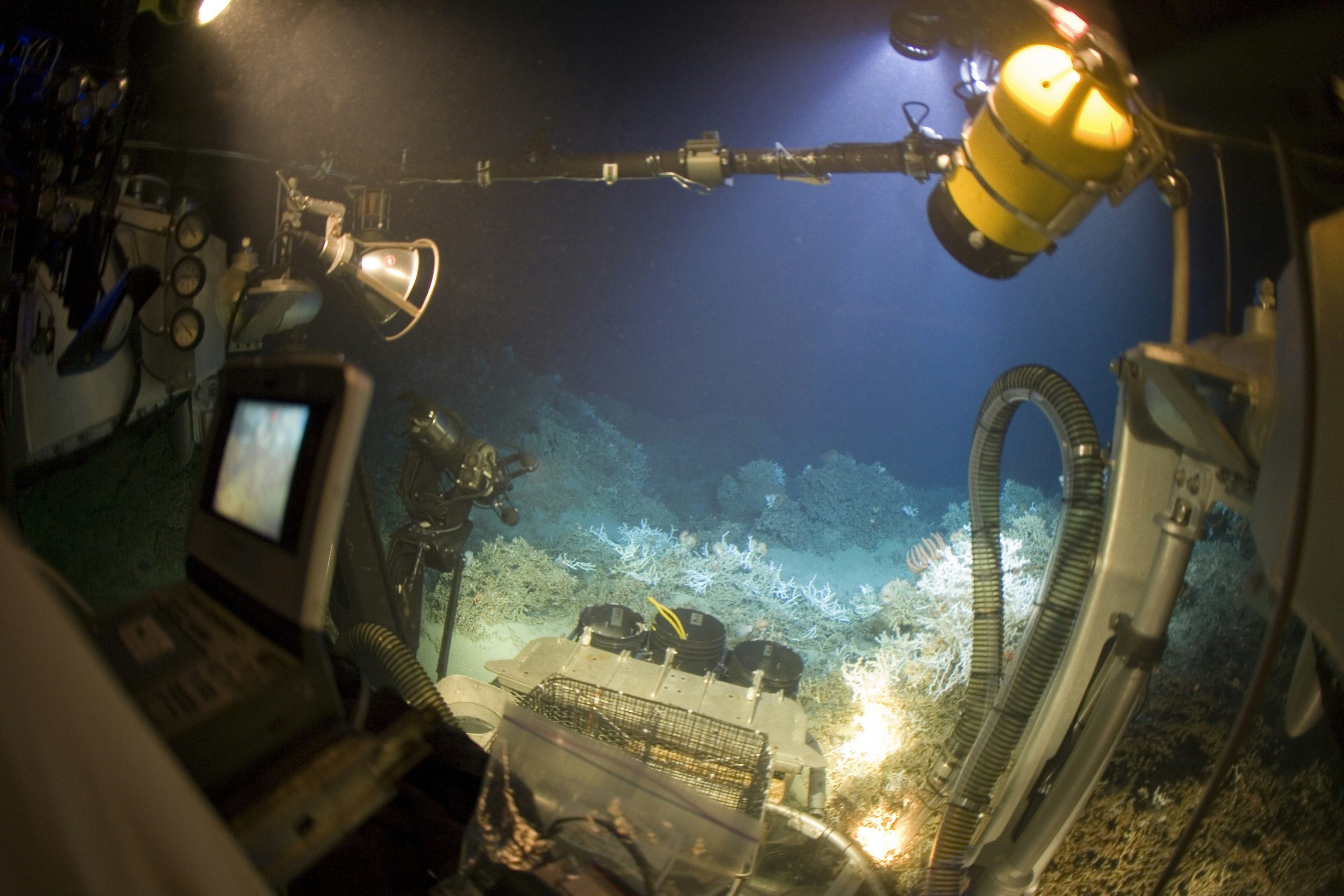
Imagine exploring a damaged nuclear facility, searching through a collapsed building, investigating the ocean floor, or traveling across another planet.
A robot could collect information while keeping humans out of dangerous environments.
The Robotics Engineer of Tomorrow
Building intelligent robots requires many STEM disciplines.
A robotics team might include:
- Mechanical engineers
- Electrical engineers
- Software developers
- AI researchers
- Computer scientists
- Data scientists
- Designers
- Safety specialists
The most exciting part?
A student learning mathematics, physics, coding, or electronics today could help build tomorrow’s robots.
STEM Challenge
Design a Robot for Your Community
Think of a problem in your neighborhood.
Could a robot help?
Draw your robot and explain:
- What problem does it solve?
- What sensors does it use?
- How does it move?
- How does AI help it?
- How would your robot make people’s lives better?
Future Career
Robotics Engineer
Robotics engineers design, build, test, and improve robotic systems.
STEM Nastics Takeaway:
The future of robotics isn’t just about building machines.
It’s about building machines that can understand, adapt, and help.