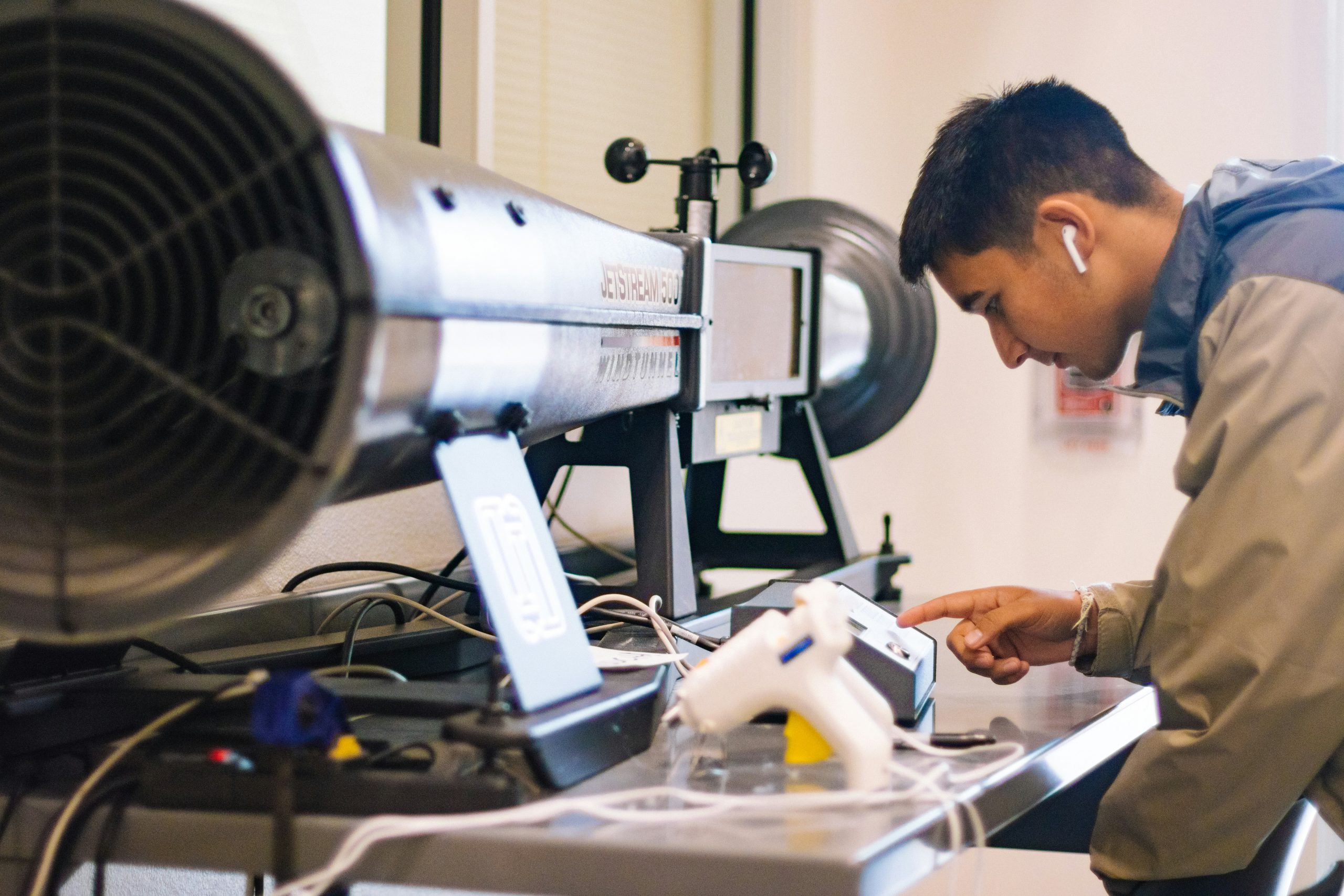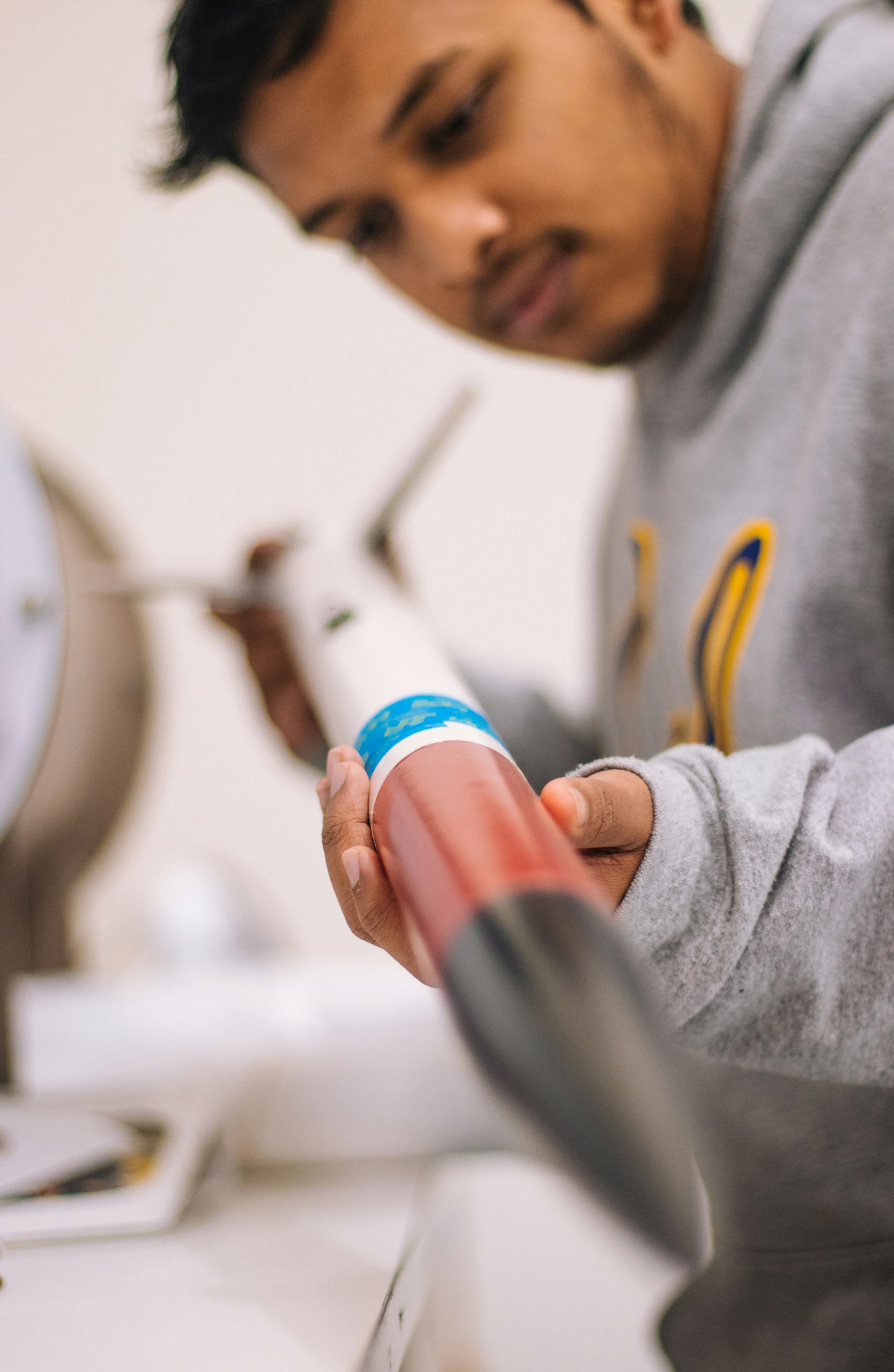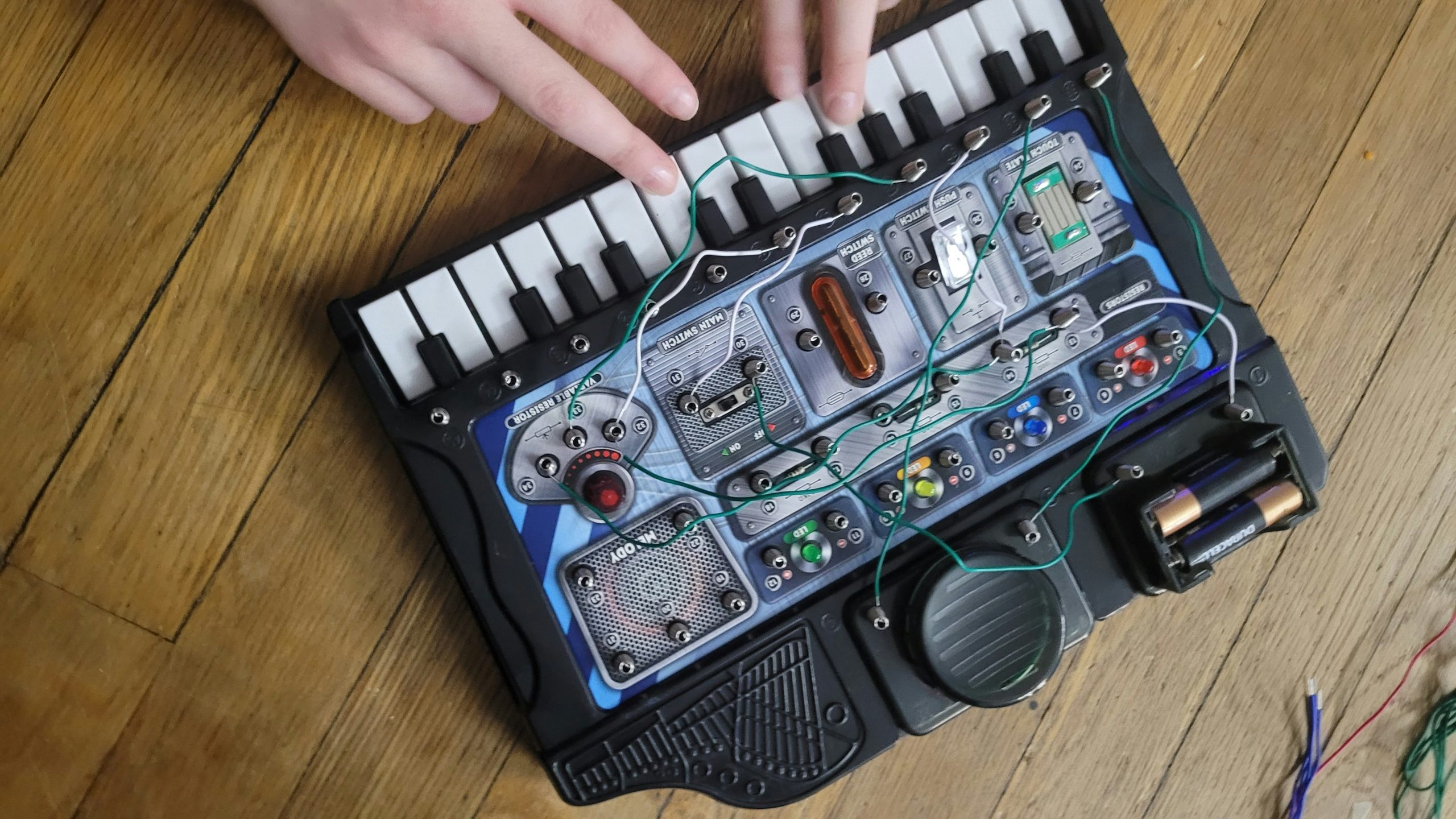
Every invention begins somewhere.
Sometimes it starts with a problem.
Sometimes it begins with curiosity.
Sometimes someone simply asks:
“What if?”
That question can lead to an invention.
The Inventor’s Mindset
Inventors notice things.
Maybe a backpack is uncomfortable.
Maybe a classroom wastes electricity.
Maybe older adults have difficulty using a particular device.
Maybe a community has trouble accessing information.
Instead of accepting the problem, an inventor asks:
Can I build something better?
Prototype First
You don’t need a million-dollar laboratory to begin.
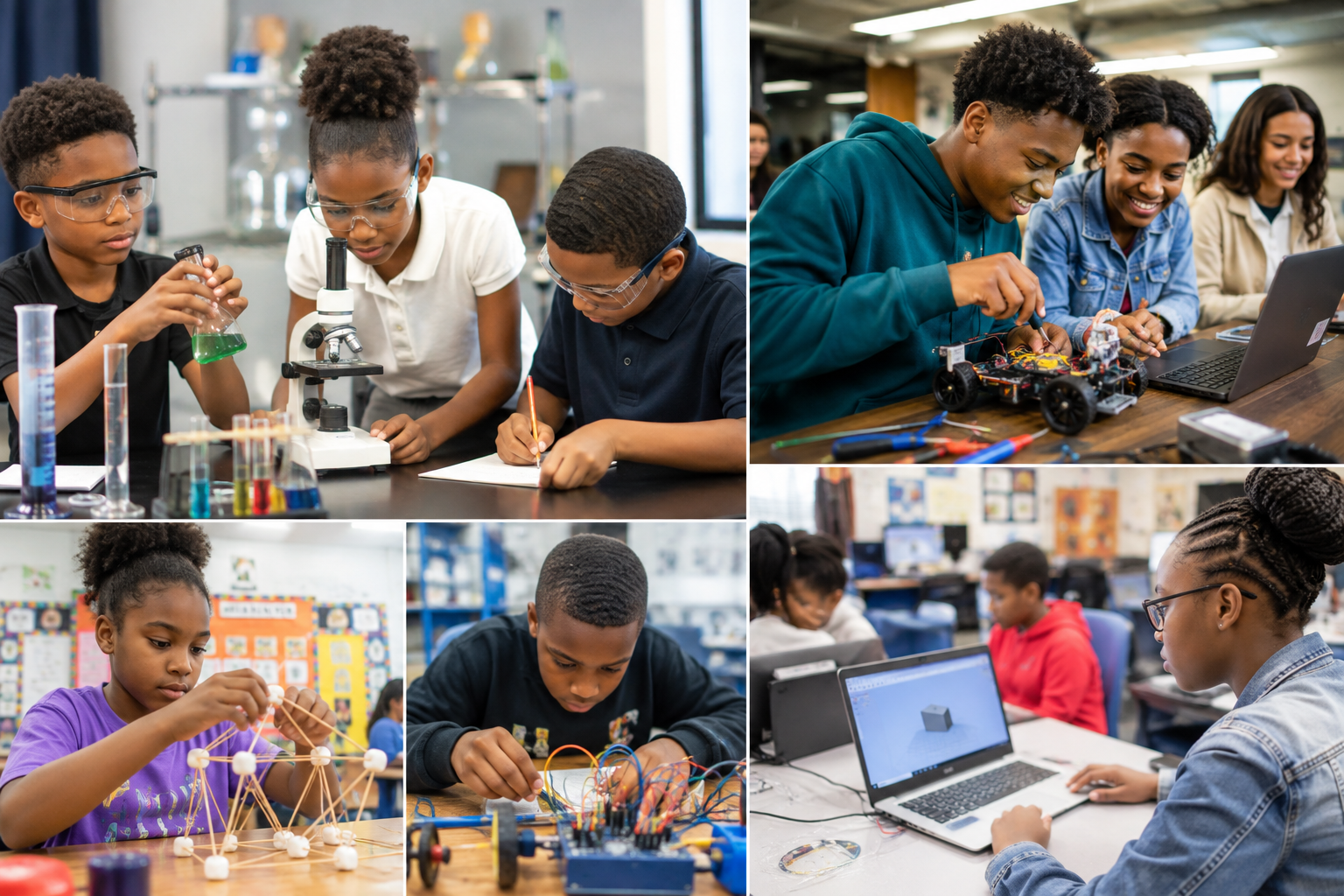
A prototype could be made from:
- Cardboard
- Tape
- LEGO
- Recycled materials
- Electronics kits
- 3D printing
- Software simulations
The first version probably won’t be perfect.
That’s okay.
Test. Learn. Improve.
Innovation requires experimentation.
Build it.
Test it.
Find the problem.
Change it.
Test it again.
That’s how many successful technologies evolve.
The Innovation Hub Challenge
Imagine STEM Nastics is giving you $1,000 to build an invention.
What would you create?
Your proposal must explain:
Problem → Idea → Prototype → Testing → Improvement → Impact
Future Inventor
Your invention doesn’t have to change the entire world.
It could change one classroom.
One neighborhood.
One hospital.
One family.
Sometimes big innovations begin with small problems.
STEM Nastics Takeaway:
Don’t wait for someone else to invent the future.
Start building.