Look up at the night sky.
That bright object above you is more than a beautiful sight.
The Moon could become an important destination for the next generation of explorers.
Scientists, engineers, space agencies, and private companies are developing technologies designed to return humans to the lunar surface and establish increasingly sophisticated operations there.
But living on the Moon will be very different from visiting it.
A World Without Air
The Moon doesn’t have an atmosphere like Earth.
Astronauts therefore need spacesuits and pressurized habitats.
A future lunar settlement could include living quarters, laboratories, power systems, communication equipment, robotic vehicles, and systems that recycle water and air.
Every kilogram transported from Earth is expensive.
That creates an enormous engineering challenge.
Can We Use Lunar Resources?
Scientists are especially interested in lunar resources.
Water ice may exist in permanently shadowed regions near the Moon’s poles.
If usable water can be extracted, it could potentially support astronauts and be separated into hydrogen and oxygen.
Those materials could have important applications for life support and spacecraft propulsion.
That means future explorers may not have to bring everything from Earth.
Robots First
Before humans establish permanent bases, robots could do much of the preparation.
Robotic machines could:
- Map the surface
- Search for resources
- Transport equipment
- Build structures
- Prepare landing areas
- Conduct scientific experiments
Robots could become the construction workers of the early lunar economy.
What Would a Moon City Look Like?
Imagine waking up inside a lunar habitat.
Instead of opening a window, you look at Earth through a reinforced viewing area.
Outside, robotic vehicles move across the surface.
Inside, scientists conduct experiments.
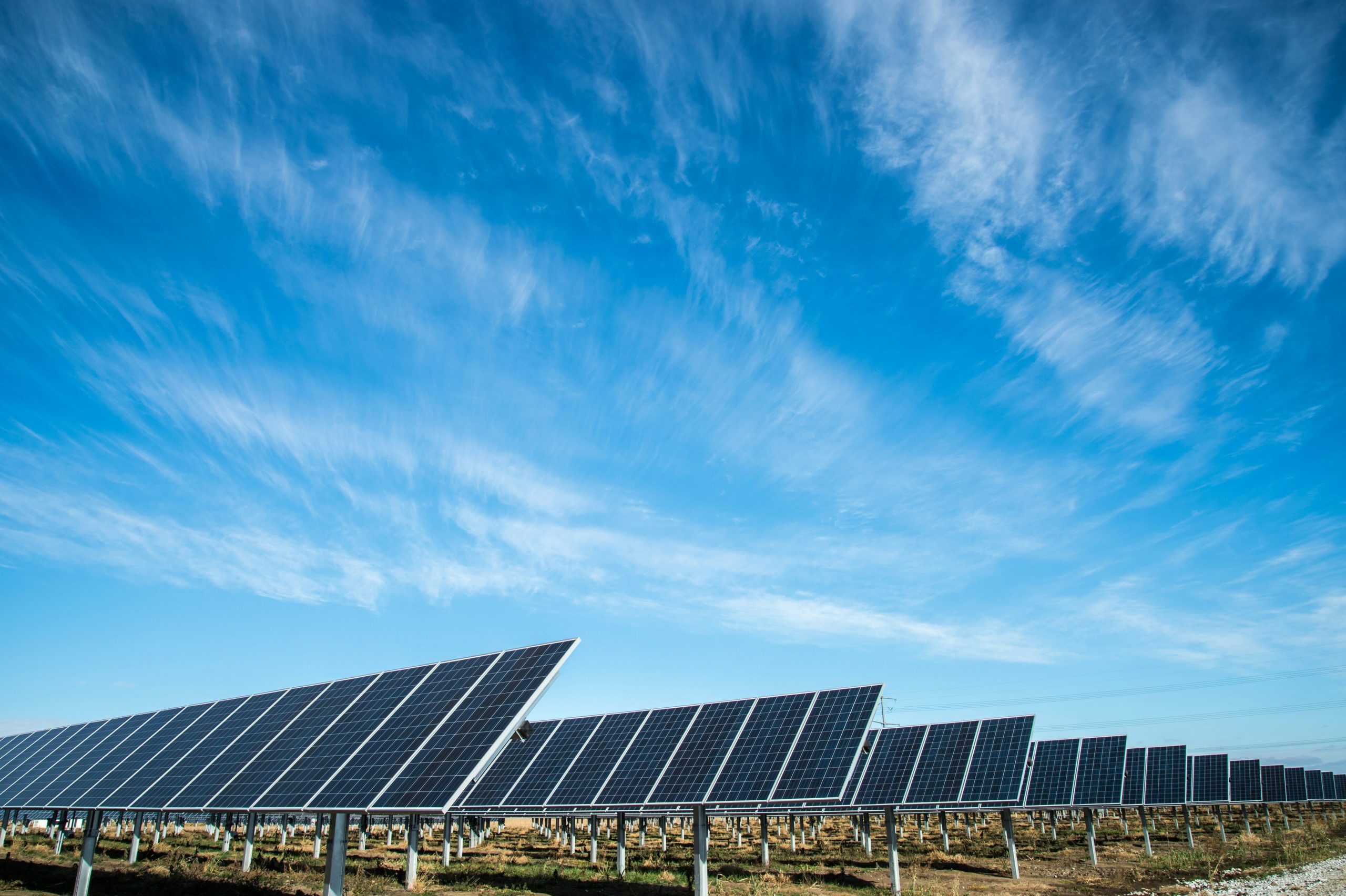
Solar panels generate electricity.
Computers monitor oxygen, temperature, radiation, and water supplies.
It might sound like science fiction.
But many of the technologies required are already being developed.
STEM Challenge
Build a Lunar Base
Create a design for a Moon settlement.
Include:
- Housing
- Power
- Water
- Food
- Communications
- Transportation
- Science laboratories
- Emergency systems
Then answer one question:
How will your astronauts survive if they cannot receive supplies from Earth for six months?
Future Careers
- Aerospace engineer
- Planetary scientist
- Astronaut
- Space architect
- Robotics engineer
- Space systems engineer
STEM Nastics Takeaway:
The next great space city may not begin with skyscrapers.
It may begin with a robot, a solar panel, and a handful of en