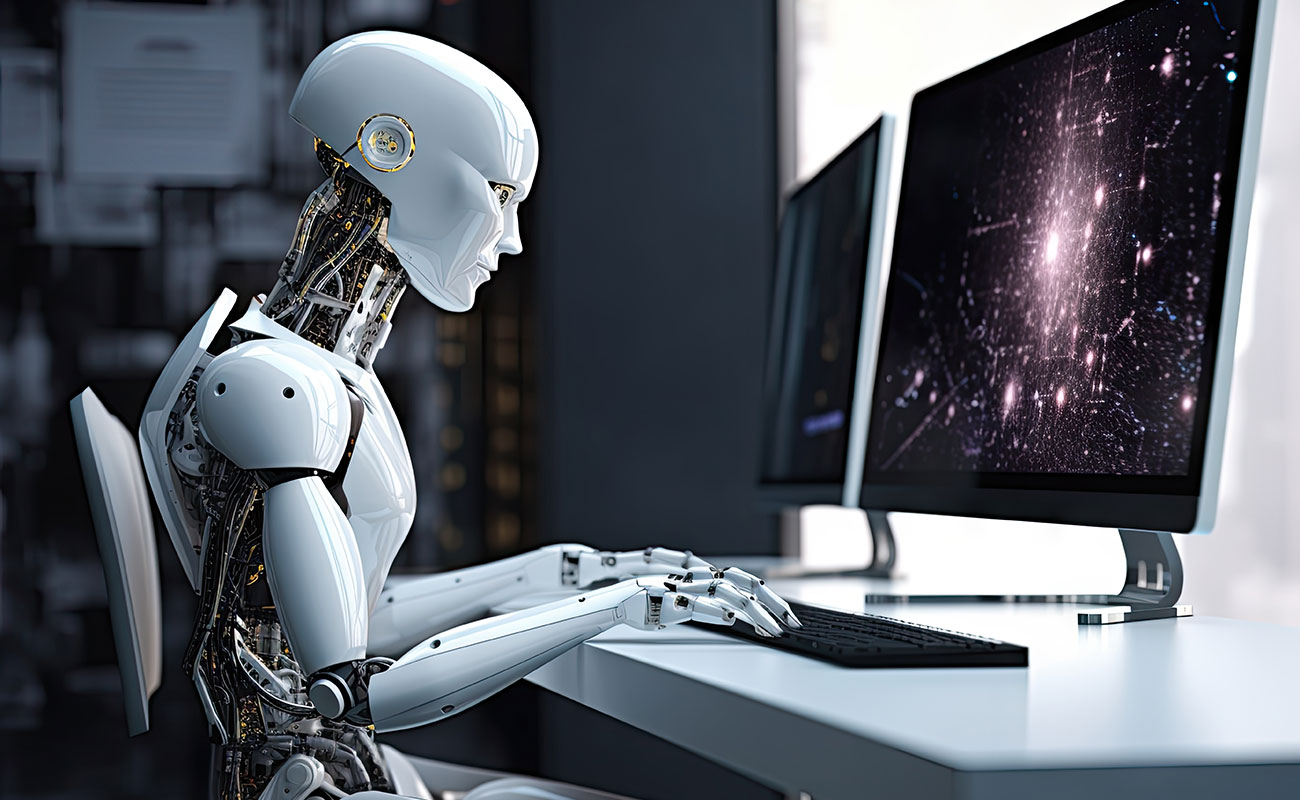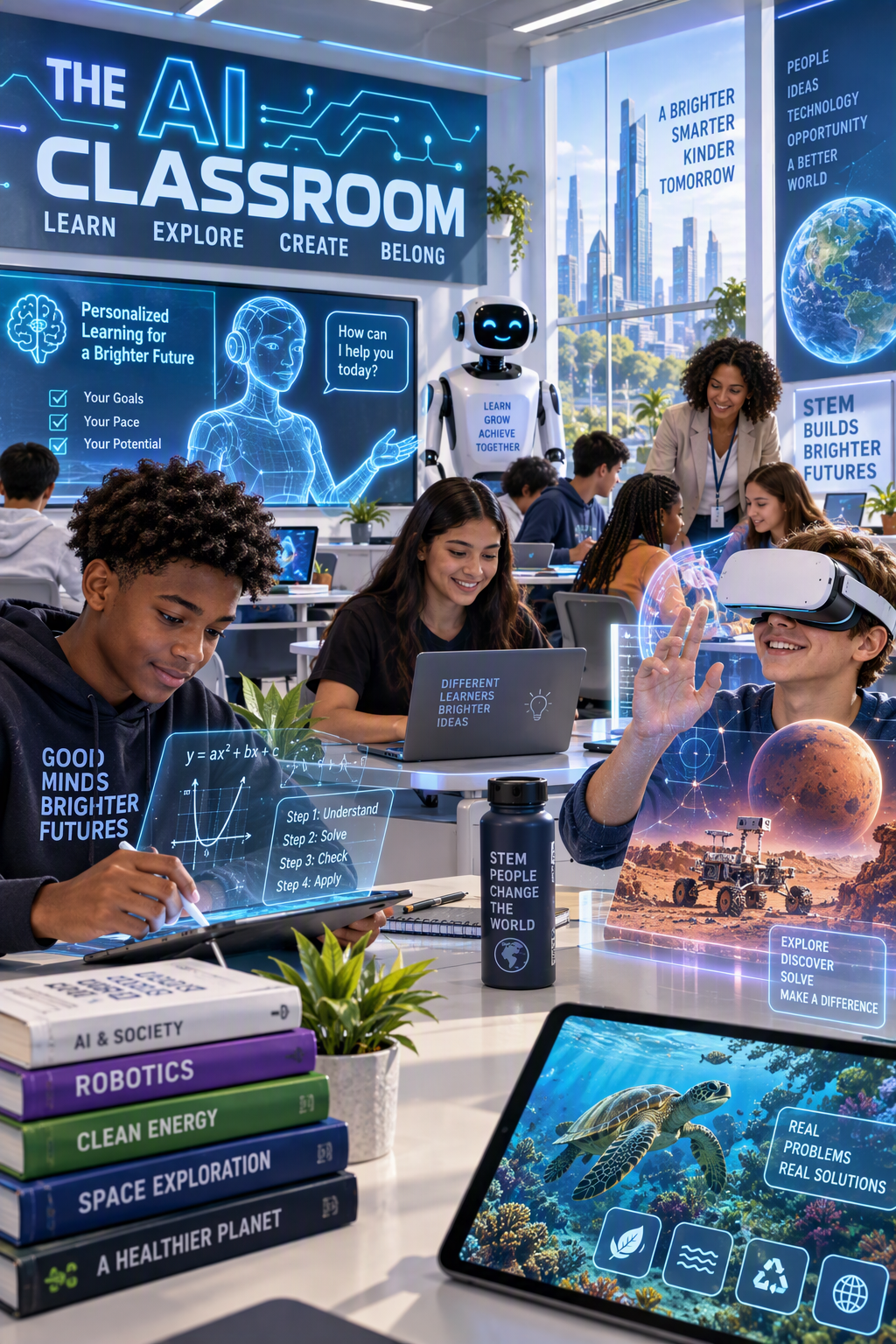
This isn’t science fiction. It’s the future of education.
Artificial Intelligence is rapidly changing how students learn, how teachers teach, and how schools
prepare young people for careers in a technology-driven world. While AI will not replace teachers, it
is expected to reshape nearly every aspect of the learning experience. According to the World
Economic Forum, technological advances, particularly AI, are among the most transformative forces
expected to shape the future workforce through 2030. [weforum.org], [weforum.org]
�� BY THE NUMBERS
AI & EDUCATION FACTS
�� 86% of employers expect AI and information-processing technologies to transform their
organizations by 2030. [weforum.org], [widgets.weforum.org]
�� 81% of employers identify AI and big data as one of the fastest-growing skill areas for the future
workforce. [widgets.weforum.org], [weforum.org]
�� 39% of workers’ core skills are expected to change by 2030 due to technological advances.
[weforum.org], [digital-sk….europa.eu]
�� A global survey found that fewer than 10% of schools and universities had formal guidance for
generative AI adoption when AI tools began rapidly entering classrooms. [unesco.org]
�� PERSONALIZED LEARNING: ONE SIZE NO
LONGER FITS ALL
For decades, classrooms have followed a standardized approach. AI is making individualized
education possible.
Future AI learning systems can analyze student performance in real time and adjust lessons to fit
each learner’s needs. Students who need additional support can receive targeted instruction, while
advanced learners can move ahead at a faster pace.
Expert Insight
“UNESCO’s first global guidance on generative AI in education aims to support countries in ensuring
a human-centered vision of these new technologies.”
— Fengchun Miao and the UNESCO Guidance Team [unesco.org], [unesco.org.uk]
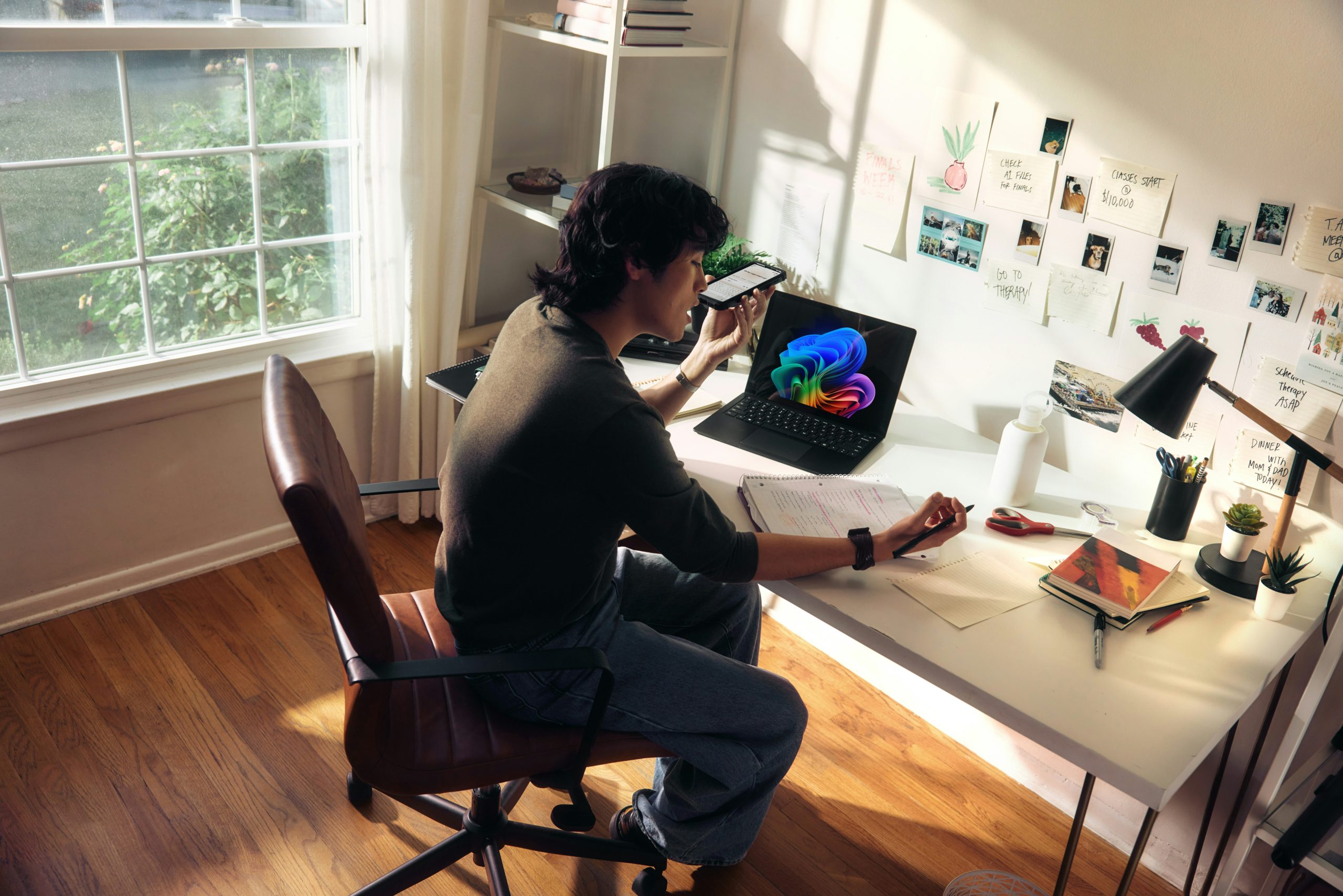
Imagine struggling with geometry on Tuesday and receiving a customized lesson that same evening
from an AI tutor designed specifically for your learning style.
That’s the promise of personalized education.
�� LEARNING ANYTIME, ANYWHERE
Students increasingly expect support beyond the traditional school day.
AI-powered learning assistants can provide:
✅ Homework help
✅ Test preparation
✅ Essay feedback
✅ Language translation
✅ Interactive study guides
✅ Research assistance
The classroom no longer ends when the dismissal bell rings.
�� FROM MEMORIZING FACTS TO SOLVING
PROBLEMS
In the past, educational success often depended on memorization. In the future, schools will focus
more heavily on skills that machines cannot easily replicate.
The World Economic Forum identifies analytical thinking, creative thinking, resilience,
leadership, and technological literacy as among the most important future workforce skills.
[widgets.weforum.org], [weforum.org]
Skills of the Future
Yesterday’s Classroom Tomorrow’s Classroom
Memorization Problem Solving
Worksheets Real-World Projects
Individual Learning Team Collaboration
Recalling Facts Evaluating Information
Standard Lessons Personalized Learning
Students will still need knowledge, but they will be expected to apply it creatively and ethically.
�� NEW CAREERS, NEW COURSES
Many careers today’s students will hold do not yet exist.
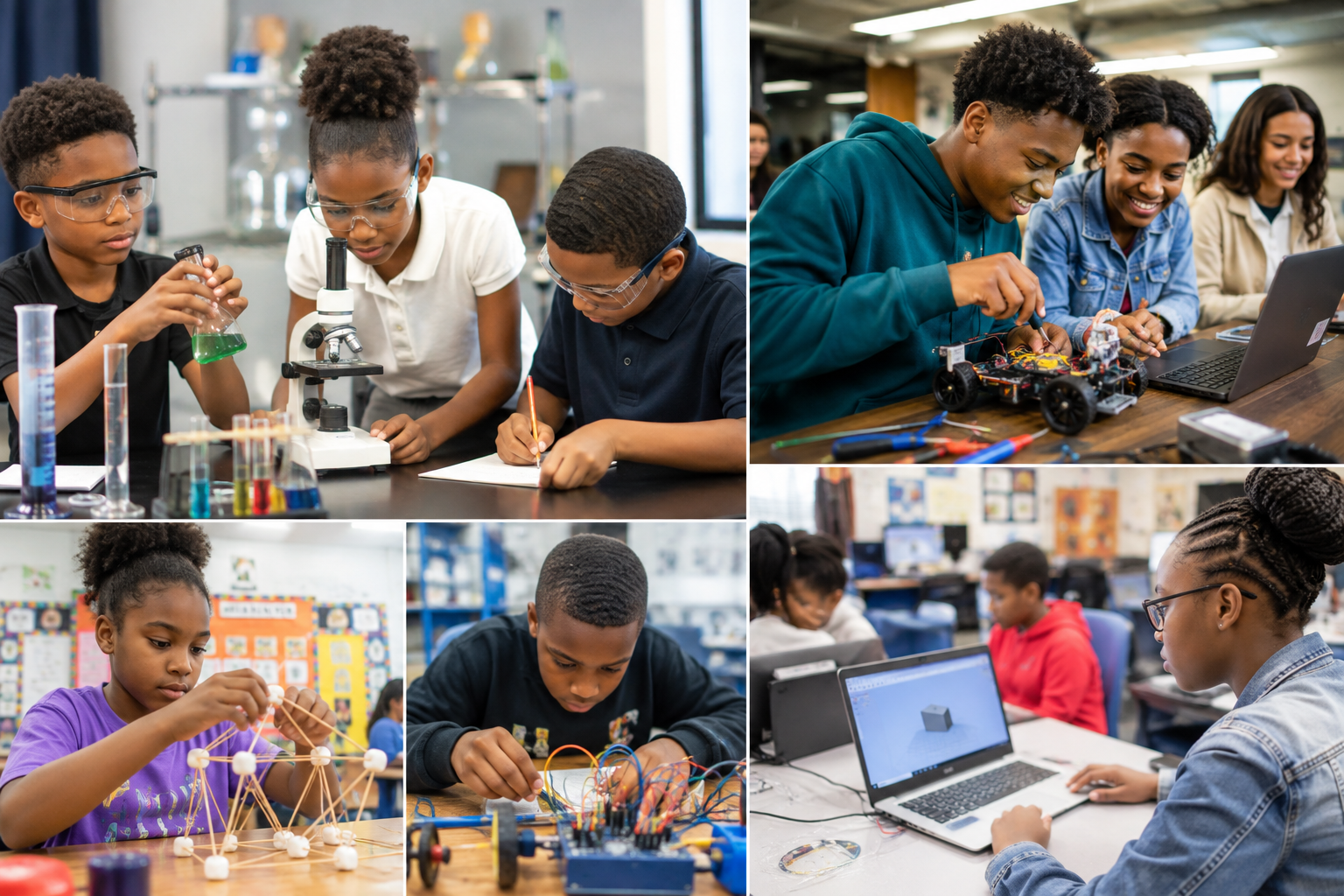
As a result, schools are expected to expand offerings in:
Artificial Intelligence
Robotics
Cybersecurity
Data Science
Machine Learning
Ethical Technology
Digital Media
Entrepreneurship
The World Economic Forum identifies AI, big data, and cybersecurity among the fastest-growing skill
areas globally. [weforum.org], [widgets.weforum.org]
�� IMMERSIVE LEARNING TAKES CENTER STAGE
Imagine exploring:
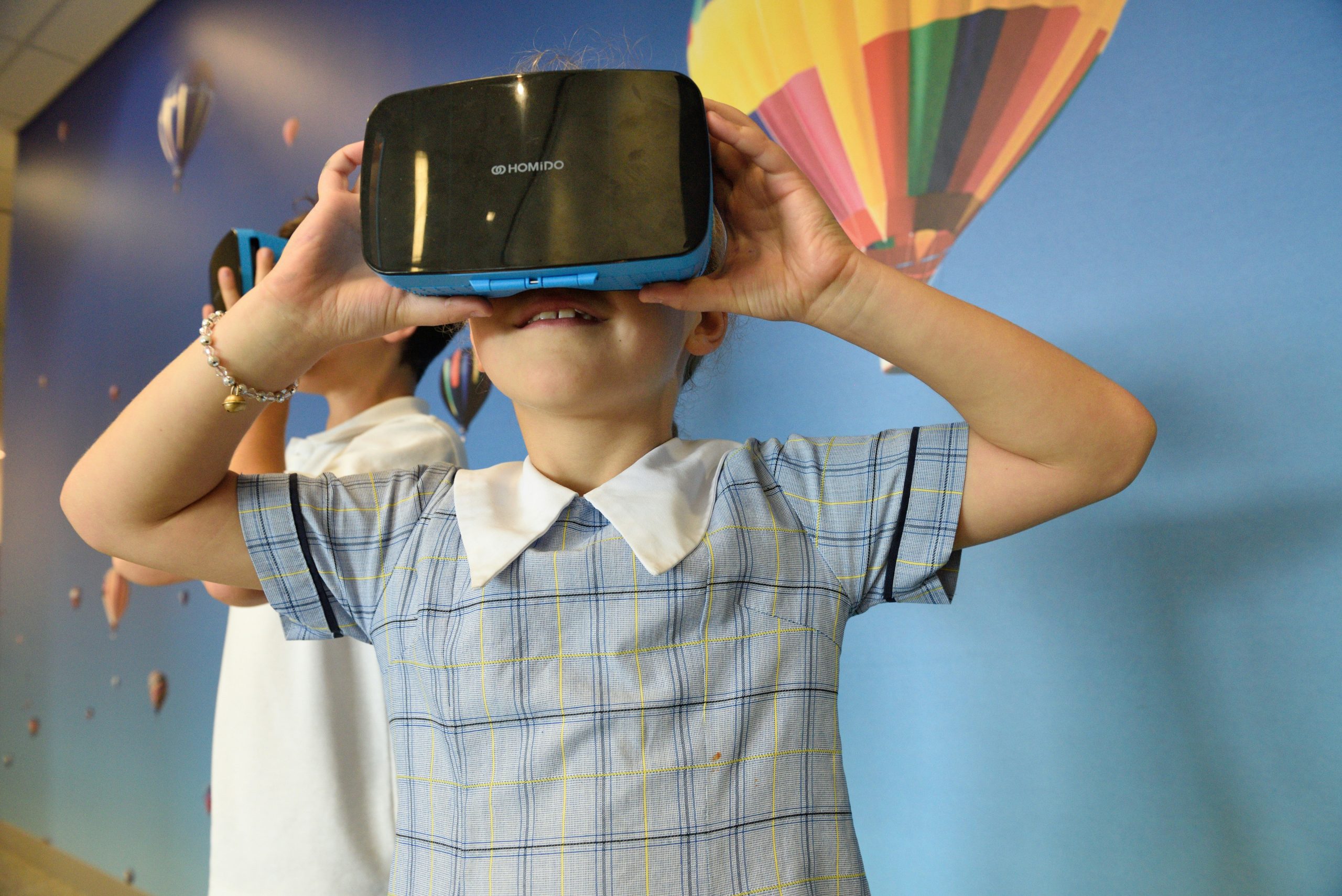
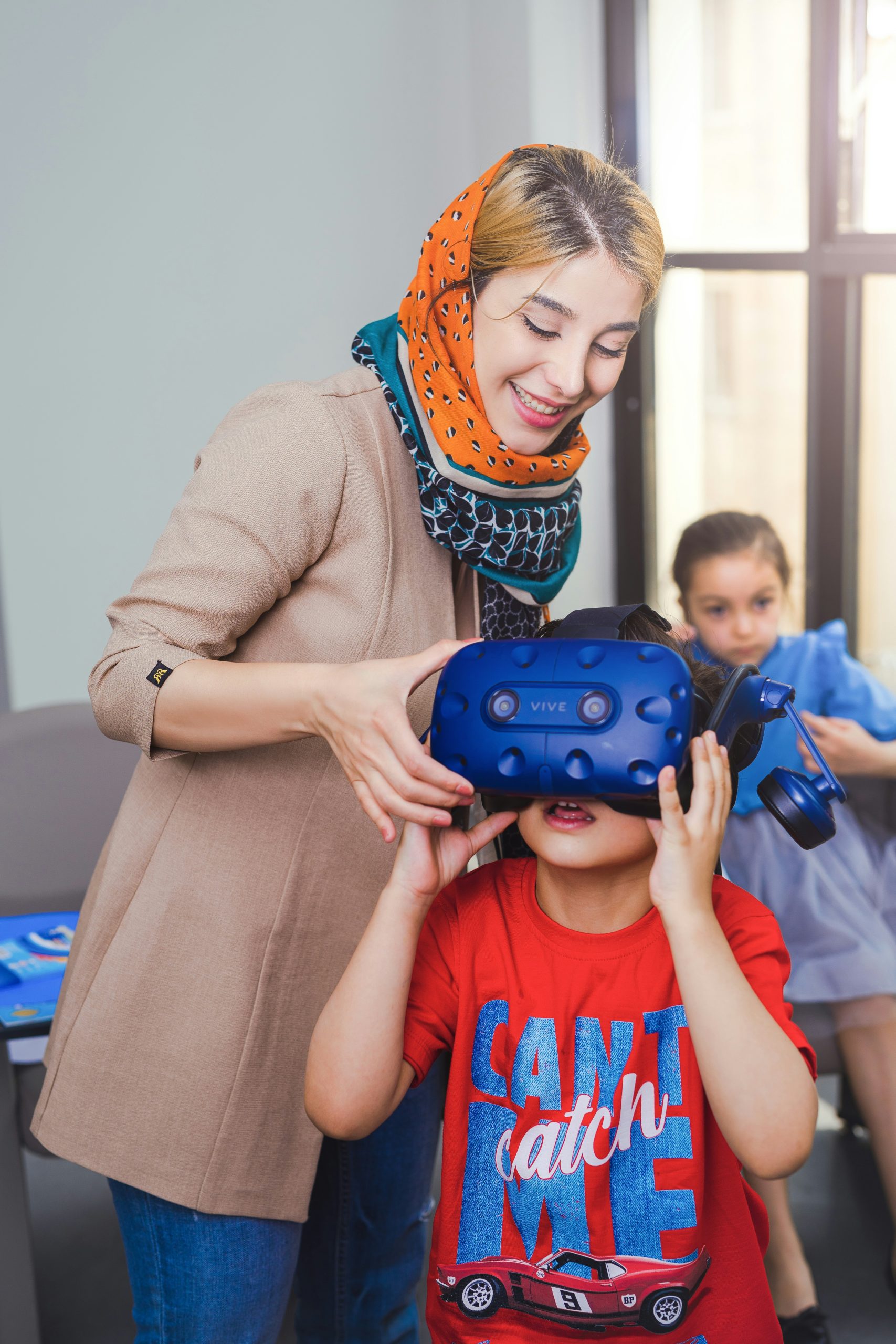
Ancient Rome from a VR headset
The surface of Mars
The International Space Station
Deep-sea ecosystems
Dinosaur habitats
Rainforest canopies
AI and virtual reality technologies will create learning experiences that make students active
participants rather than passive observers.
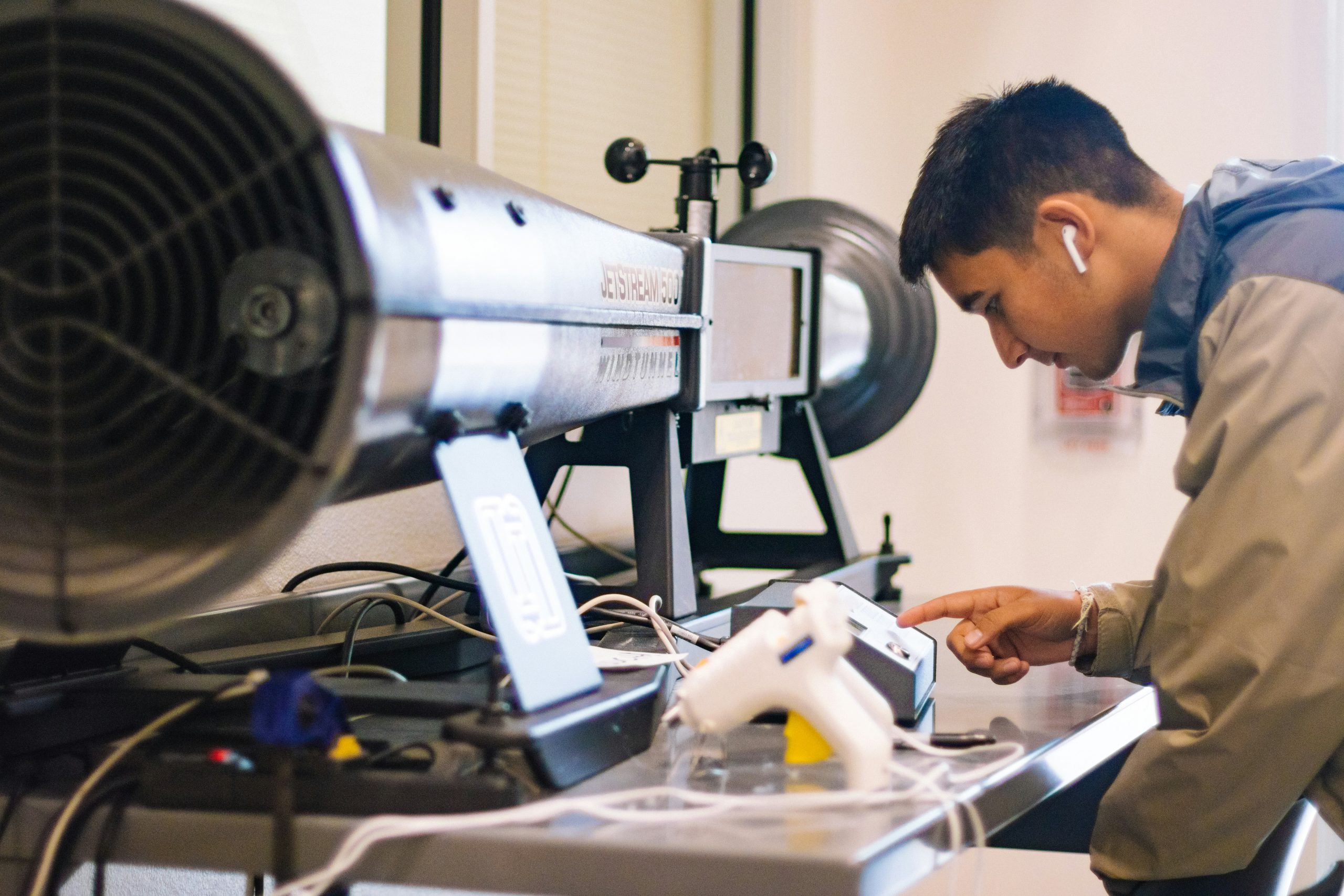
For STEM learners, this could be one of the most exciting educational changes of the twenty-first
century.
������ THE TEACHER OF THE FUTURE
Will AI replace teachers?
Most experts say no.
Instead, teachers will spend less time grading papers and more time mentoring students, building
relationships, encouraging creativity, and guiding critical thinking.
Expert Quote
“Institutions are not yet providing guidance or direction.”
— Sobhi Tawil, Director for the Future of Learning and Innovation at UNESCO, discussing the need
for thoughtful AI integration in education. [unesco.org]
Teachers remain essential because students need human connection, encouragement, and
leadership that technology cannot provide.
⚠️ THE CHALLENGES OF AI IN EDUCATION
With opportunity comes responsibility.
Schools must address:
Academic integrity
Student privacy
Data security
Algorithmic bias
Technology access gaps
Responsible AI use
Expert Perspective
“Without institutional guidance, these technologies are likely to get welded into education systems in
unplanned ways with uncertain implications and possible unintended consequences.”
— Sobhi Tawil, UNESCO [unesco.org]
The challenge for educators will be ensuring that AI serves students rather than students becoming
dependent on AI.
�� STUDENT VOICE
Recent global research found that 86% of students regularly use AI in their studies, yet many still
report concerns about AI literacy, privacy, and preparedness for future workplaces.
[digitaledu…ouncil.com], [digitaledu…ouncil.com]
This demonstrates that students are embracing AI faster than many educational systems can adapt.
⭐ STEM NASTICS TAKEAWAY
Artificial Intelligence is not simply another classroom tool. It represents one of the biggest shifts in
education since the arrival of the internet.
The schools that thrive in the coming decade will be those that combine technology with human
creativity, curiosity, and compassion.
Final Thought
The students who succeed in 2035 will not necessarily be those who know the most facts.
They will be the students who know how to think critically, adapt quickly, and use AI
responsibly to solve the world’s greatest challenges.