A Blueprint for Building a STEM Powerhouse City
How Baltimore Can Transform Its Schools, Neighborhoods, Universities, and Workforce into a National Center for Science, Technology, Engineering, and Mathematics
Baltimore has an opportunity to become something much bigger than a city known for its history, universities, hospitals, and industrial past. It can become a national leader in science, technology, engineering, mathematics, artificial intelligence, robotics, and innovation.
But achieving that vision will require more than opening a few technology centers or introducing computer classes in public schools. Baltimore needs a comprehensive STEM development strategy that reaches children in elementary school, teenagers in high school, college students, working adults, and entire neighborhoods.
The question is not whether Baltimore has the resources to become a STEM powerhouse. The city has major educational institutions, medical research organizations, technology companies, community organizations, and a history of scientific and engineering contributions.
The real question is whether these resources can be connected into one coordinated strategy.
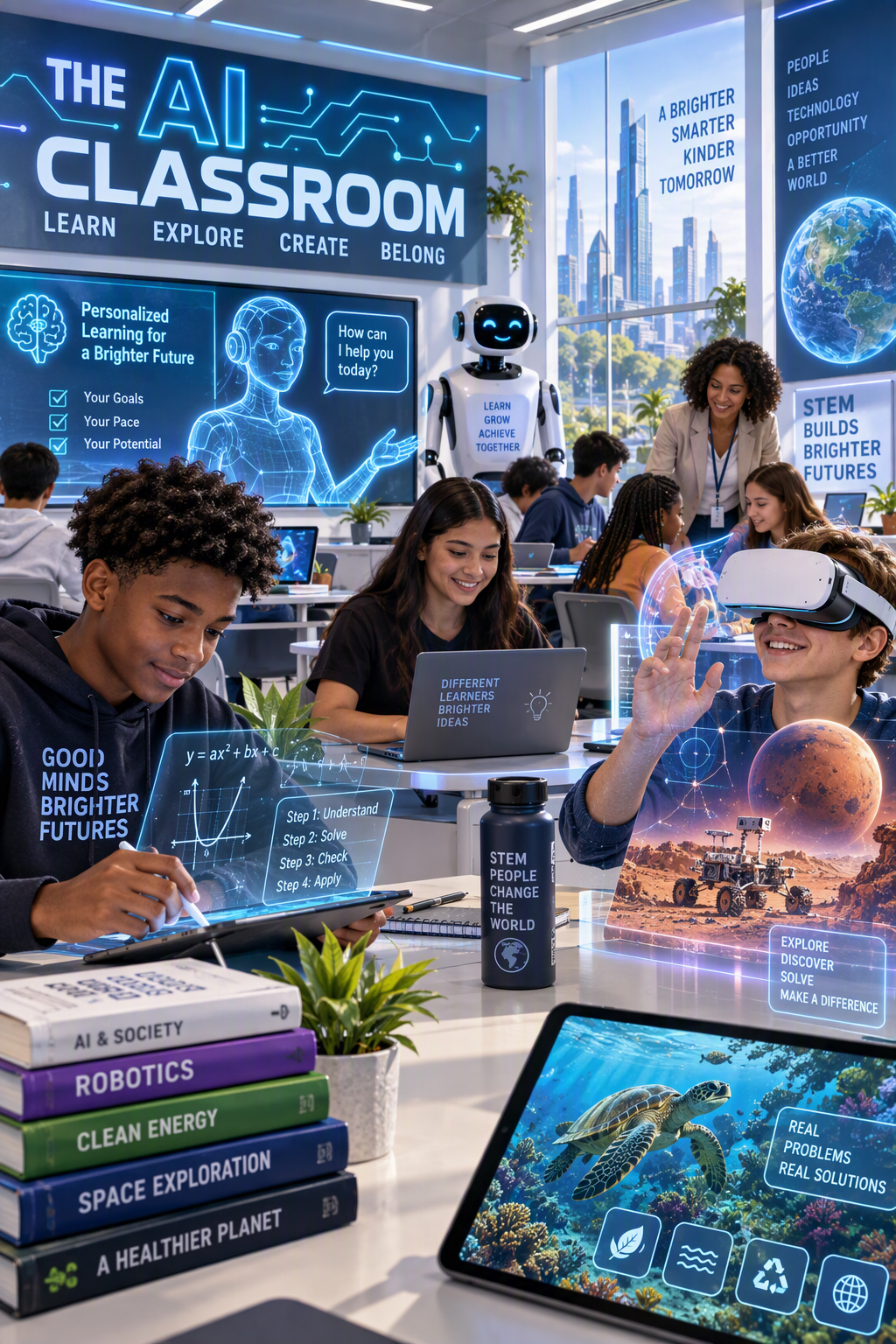
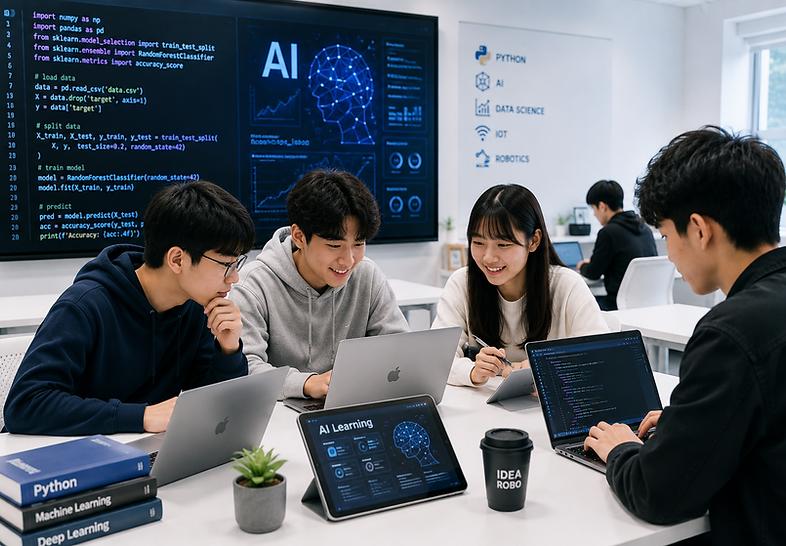
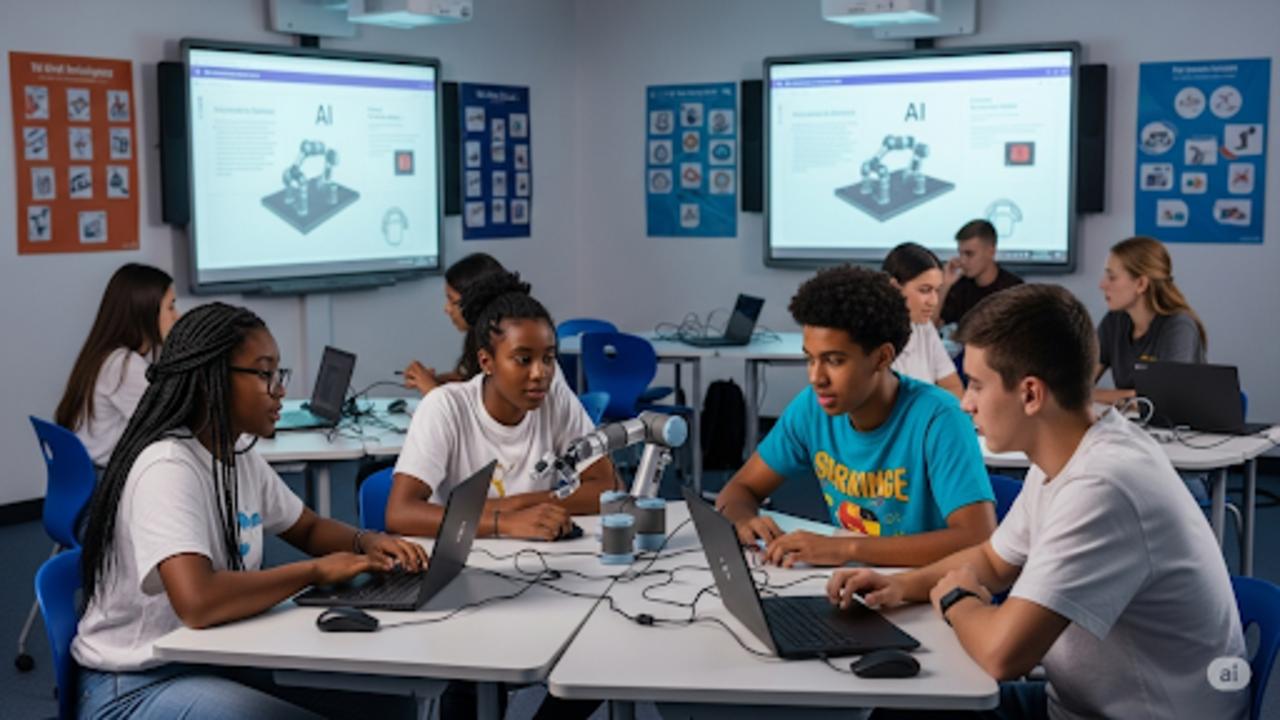
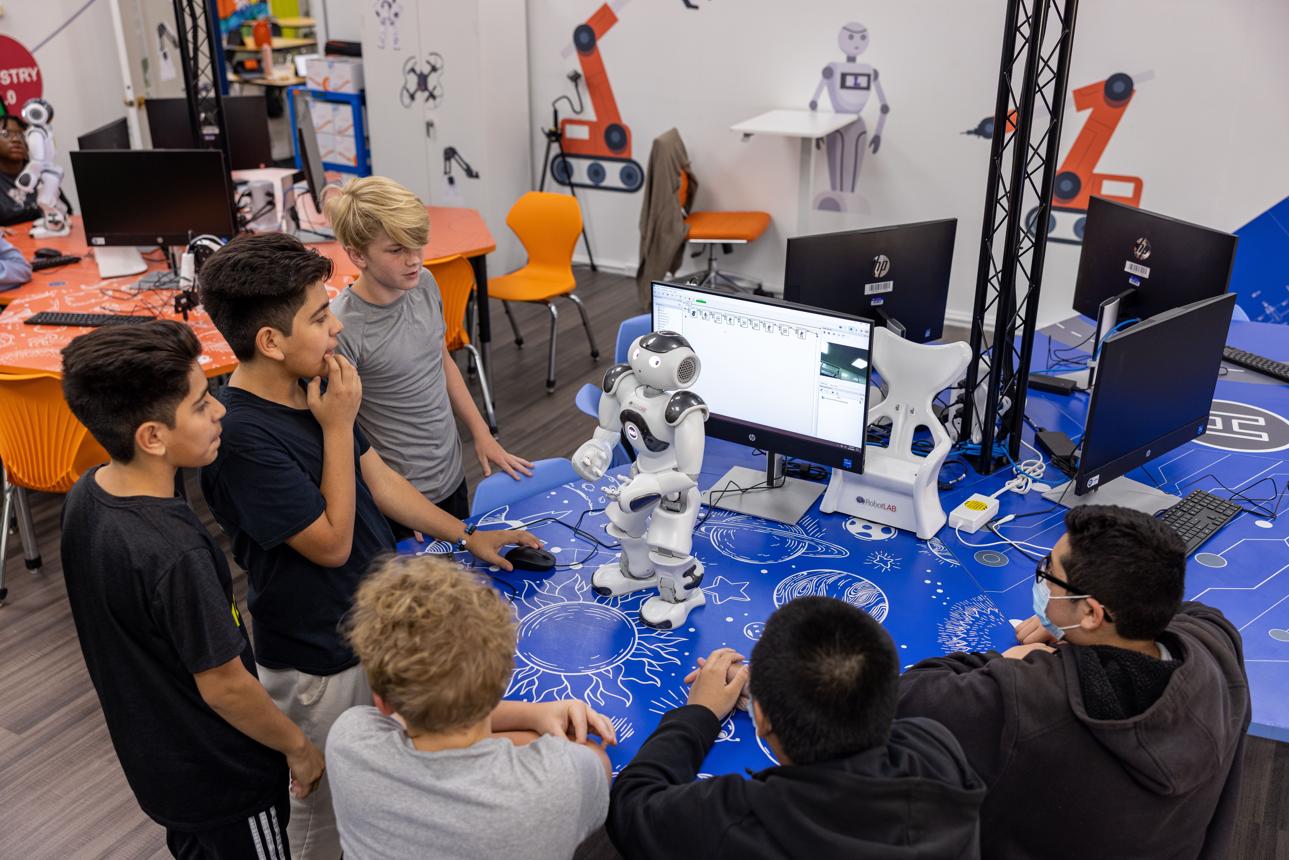
Imagine a Baltimore where elementary school students build robots, middle school students learn artificial intelligence, high school students participate in engineering competitions, college students work in advanced research laboratories, and neighborhood residents have access to technology training.
Imagine young Baltimore residents graduating with the skills needed to work in cybersecurity, biotechnology, software development, advanced manufacturing, and emerging technology industries.
This should not be a distant dream.
It should become a citywide mission.
1. Start With a New Vision for Baltimore
Baltimore needs to establish a long-term goal: become one of America’s leading cities for STEM education, technology innovation, and workforce development.
This vision should connect five major priorities:
- STEM education from elementary school through college.
- Artificial intelligence and advanced technology training.
- Research, innovation, and entrepreneurship.
- Workforce development and career opportunities.
- Neighborhood-based access to technology education.
These priorities should not operate independently.
For example, a student who learns robotics in elementary school should have access to advanced engineering programs in high school, internships in college, and employment opportunities with Baltimore-area companies.
The city should build a continuous pathway connecting education to employment.
Baltimore should stop thinking about STEM as a school program and start treating it as an economic development strategy.
2. Transform Baltimore City Public Schools Into STEM Launchpads
The foundation of a STEM powerhouse begins in its public schools.
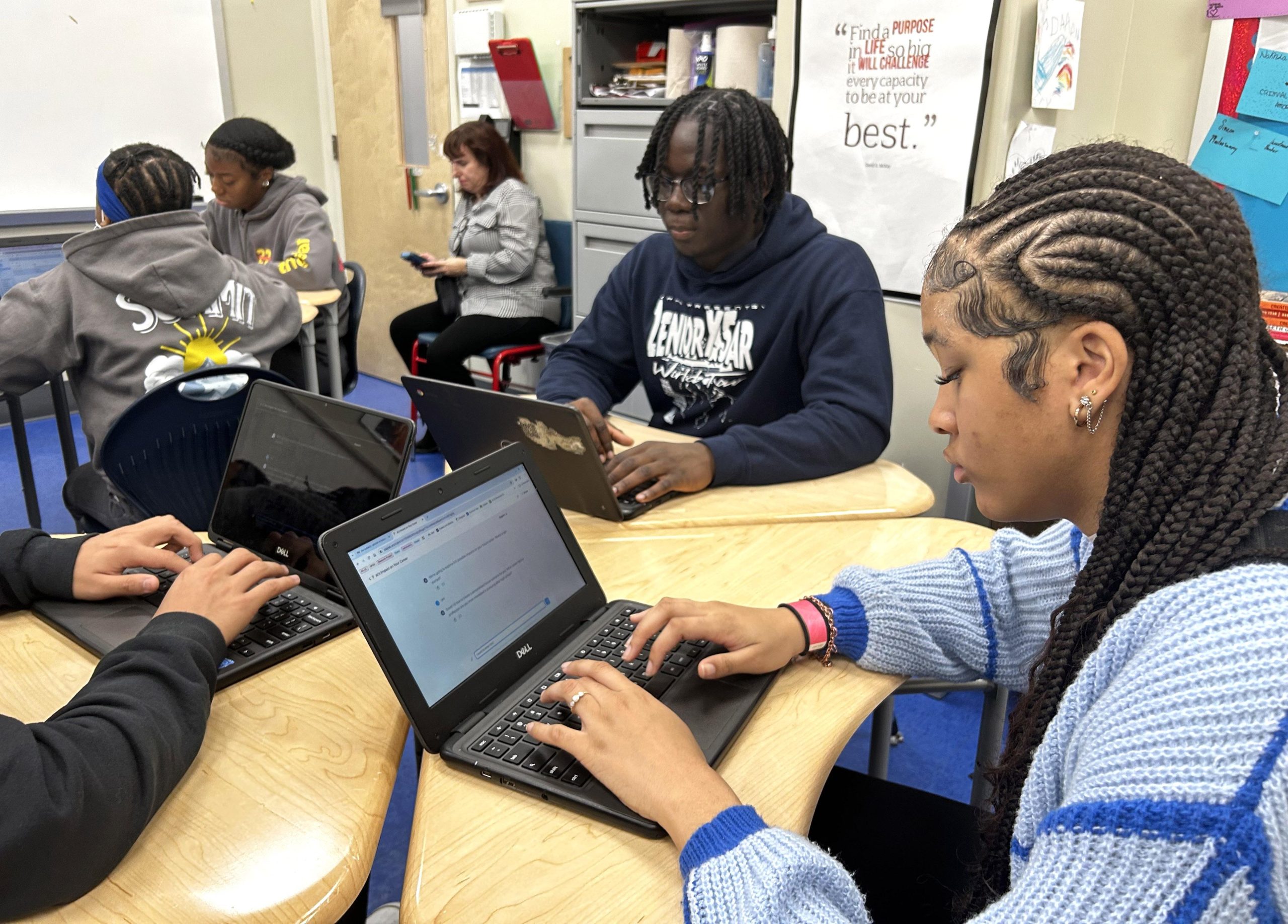
Baltimore City Public Schools should establish a stronger STEM development strategy that makes science, mathematics, engineering, computer science, and technology a regular part of the student experience.
The priority must be mathematics.
Students cannot become competitive in advanced technology fields without a strong understanding of mathematics. Algebra, geometry, statistics, calculus, and mathematical reasoning provide the foundation for engineering, computer science, robotics, and artificial intelligence.
However, STEM education should not be limited to textbooks and examinations.
Students need opportunities to build, experiment, design, and solve problems.
Consider a new approach:
- Elementary schools introduce science laboratories, mathematics exploration, and beginner robotics.
- Middle schools establish coding, engineering, and AI clubs.
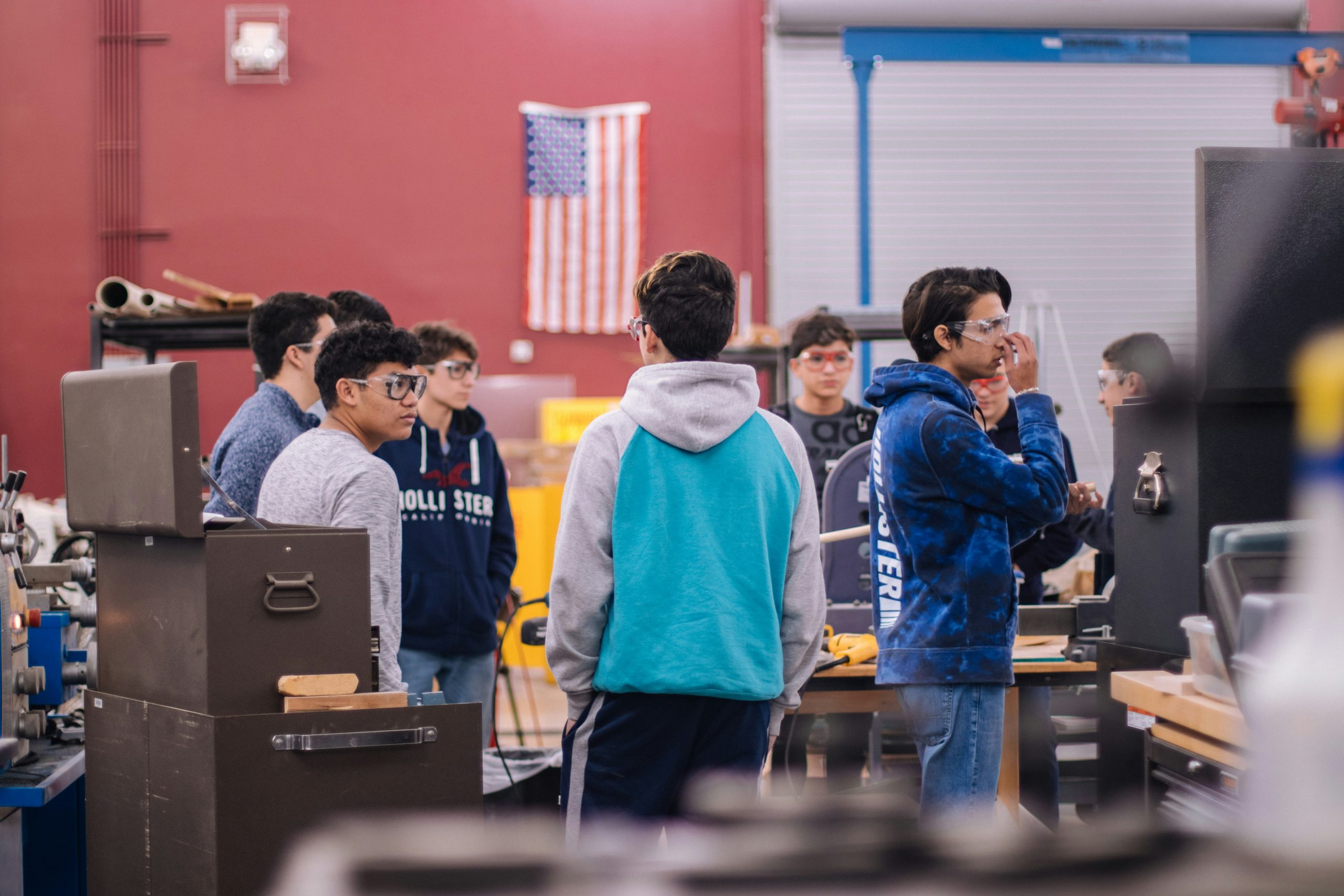
- High schools offer advanced computer science, biotechnology, cybersecurity, and engineering pathways.
- Career and technical education programs connect students with employers and technical certifications.
Every school should have access to meaningful STEM opportunities, even when schools have different facilities and financial resources.
Baltimore should also create a citywide STEM competition involving public schools. Students could compete in robotics, coding, environmental science, mathematics, engineering design, and technology innovation.
These competitions would encourage teamwork, creativity, and academic achievement while helping students discover their interests.
3. Create a Baltimore AI and Robotics Initiative
Artificial intelligence is changing nearly every industry.
Healthcare, transportation, banking, manufacturing, education, entertainment, and scientific research are already experiencing technological transformation.
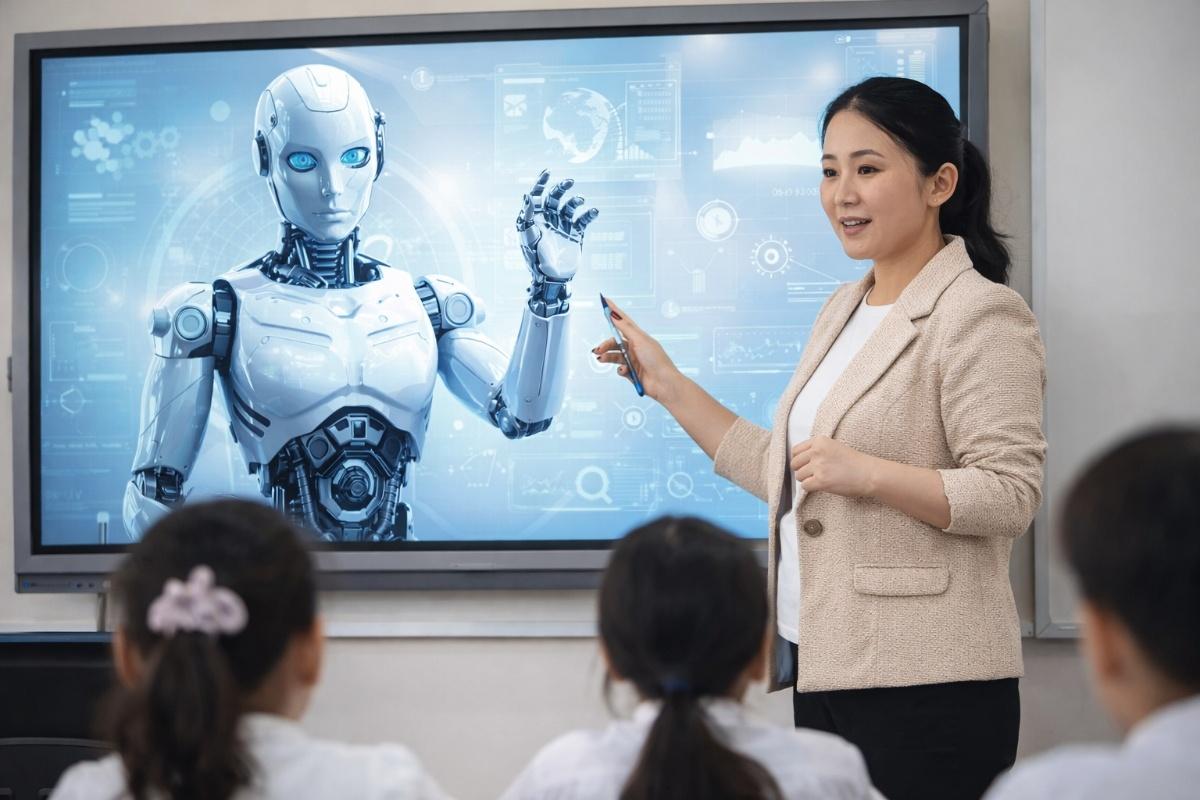
Baltimore should establish a major AI and Robotics Initiative designed to introduce students and residents to these emerging fields.
The initiative could include:
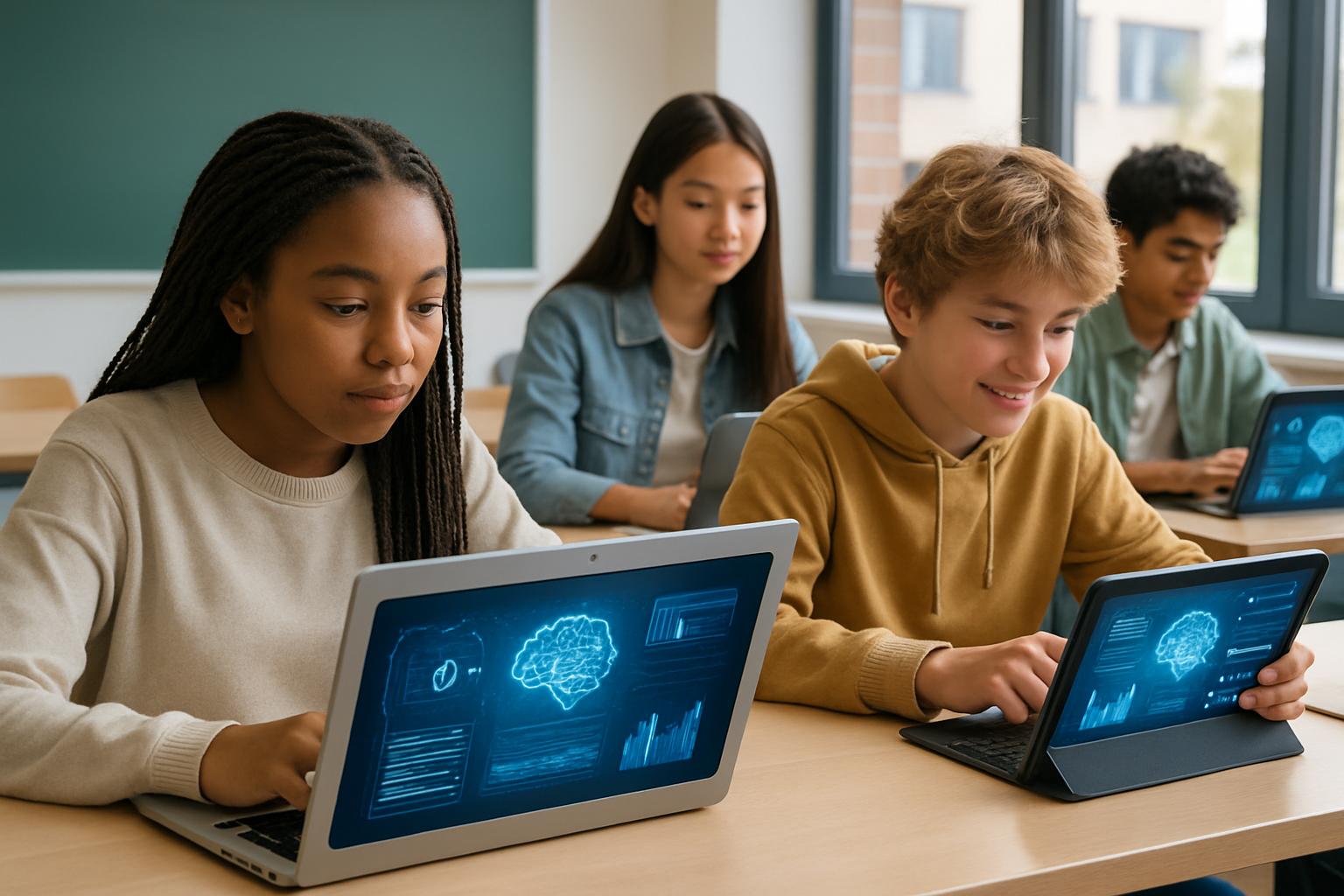
Baltimore AI Learning Labs: Technology classrooms where students learn AI fundamentals, data science, responsible technology use, and programming.
Robotics Development Centers: Facilities where students explore engineering, automation, mechanical design, and robotics.
Youth Innovation Challenges: Competitions where students develop solutions to community problems using technology.
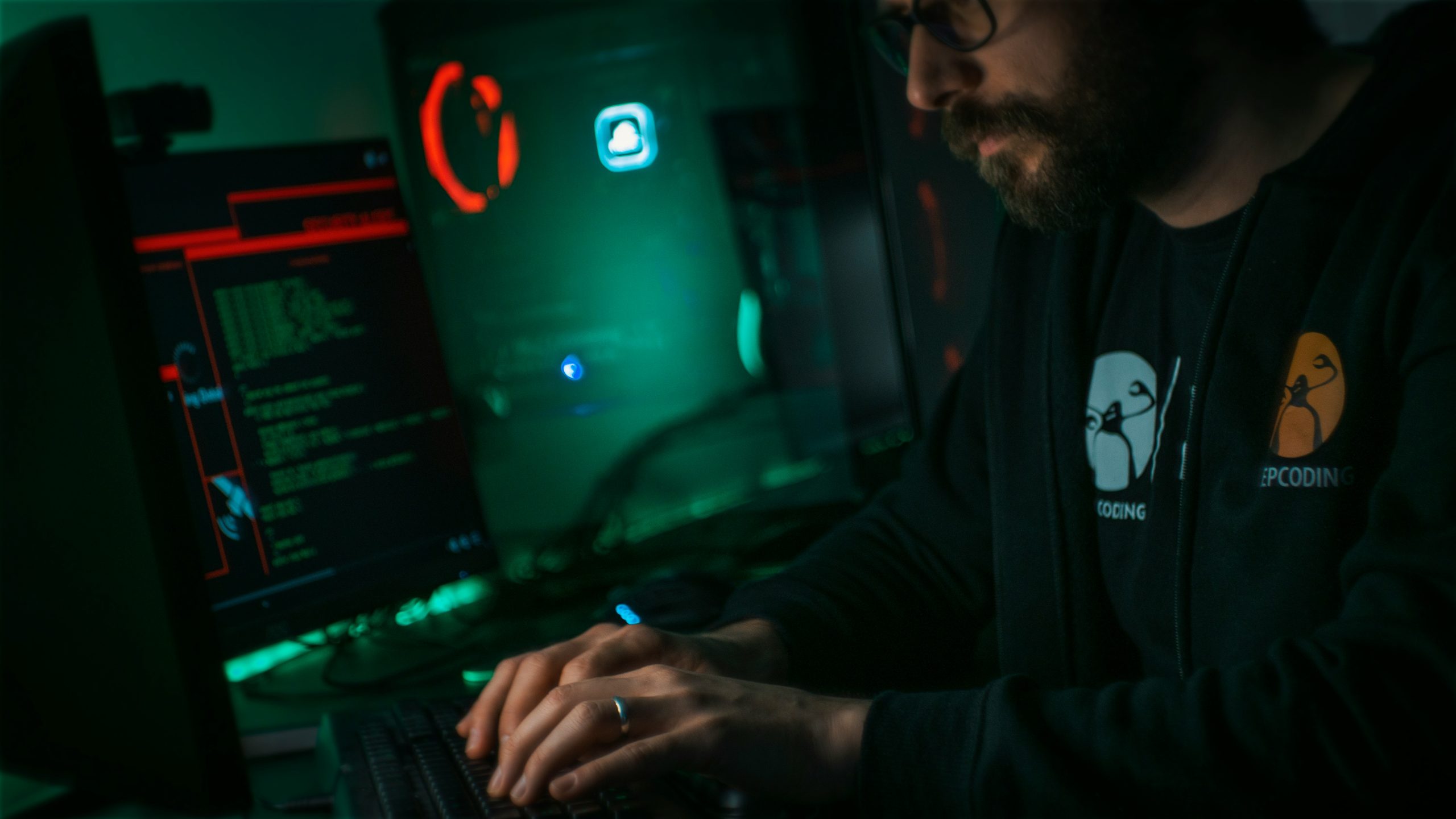
AI Career Exploration: Programs that introduce students to machine learning, cybersecurity, software engineering, and data analysis.
Adult Technology Education: Training programs that help adults develop digital skills and prepare for changing workforce opportunities.
The initiative should emphasize responsible AI education, including privacy, fairness, accuracy, and human oversight.
Baltimore should aim to make AI literacy a basic educational opportunity rather than a privilege available only to students attending well-funded schools.
4. Connect Baltimore’s Universities into One Innovation Network
Baltimore has an extraordinary educational advantage: several major colleges and universities are located within the city.
Imagine what could happen if these institutions worked together around one shared STEM mission.
Johns Hopkins University brings internationally recognized research capabilities, medicine, engineering, and scientific innovation.
Morgan State University provides important opportunities in engineering, computer science, transportation, and research, while expanding access to advanced STEM education.
University of Maryland, Baltimore contributes expertise in health sciences, biomedical research, and professional education.
University of Baltimore can contribute through technology-related business education, cybersecurity, entrepreneurship, and workforce development partnerships.
Community College of Baltimore City can help create affordable pathways into technical education, certifications, and four-year degree programs.
These institutions should explore establishing a Baltimore STEM Partnership Network.
The network could coordinate:
- Shared student research opportunities.
- High school and college mentoring.
- Summer STEM academies.
- University laboratory visits.
- AI and robotics competitions.
- Joint workforce training.
- Scholarships and internships.
- Technology entrepreneurship programs.
The goal would be to connect Baltimore students with the educational resources already operating in their own city.
5. Build Neighborhood STEM and Innovation Centers
One of the biggest mistakes cities make is assuming that education only happens inside schools.
Baltimore should establish neighborhood STEM and Innovation Centers throughout the city.
These centers could operate in renovated buildings, libraries, recreation centers, community facilities, and underused commercial properties.
Each center could offer:
- Computer and AI classrooms.
- Robotics and engineering workshops.
- Mathematics tutoring.
- Science demonstrations.
- Digital media and animation.
- Coding instruction.
- College preparation.
- Technology career counseling.
These centers should operate after school, during weekends, and throughout the summer.
A neighborhood STEM center should become a place where young people can explore technology without having to travel across the city.
It should also welcome parents, adults, and seniors interested in developing digital skills.
This approach could help make Baltimore’s technology future more inclusive and community-centered.