The AI Generation: Are Our Schools Preparing Students for the Future?
How Artificial Intelligence Is Transforming Education, Redefining the Workforce, and Challenging Schools to Rethink What Students Need to Succeed
By STEM Nastics Magazine
Introduction: A Generation Growing Up With Artificial Intelligence
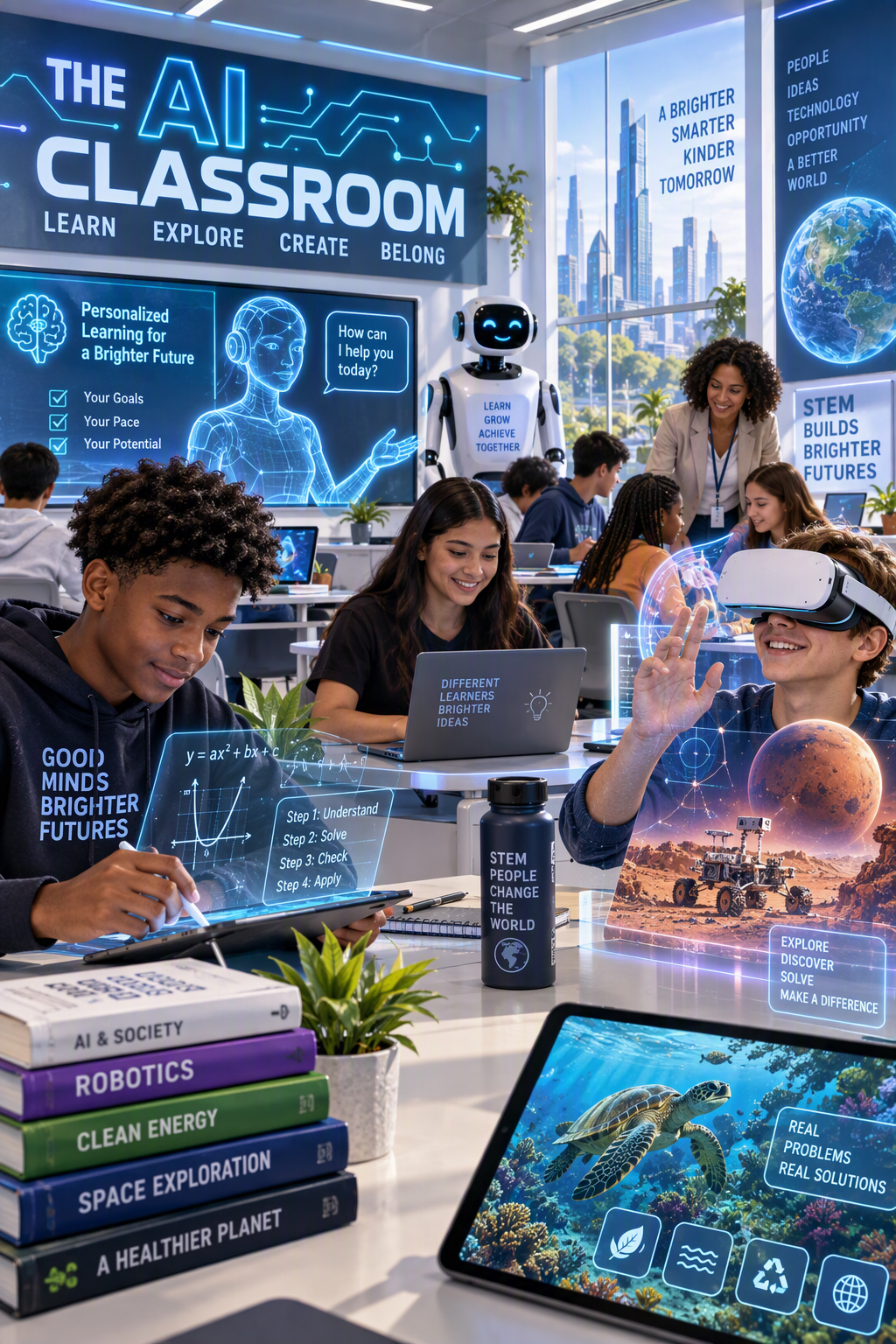
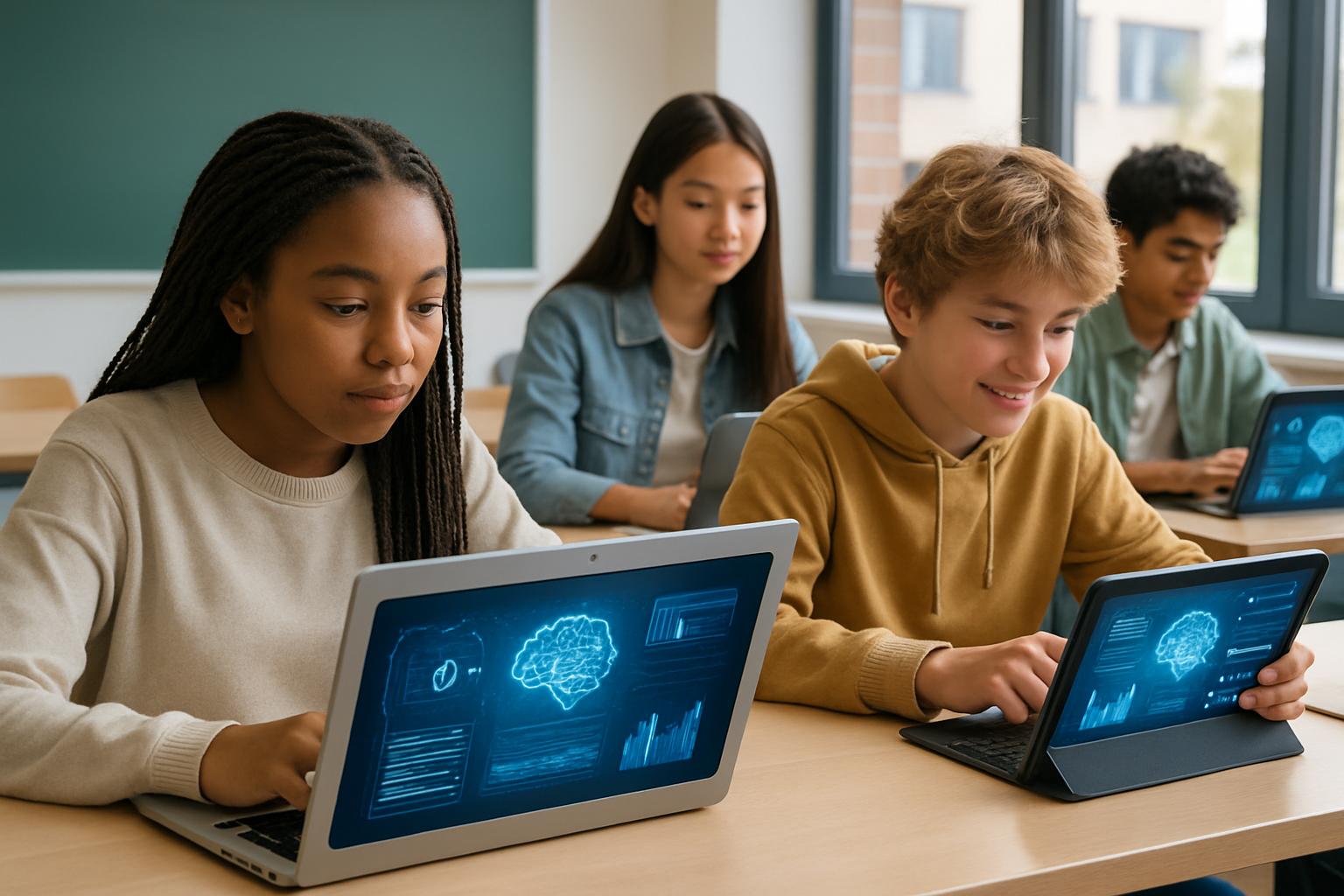
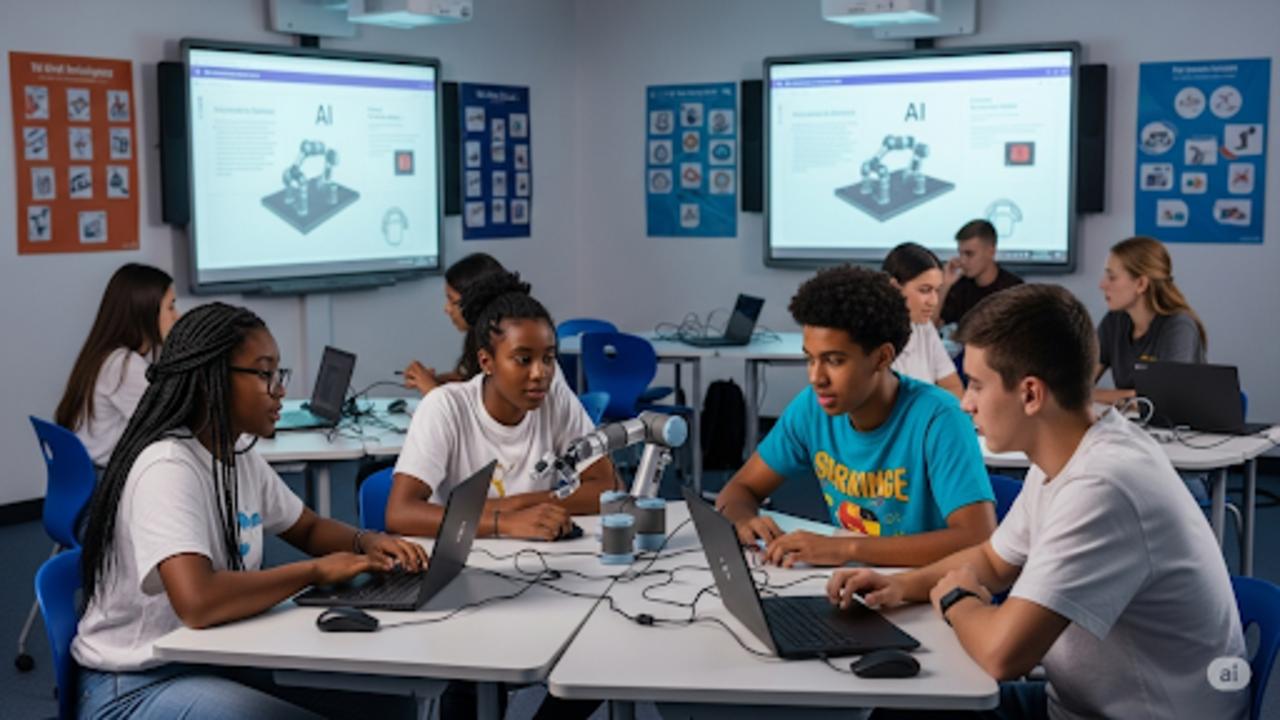
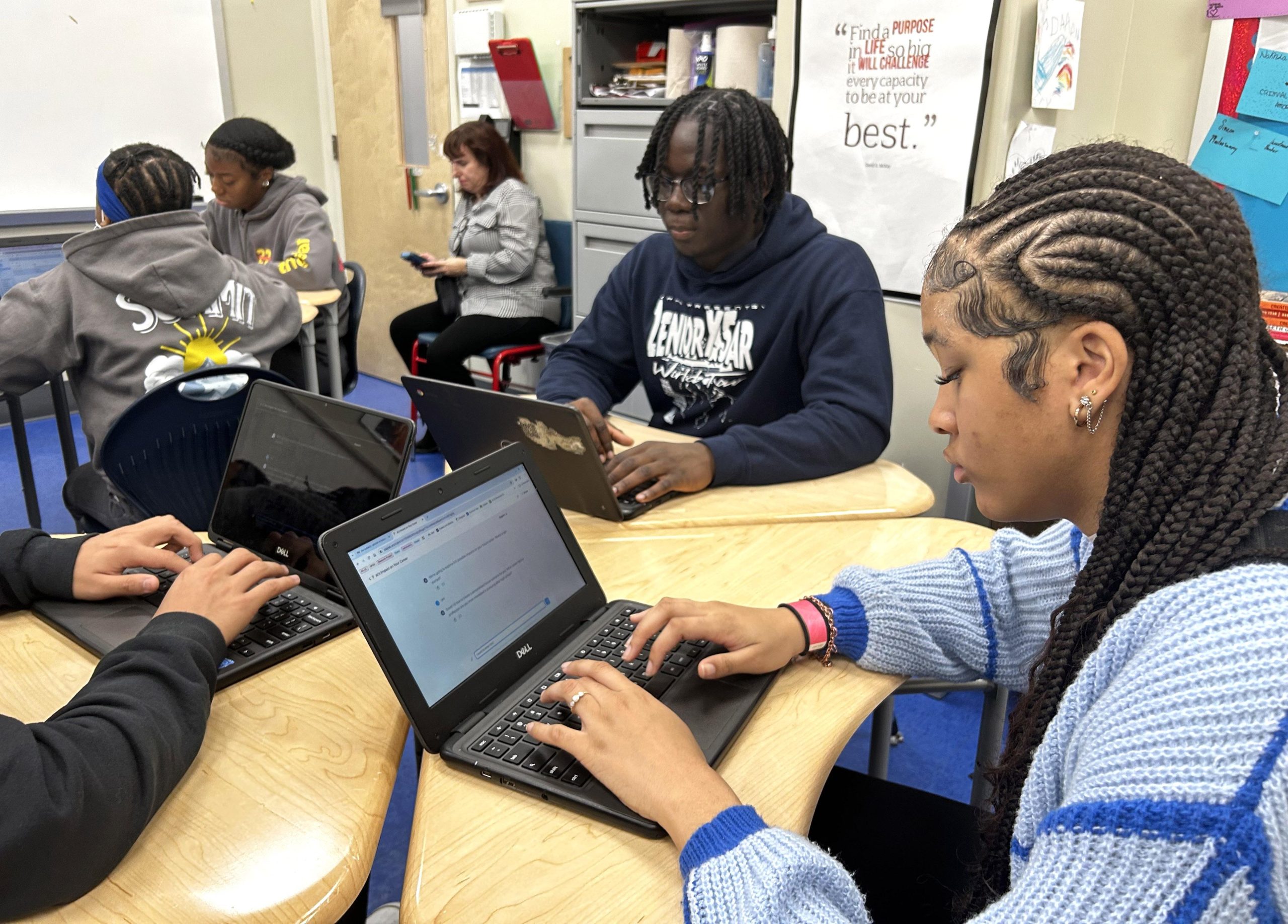
Imagine a classroom where students are no longer limited to textbooks, traditional lectures, or one-size-fits-all assignments. Instead, students work alongside artificial intelligence (AI) assistants, design robots, create computer programs, explore virtual laboratories, and use intelligent learning platforms that adapt to their individual needs.
A student struggling with algebra can receive personalized explanations. Another student interested in engineering can experiment with digital prototypes. A young writer can use AI to brainstorm ideas, improve grammar, and develop stronger arguments. A science student can explore complex biological systems through interactive simulations.
This is no longer a distant vision of education. It is already happening.
Artificial intelligence is rapidly changing how people communicate, work, learn, conduct research, and solve problems. From healthcare and transportation to entertainment, manufacturing, finance, and scientific discovery, AI is becoming an important part of everyday life.
But while technology is advancing at an extraordinary pace, an important question remains:
Are our schools preparing students for the world they are about to inherit?
Today’s students are growing up in an environment where the skills needed to succeed may look very different from those required by previous generations. Knowing how to read, write, and perform mathematical calculations remains essential. However, students must also understand technology, think critically, solve problems, evaluate information, collaborate with others, and adapt to continuous change.
AI generation needs more than access to computers. It needs an education system designed for the future.
Schools must begin preparing students not only to use artificial intelligence but also to understand it, question it, create with it, and use it responsibly.
The future of education is already unfolding. The challenge is making sure every student has an opportunity to participate.
1. The AI Revolution Is Changing the World of Work
Artificial intelligence is transforming the global workforce.
Businesses are using AI to analyze information, improve customer service, automate repetitive tasks, develop products, manage operations, and make decisions. Robots are assisting in manufacturing facilities, warehouses, hospitals, and laboratories. AI-powered software is helping professionals complete work that previously required hours or even days.
This transformation is changing the skills employers need.
Consider some of the industries experiencing significant technological changes:
Healthcare: AI systems can help medical professionals analyze medical images, identify patterns, organize patient information, and support research.
Engineering: Engineers use AI-assisted design tools to test ideas, simulate structures, and develop more efficient products.
Transportation: Autonomous vehicle technology, intelligent traffic systems, and predictive maintenance are changing how transportation networks operate.
Agriculture: Farmers are using drones, sensors, and AI-powered systems to monitor crops, manage resources, and improve agricultural production.
Entertainment and Media: AI is changing how movies, music, video games, animation, and digital content are developed.
Finance and Business: Organizations use AI to analyze financial information, detect suspicious activity, automate administrative tasks, and improve customer experiences.
These developments raise an important educational challenge.
Students entering the workforce ten years from now may compete for jobs that do not exist today. Some traditional positions may change significantly, while entirely new careers emerge.
Schools cannot predict every future occupation. However, they can prepare students with transferable skills that remain valuable as technology changes.
These include:
- Critical thinking and analytical reasoning.
- Computer science and digital literacy.
- Communication and collaboration.
- Creativity and innovation.
- Mathematical and scientific problem-solving.
- Data analysis and interpretation.
- Adaptability and lifelong learning.
- Ethical decision-making.
The goal should not be to prepare every student to become a computer programmer or AI engineer.
The goal should be to ensure every student understands the technology shaping the world around them.
2. Are Traditional Classrooms Keeping Up?
For generations, schools have followed a familiar educational structure. Students attend classes, listen to teachers, complete assignments, take examinations, and advance through established grade levels.
This system has produced generations of doctors, teachers, engineers, scientists, business leaders, and skilled professionals.
However, the world students are entering is changing faster than many educational systems.
Traditional instruction often emphasizes memorization, standardized testing, and completing assignments according to established procedures. These skills have value, but they are not sufficient by themselves.
When students can use AI tools to summarize information, generate practice questions, explain mathematical concepts, and assist with research, educators must reconsider what meaningful learning looks like.
If a student can ask an AI assistant to explain a historical event, should the educational objective simply be memorizing dates and names?
Or should students be expected to examine historical evidence, compare different perspectives, identify bias, and develop their own conclusions?
If AI can generate a basic computer program, should computer science education focus only on memorizing programming commands?
Or should students learn how to identify problems, design solutions, test software, and understand the principles behind the technology?
The purpose of education must evolve.
Schools should place greater emphasis on applying knowledge rather than simply recalling information.
Students should be challenged to investigate, experiment, build, question, and create.
Artificial intelligence should not eliminate the importance of teachers or foundational education. Instead, it should encourage schools to make learning more engaging, relevant, and connected to real-world challenges.
3. Artificial Intelligence as a Classroom Learning Partner
One of the most promising opportunities AI offers education is personalized learning.
Every student learns differently.
Some students understand mathematical concepts quickly but struggle with reading comprehension. Others excel in science but need additional support with writing. Some students learn best through visual demonstrations, while others benefit from discussions, hands-on activities, and repeated practice.
Traditional classrooms often require teachers to support many students with different learning needs simultaneously.
AI-powered educational platforms can provide additional assistance.
For example, an AI learning assistant could:
- Explain difficult concepts using simpler language.
- Generate additional mathematics practice problems.
- Provide reading comprehension exercises.
- Help students learn new vocabulary.
- Offer language translation and accessibility support.
- Create personalized study guides.
- Provide feedback on writing assignments.
- Help students prepare for examinations.
Imagine a student who does not understand a lesson about electricity.
Instead of giving up, the student could ask an AI learning assistant to explain voltage, current, and resistance using examples from everyday life.
The system could provide a diagram, generate practice questions, and offer another explanation when the student struggles.
This type of support could help students become more independent learners.
However, AI should supplement teachers, not replace them.
Teachers provide something technology cannot fully reproduce: human judgment, encouragement, emotional understanding, classroom leadership, mentorship, and the ability to recognize when a student needs personal attention.
The most effective classrooms will combine the strengths of educators with the capabilities of responsible technology.
4. Every Student Needs AI Literacy
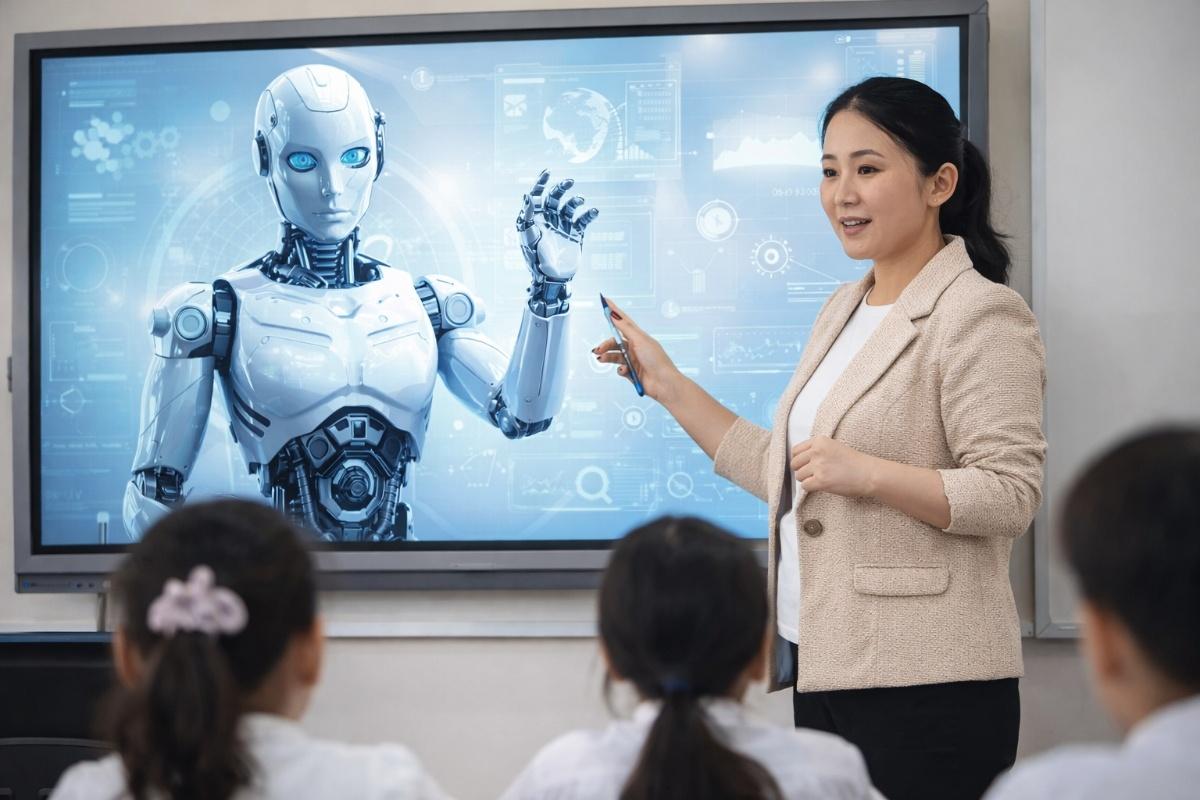
One of the biggest educational challenges is ensuring students understand how artificial intelligence works.
Millions of young people already interact with AI-powered technologies through smartphones, social media platforms, search engines, video recommendations, gaming systems, and digital assistants.
But using AI is not the same as understanding AI.
Students should learn the basic principles behind artificial intelligence, including:
Machine Learning: How computers identify patterns and improve their performance using data.
Algorithms: The instructions and processes computers follow to complete tasks and solve problems.
Data Science: How information is collected, organized, analyzed, and interpreted.
Natural Language Processing: How computers interpret and generate human language.
Computer Vision: How AI systems analyze images and videos.
Generative AI: How computer systems create text, images, audio, video, and other content.
Students should also understand that AI systems are not always accurate.
AI can produce incorrect information, reflect biases in training data, misunderstand questions, and generate convincing but misleading responses.
Students need to learn how to verify information rather than automatically accepting everything an AI system produces.
AI literacy should become an essential part of modern education, similar to reading, mathematics, science, and digital literacy.
The question is not whether students will encounter artificial intelligence.
They already are.
The question is whether schools will teach them how to use it intelligently.
5. STEM Education Must Become a National Priority
Science, Technology, Engineering, and Mathematics (STEM) education will play a central role in preparing students for an AI-driven world.
Artificial intelligence depends on many foundational STEM disciplines.
Computer science helps students understand programming and computational thinking. Mathematics provides the foundation for algorithms and machine learning. Science encourages experimentation and evidence-based reasoning. Engineering teaches students how to design, build, test, and improve solutions.
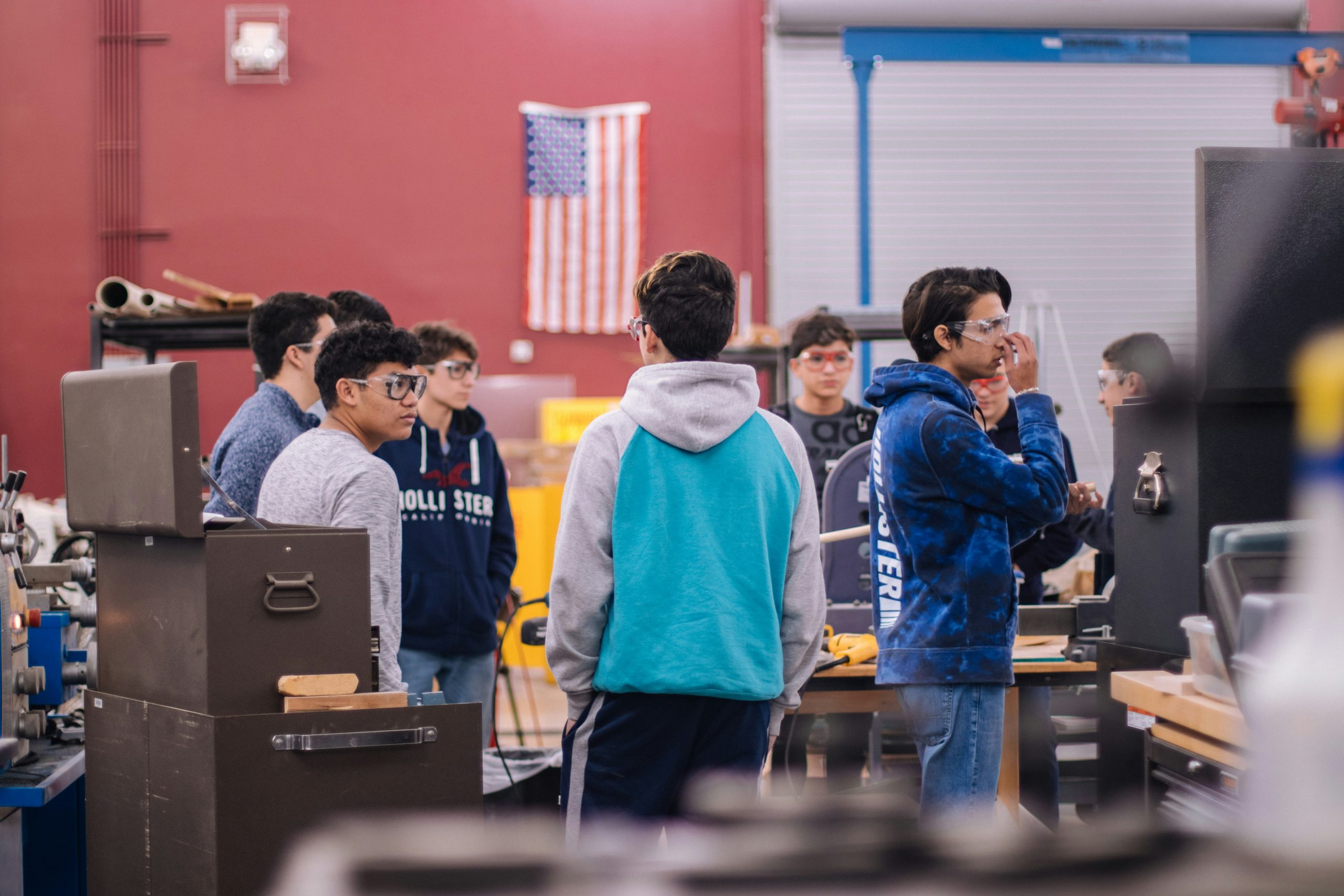
Schools should expand opportunities for students to participate in hands-on STEM experiences.
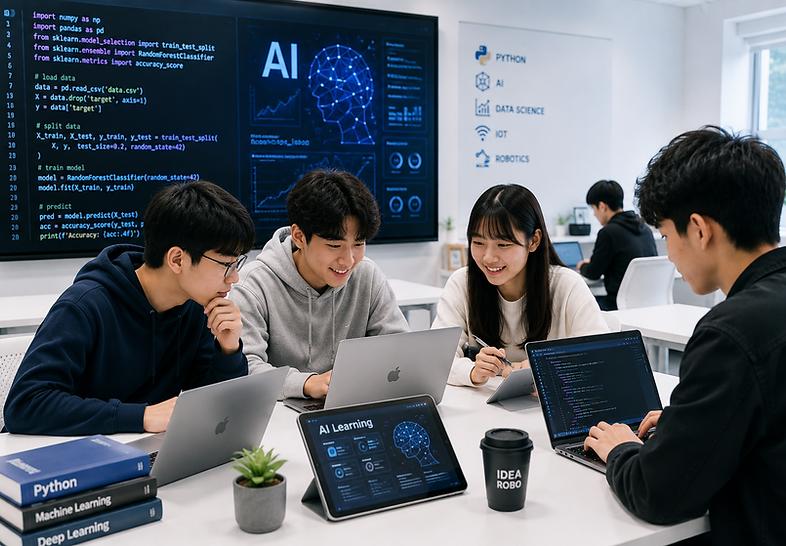
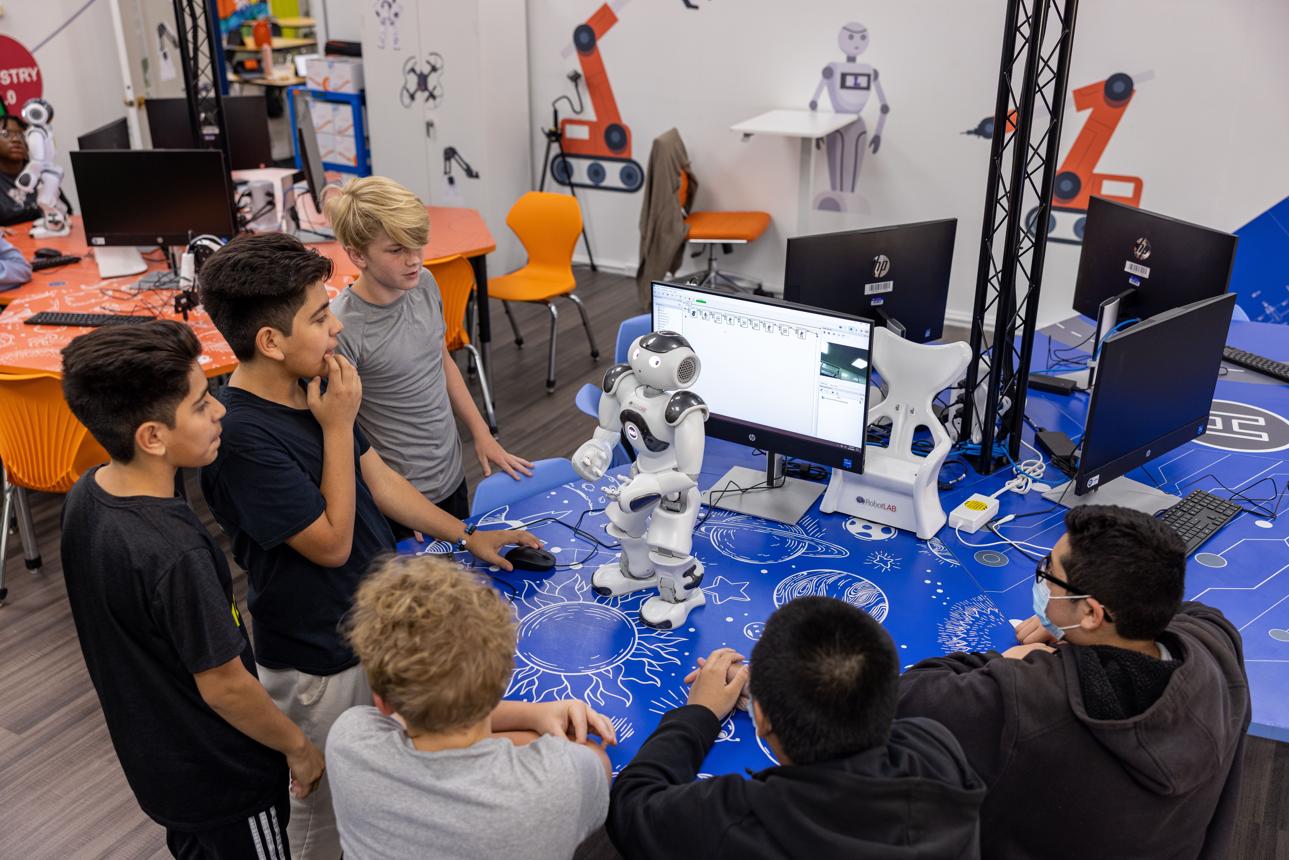
Imagine a middle school classroom where students build small robots and program them to navigate obstacles.
A high school science class could use AI-powered simulations to explore climate change, ocean ecosystems, or human biology.
Students interested in aerospace could design virtual spacecraft and learn about the mathematics involved in space exploration.
An engineering class could challenge students to develop affordable assistive technologies for people with disabilities.
These activities connect academic subjects to practical applications.
Students begin to understand that science and technology are not simply subjects they study for examinations. They are tools that can help solve real-world problems.
STEM education should also begin early.
Elementary school students can participate in age-appropriate coding activities, robotics demonstrations, science experiments, and technology exploration.
By introducing STEM concepts at an early age, schools can encourage curiosity and help students recognize their potential.
6. The Digital Divide: Will Every Student Have an Equal Opportunity?
While artificial intelligence offers tremendous opportunities, not every student has equal access to technology.
Some schools have advanced computer laboratories, reliable broadband, robotics programs, and dedicated technology instructors.
Others struggle with outdated computers, limited internet access, insufficient technology budgets, and shortages of qualified educators.
These differences create a digital divide.
Students without reliable access to computers and the internet may struggle to participate fully in an increasingly technology-driven educational environment.
This challenge is especially important in underserved communities, rural areas, and lower-income neighborhoods.
A student should not have fewer opportunities to learn about artificial intelligence simply because of the ZIP code in which they live.
Closing the digital divide requires cooperation among schools, governments, businesses, foundations, libraries, colleges, and community organizations.
Potential solutions include:
- Expanding affordable broadband access.
- Providing students with laptops and tablets.
- Establishing community technology centers.
- Creating free AI and computer science training programs.
- Developing partnerships with universities and technology companies.
- Offering after-school robotics and coding programs.
- Providing professional development for teachers.
- Creating accessible learning resources for students with disabilities.
Public libraries can also become important technology learning centers.
Libraries already serve as community resources for education, research, and digital access. With additional funding and partnerships, they could offer AI workshops, introductory coding classes, robotics demonstrations, and digital skills training.
The future of AI education must be inclusive.
We cannot build a future-ready workforce while leaving entire communities behind.
7. The Teacher’s Role in the AI Generation
Some people worry that artificial intelligence will eventually replace teachers.
However, education is about much more than delivering information.
Teachers inspire students, build relationships, recognize individual strengths, encourage curiosity, and help young people develop confidence.
These responsibilities remain essential.
In the AI generation, the teacher’s role may become even more important.
Instead of spending most classroom time delivering information, teachers could increasingly serve as learning coaches, project mentors, critical-thinking instructors, and guides.
For example, a teacher could assign students a project examining how AI might help reduce food waste in their community.
Students would research the problem, gather information, use AI tools to explore possible solutions, evaluate the results, and present their findings.
The teacher would guide the process, challenge assumptions, and help students distinguish reliable evidence from unsupported claims.
However, teachers need training and support to make this transition.
Schools should invest in professional development covering:
- AI fundamentals.
- Classroom applications of generative AI.
- AI-assisted lesson planning.
- Digital citizenship.
- Student privacy and data protection.
- Academic integrity.
- Bias and misinformation.
- Responsible AI use.
Teachers should not be expected to figure everything out independently.
Educational institutions must provide training, clear policies, appropriate technology, and time for experimentation.
The objective is not to replace educators with machines.
It is to empower educators with better tools.
8. Preparing Students for Careers That Do Not Exist Yet
One of the most difficult challenges facing educators is preparing students for careers that have not yet been created.
Technology is continuously creating new opportunities.
Some emerging and expanding career areas include:
AI Engineering: Designing and developing artificial intelligence systems.
Robotics Engineering: Building machines that perform tasks in manufacturing, healthcare, transportation, and other industries.
Cybersecurity: Protecting computer systems, networks, and digital information.
Data Science: Analyzing large amounts of information to identify patterns and support decisions.
Renewable Energy Technology: Developing technologies involving solar, wind, battery storage, and other energy systems.
Biotechnology: Applying science and technology to medicine, agriculture, and biological research.
Virtual and Augmented Reality: Creating immersive digital experiences for education, entertainment, healthcare, and industry.
Environmental Technology: Developing innovative solutions to climate change, pollution, and natural resource challenges.
AI Ethics and Governance: Helping organizations develop responsible policies for artificial intelligence.
Schools should introduce students to these career pathways before graduation.
Career exploration should include guest speakers, internships, apprenticeships, job-shadowing opportunities, college partnerships, and hands-on projects.
Students should also understand that future careers will require combinations of technical and human skills.
An engineer must communicate effectively. A healthcare professional must understand technology while demonstrating compassion. A business owner must use data while understanding customers.
The most successful workers will be those who can combine technological knowledge with human creativity and judgment.
9. The Dangers of AI: Academic Integrity, Privacy, and Misinformation
Artificial intelligence creates opportunities, but it also introduces serious challenges.
One concern is academic integrity.
Students can use generative AI tools to produce essays, answer homework questions, summarize books, and complete assignments.
If students rely on AI to do all their work, they may miss important learning experiences.
Schools must establish clear guidelines explaining when AI assistance is acceptable and when independent work is required.
Instead of banning every AI tool, educators should teach students how to use it responsibly.
For example, a teacher might allow students to use AI to brainstorm research topics but require them to independently evaluate sources, write their arguments, and explain their conclusions.
Another major concern is misinformation.
AI systems can generate false information that appears convincing. Students must learn to verify information using credible sources and recognize the difference between facts, opinions, and fabricated content.
Privacy is equally important.
Students may unknowingly enter personal information into AI platforms. Schools must carefully evaluate the tools they introduce and ensure that student information is protected.
Important safeguards include:
- Age-appropriate technology policies.
- Parental awareness and involvement.
- Protection of student records.
- Clear rules about personal information.
- Human oversight of AI-generated decisions.
- Transparency about how AI tools are used.
- Procedures for reporting inappropriate or harmful content.
Schools must also address algorithmic bias.
AI systems can produce unfair or inaccurate results when their training data contains historical inequalities or incomplete information.
Students should understand that technology is developed by people and reflects decisions made during its design.
Responsible AI education must teach students not only what technology can accomplish but also what it can get wrong.
10. Bringing AI Into Every Subject
AI education should not be limited to computer science classrooms.
Artificial intelligence is becoming relevant across nearly every academic discipline.
Schools can integrate AI into existing subjects without abandoning their established educational foundations.
Mathematics
Students can use AI to explore mathematical patterns, practice algebra, visualize geometry, and investigate statistics. They should still demonstrate that they understand how to solve problems independently.
Science
Students can examine scientific data, simulate experiments, explore ecosystems, and investigate the applications of AI in medicine, biology, physics, and chemistry.
English and Language Arts
AI can support vocabulary development, grammar practice, brainstorming, and language learning. Students should continue developing original writing, reading comprehension, and communication skills.
History and Social Studies
Students can investigate historical events, compare sources, explore historical perspectives, and evaluate how algorithms influence information distribution.
Art and Design
Students can explore digital illustration, animation, music production, graphic design, and creative technologies while learning about originality and intellectual property.
Business and Economics
Students can examine how companies use AI for marketing, customer service, forecasting, and business operations.
Environmental Studies
Students can explore how AI supports wildlife monitoring, ocean conservation, weather forecasting, and climate research.
This interdisciplinary approach demonstrates that AI is not an isolated subject.
It is a technology that connects multiple areas of human knowledge.
11. The Importance of Creativity and Human Intelligence
As artificial intelligence becomes more capable, schools must place greater emphasis on uniquely human abilities.
Creativity, empathy, leadership, communication, ethical judgment, and collaboration will remain essential.
AI can generate ideas, but people must decide which ideas are meaningful and beneficial.
AI can analyze information, but people must determine how that information should be used.
AI can assist with medical research, but healthcare professionals must consider the human experience of patients.
AI can help design a business, but entrepreneurs must understand the needs and concerns of the people they serve.
Students should participate in activities that develop creativity and independent thinking.
They should build things, conduct experiments, write original stories, debate important issues, create artwork, and work together to solve problems.
Schools should also encourage students to question technology.
What problems should AI solve?
Who benefits from an AI system?
Could the technology cause harm?
How can we make it more accessible?
These questions develop thoughtful innovators rather than passive technology consumers.
The future needs people who can use artificial intelligence while maintaining their own judgment, imagination, and humanity.
12. What Schools Should Start Doing Today
The transition toward AI-ready education does not have to happen overnight.
Schools can begin with practical steps that gradually build technological understanding and institutional capacity.
Here are ten recommendations for schools and educational leaders.
1. Establish AI Literacy Programs
Introduce age-appropriate lessons explaining artificial intelligence, algorithms, machine learning, and responsible technology use.
2. Expand Computer Science Education
Provide students with opportunities to learn coding, computational thinking, robotics, and digital problem-solving.
3. Train Teachers
Invest in professional development so educators understand how AI can support teaching and learning.
4. Build Technology Partnerships
Work with universities, technology companies, nonprofits, and community organizations to expand educational opportunities.
5. Create AI Innovation Labs
Establish spaces where students can experiment with robotics, coding, digital design, and AI applications.
6. Expand Career and Technical Education
Connect AI education with healthcare, engineering, manufacturing, cybersecurity, business, and other career pathways.
7. Improve Technology Access
Ensure students have reliable devices, internet connectivity, and appropriate learning resources.
8. Develop Responsible AI Policies
Establish guidelines addressing privacy, academic integrity, bias, transparency, and age-appropriate technology.
9. Encourage Student-Led Innovation
Allow students to identify community problems and develop technology-based solutions.
10. Measure Results
Evaluate whether students are developing practical skills, demonstrating critical thinking, and gaining access to meaningful career opportunities.
The most important step is to move beyond simply purchasing technology.
Schools must develop an educational strategy that connects technology to measurable student outcomes.
13. A New Vision: The AI-Ready School of 2030
What might a successful AI-ready school look like by 2030?
Imagine students entering a school where technology is integrated into everyday learning.
The school has an AI innovation laboratory equipped with computers, robotics kits, digital fabrication tools, and interactive learning systems.
Students work on real-world challenges rather than simply completing disconnected assignments.
An elementary school student learns basic coding by programming a small robot.
A middle school student uses environmental data to investigate water quality in a local stream.
A high school student works with classmates to develop an AI-assisted application that helps older adults access community services.
Another student participates in a cybersecurity competition or designs an assistive device for people with disabilities.
Teachers guide projects and help students understand the academic, social, and ethical implications of their work.
Local businesses and colleges provide mentors, internships, and opportunities for students to explore career pathways.
Parents participate in digital literacy workshops and learn how to support responsible technology use at home.
The school becomes more than a place where students receive information.
It becomes an innovation center where young people develop the knowledge and confidence to shape the future.
This vision is achievable, but it requires investment, planning, leadership, and a commitment to educational equity.
14. The Role of Parents and Communities
Preparing the AI generation cannot be the responsibility of schools alone.
Parents, families, libraries, community organizations, businesses, and colleges all have important roles to play.
Parents can encourage children to explore technology, ask questions, experiment with educational applications, and develop healthy digital habits.
Families should also discuss the importance of privacy, online safety, responsible AI use, and independent thinking.
Community organizations can help expand access to technology education, especially in neighborhoods where schools have limited resources.
Businesses can support schools through equipment donations, internships, mentorship programs, and financial partnerships.
Colleges and universities can provide workshops, summer programs, and opportunities for high school students to explore advanced STEM subjects.
Local libraries can become accessible learning environments where students and adults develop AI literacy.
When communities work together, technology education becomes a shared investment in the future.
This is especially important for communities that have historically experienced barriers to educational and economic opportunity.
The next generation of innovators should come from every neighborhood, every background, and every income level.
15. The Future Belongs to Students Who Know How to Learn
Perhaps the most important lesson of the AI revolution is that education must become a lifelong process.
The technology students learn today may change dramatically within a few years.
New programming languages, AI platforms, engineering tools, and digital industries will continue to emerge.
Students cannot depend entirely on what they learn in elementary school, middle school, high school, or college.
They must develop the ability to learn continuously.
Schools should teach students how to ask better questions, investigate unfamiliar subjects, evaluate information, experiment with new ideas, and adapt when circumstances change.
These abilities will help students remain relevant regardless of which technologies dominate the future.
The most important skill may not be knowing how to use one particular AI application.
It may be knowing how to learn something new when the next major technological breakthrough arrives.
Conclusion: Are We Preparing Students for the Future, or the Past?
The AI generation is growing up in one of the most transformative periods in human history.
Artificial intelligence is changing industries, creating new opportunities, challenging traditional employment models, and redefining the relationship between people and technology.
Education must respond.
Schools cannot continue preparing students exclusively for a world that existed decades ago. They must prepare young people for a world where technology, creativity, innovation, and human intelligence work together.
That means modernizing classrooms, expanding STEM education, improving digital access, training teachers, protecting student privacy, and teaching responsible AI use.
It also means recognizing that every student deserves the opportunity to understand and participate in the technologies shaping the future.
We should not measure educational success simply by how many computers a school owns or how many AI applications students can access.
We should measure success by whether students can think independently, solve meaningful problems, create new ideas, evaluate information, and use technology to improve the world around them.
The next generation should not simply inherit artificial intelligence.
It should help shape it.
Our schools have an extraordinary opportunity to prepare students to become the scientists, engineers, educators, entrepreneurs, researchers, artists, and innovators of tomorrow.
But that opportunity requires action today.
The question is no longer whether artificial intelligence will change education. It already has. The real question is whether our education system is prepared to change with it.
The future is entering the classroom.
Are we ready?
STEM Nastics Magazine: The Future Starts in the Classroom
Discussion Questions: Let’s Talk About the AI Generation
- Should artificial intelligence literacy become a required subject in every school?
- Are students learning enough about robotics, coding, and computer science?
- Should schools allow students to use AI when completing assignments?
- How can underserved communities gain equal access to AI education?
- What skills will students need most to succeed in 2030 and beyond?
Student Challenge:
Imagine you are the principal of a school in 2030. Design a classroom, program, or invention that uses artificial intelligence to improve education. Explain the problem your idea solves and how it benefits students.
STEM Nastics Editorial Takeaway
Explore. Create. Innovate. Inspire.
The AI generation deserves an education that prepares students to become creators of technology, not simply consumers of it.
Our mission: Encourage curiosity, promote STEM education, expand access to innovation, and inspire the next generation of problem-solvers.
Suggested article categories: AI & Robotics | STEM Education | Future Careers | Technology & Innovation
SEO title: The AI Generation: Are Schools Preparing Students for the Future?
SEO description: Discover how artificial intelligence is transforming education, why AI literacy matters, and what schools must do to prepare students for careers and opportunities in the future.
Editorial note: Before publication, consider adding current statistics and citations from the U.S. Department of Education, UNESCO, the National Science Foundation, and other authoritative education and workforce research organizations.