How Community-Based STEM Centers Can Empower Baltimore’s Next Generation of Innovators
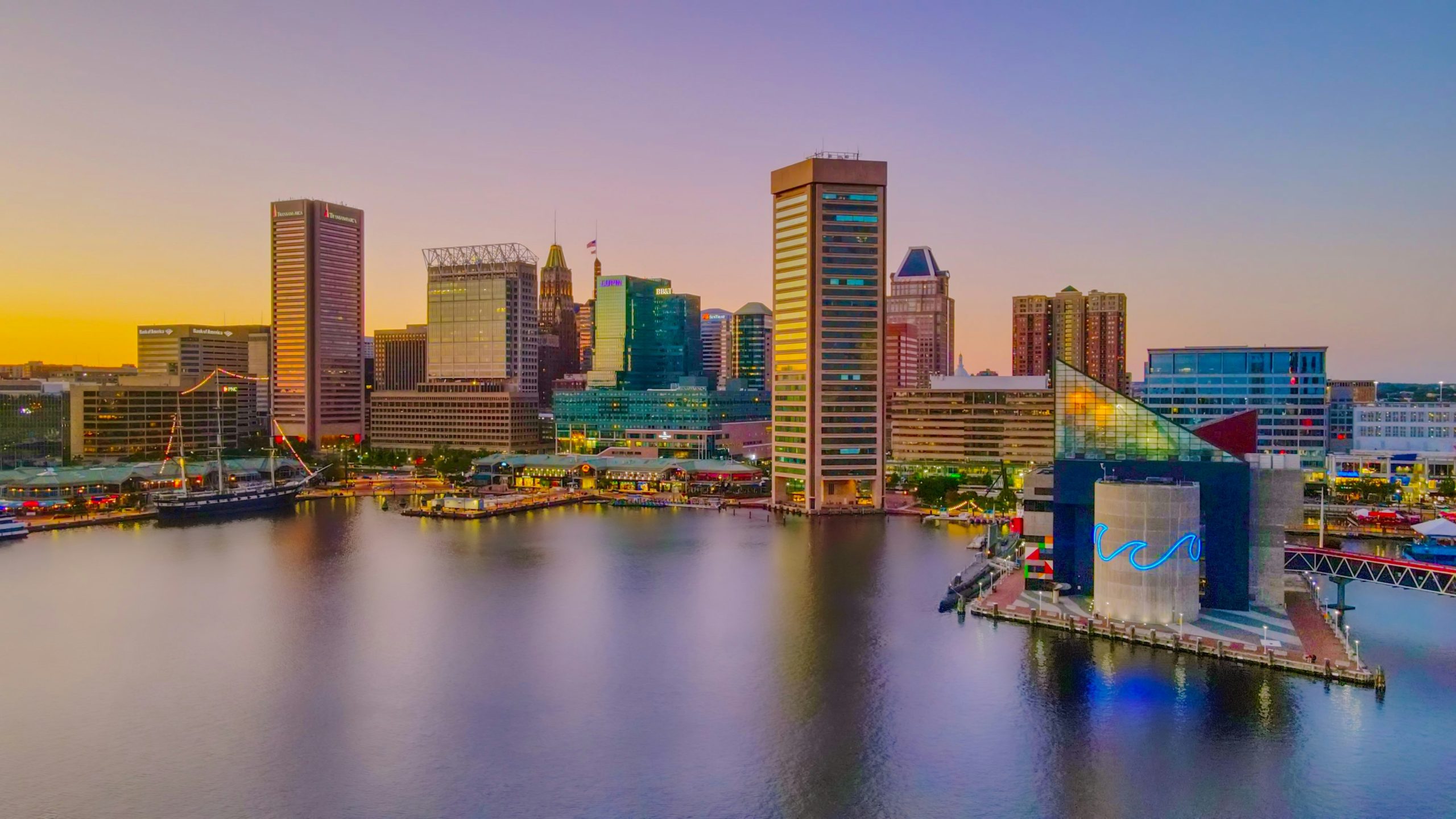
What if the next great scientist, software engineer, robotics designer, or artificial intelligence innovator grew up in a Baltimore neighborhood that has never had access to a technology laboratory?
Across America, science, technology, engineering, and mathematics (STEM) are transforming industries, creating new careers, and changing how people live and work. But not every young person has equal access to the resources, equipment, training, and educational opportunities needed to participate in this transformation.
For neighborhoods facing economic challenges, bringing STEM education directly into the community could become a powerful tool for opportunity and change.
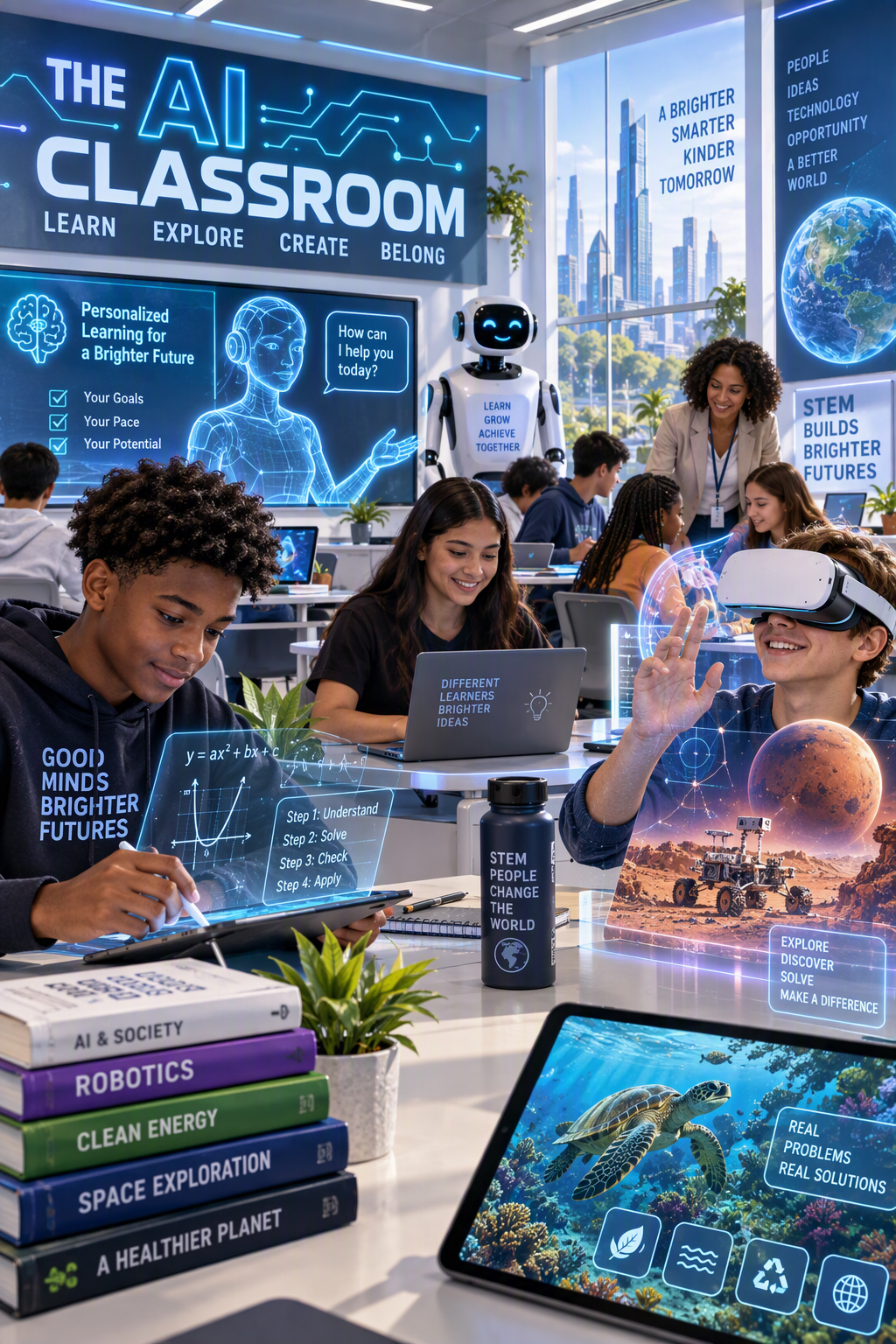
Baltimore has an opportunity to think beyond traditional classrooms and create community-based STEM learning centers where young people can explore technology, develop practical skills, and discover their potential as tomorrow’s innovators.
Bringing STEM Education Into the Neighborhood
Imagine transforming an unused community building, recreation center, library, or neighborhood facility into a modern STEM learning center.
These centers could offer hands-on learning experiences in:
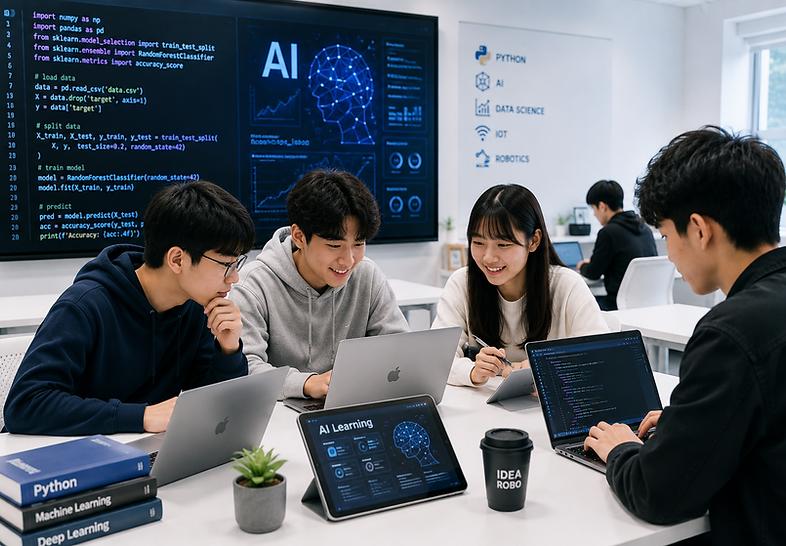
- Artificial Intelligence: Introduce students and families to AI tools, responsible AI, machine learning, and real-world applications.
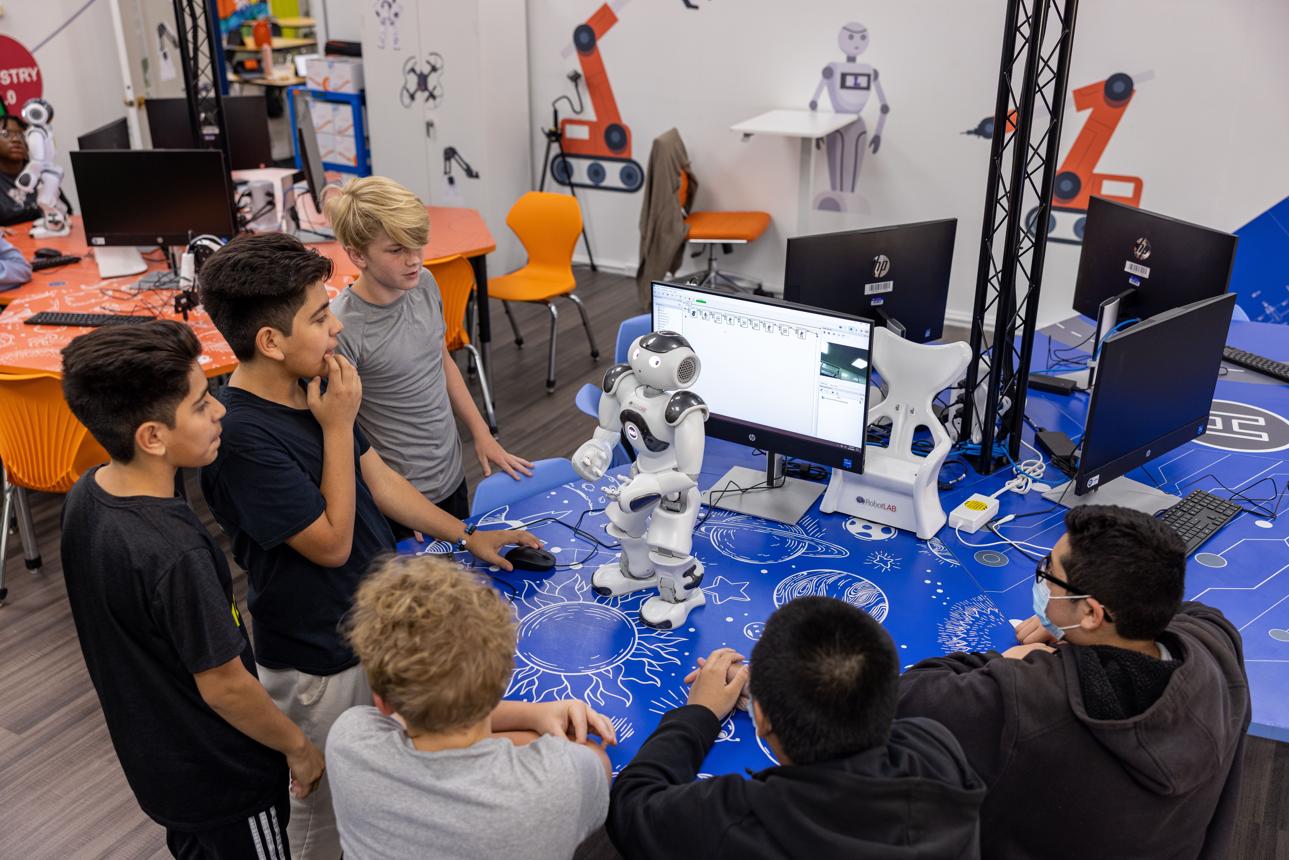
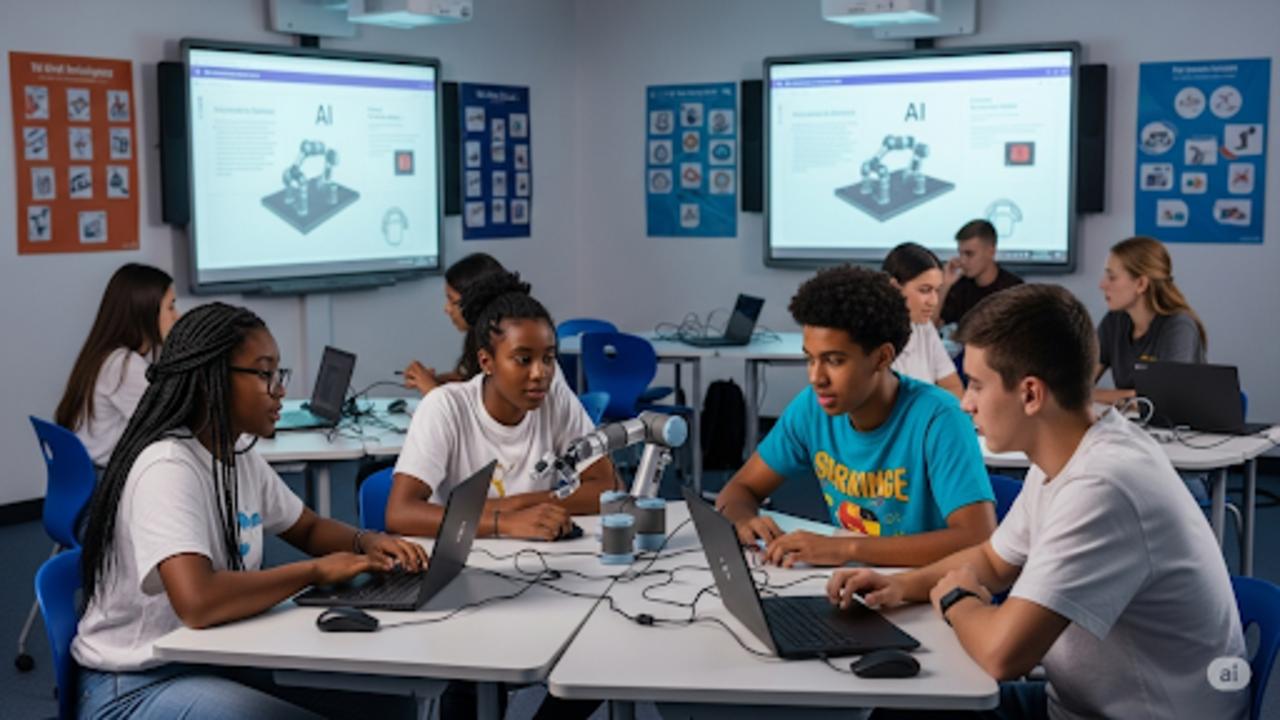
- Robotics: Give students opportunities to build, program, and operate robots.
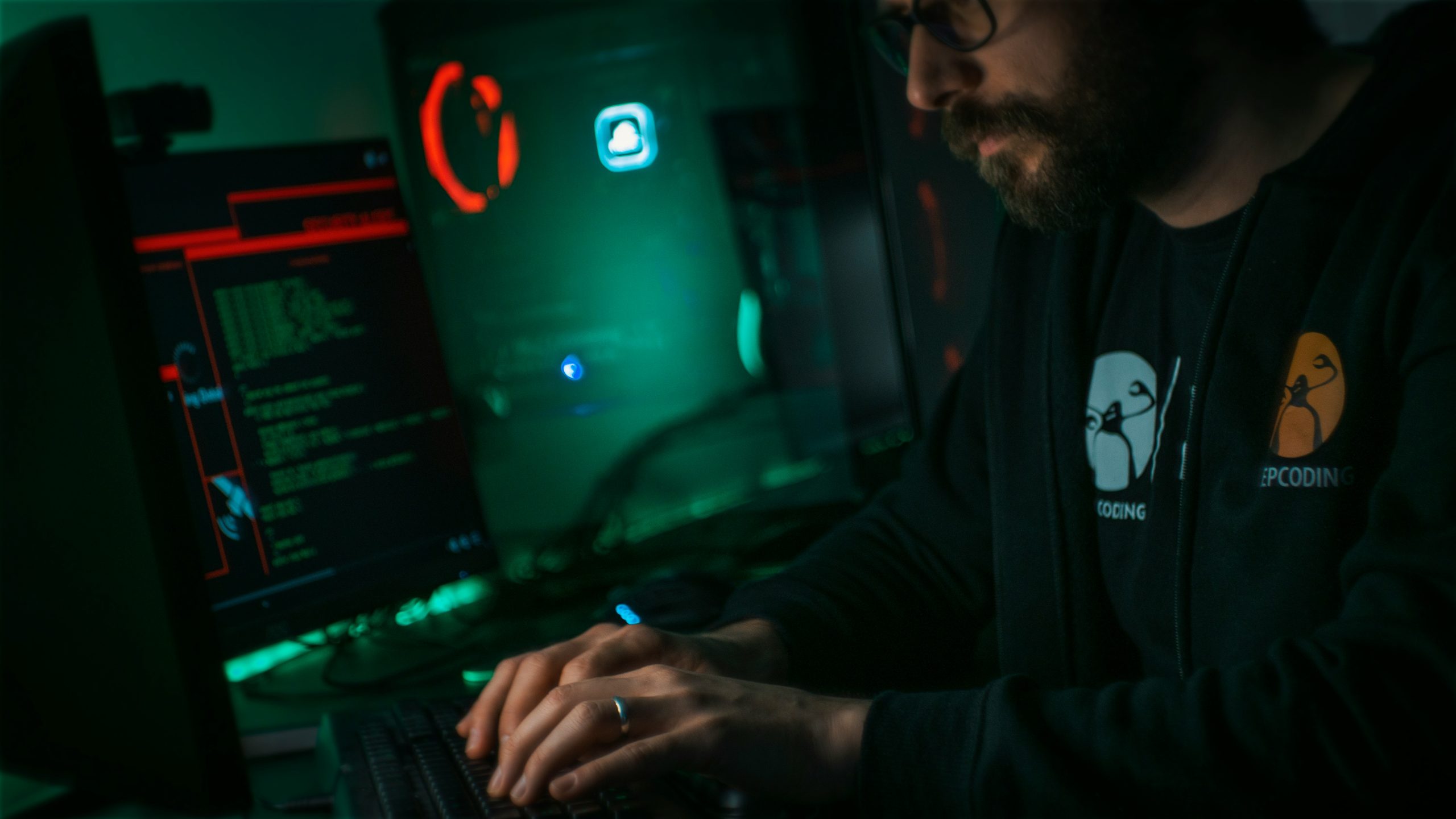
- Computer Science: Teach coding, software development, cybersecurity, and app creation.
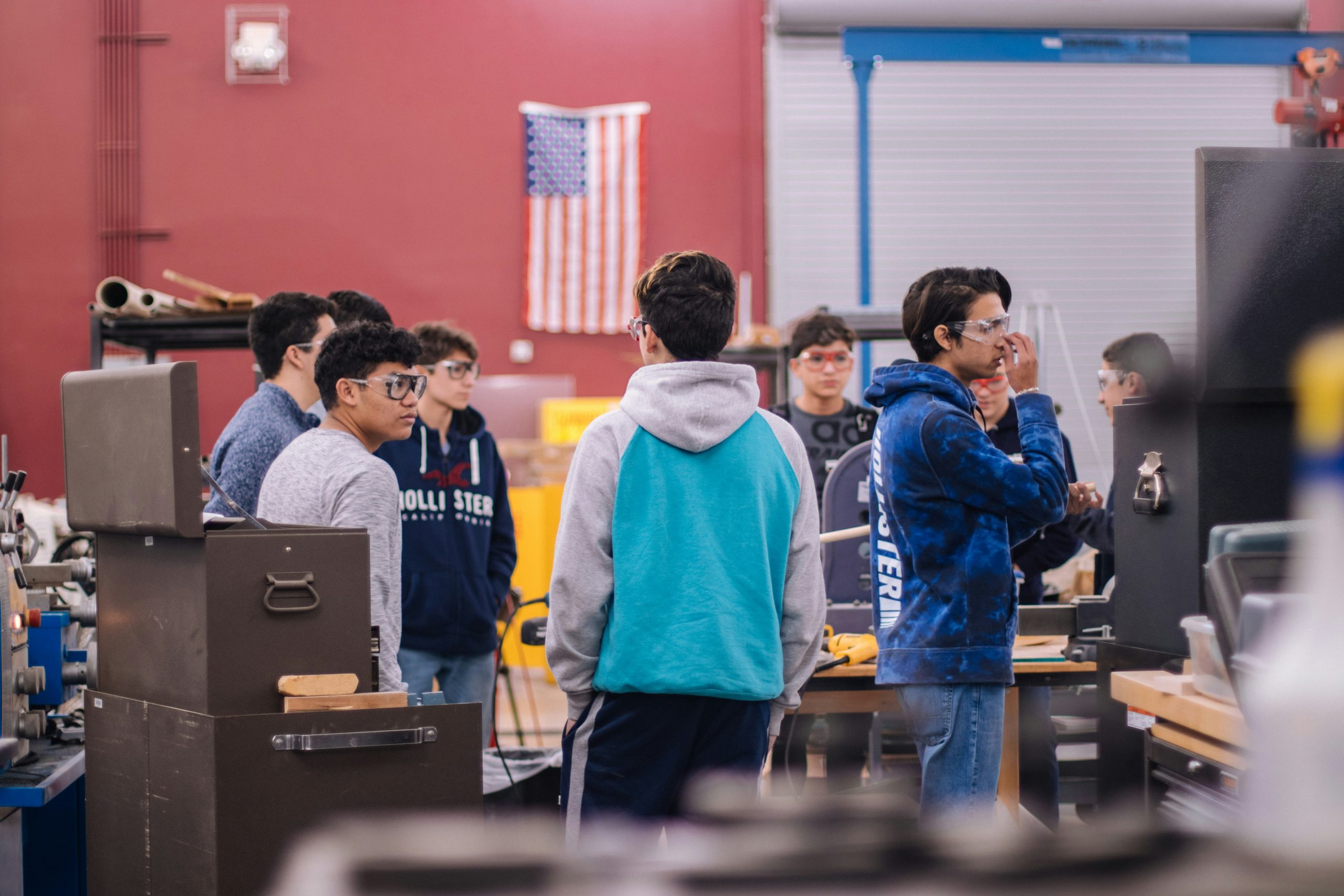
- Engineering: Encourage students to design, build, experiment, and solve problems.
- Digital Media: Explore animation, video production, gaming, graphic design, and digital storytelling.
- Environmental Science: Introduce climate technology, renewable energy, water conservation, and ocean science.
Rather than requiring families to travel long distances for technology education, STEM opportunities would become part of the neighborhoods where they live.
After-School Robotics: Learning by Creating
One of the most effective ways to introduce young people to engineering and technology is through hands-on experiences.
After-school robotics programs could allow Baltimore students to work in teams, build robotic vehicles, program sensors, and participate in local robotics competitions.
Students could learn how robots are used in hospitals, manufacturing, transportation, agriculture, space exploration, and emergency response.
These experiences help develop more than technical knowledge. They encourage teamwork, communication, creativity, critical thinking, and problem-solving.
A neighborhood robotics competition could even bring together schools, community organizations, universities, and local businesses.
AI Education for the Entire Family
Artificial intelligence is changing the workplace, education, healthcare, transportation, and business.
However, AI education should not be limited to students attending specialized schools or universities.
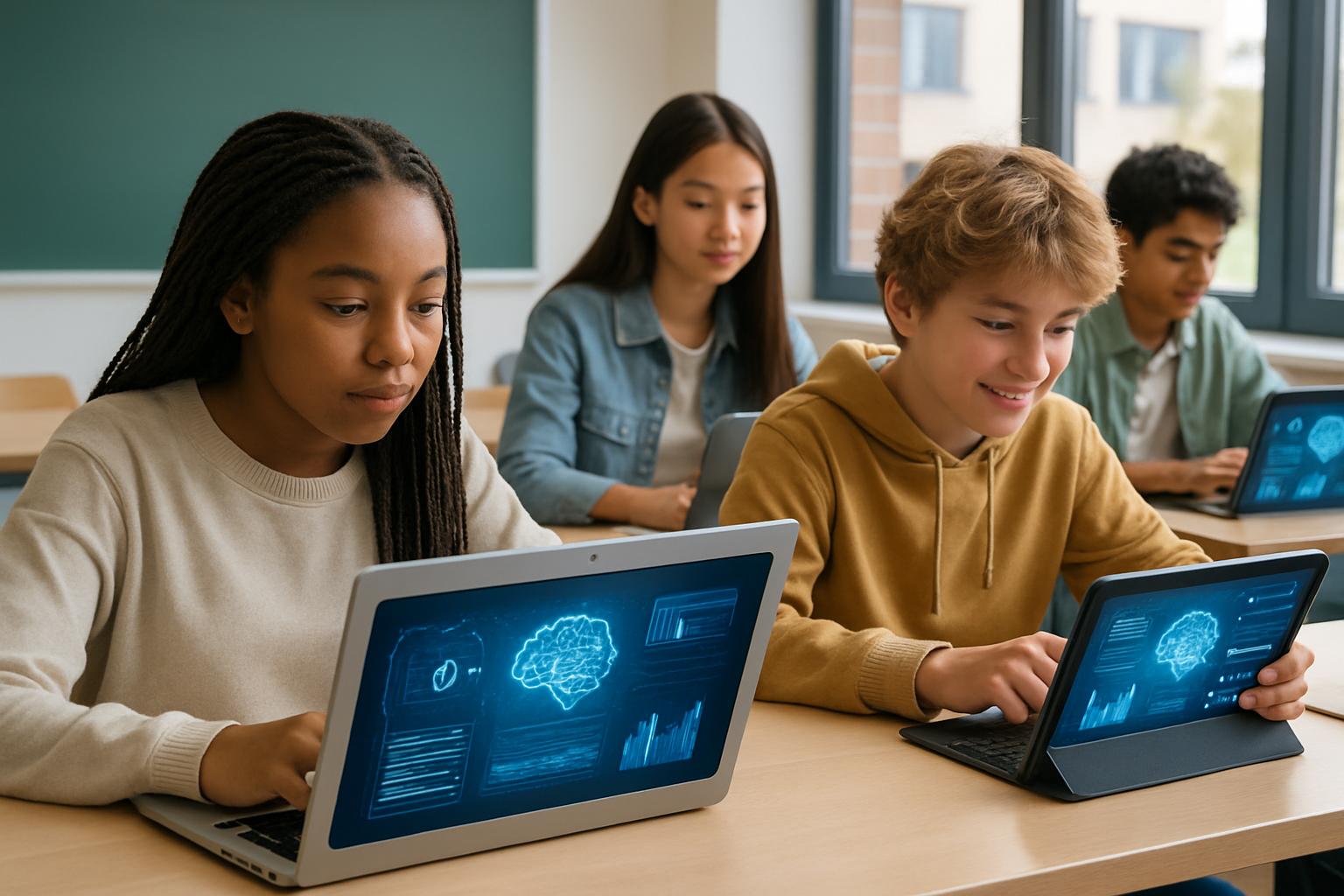
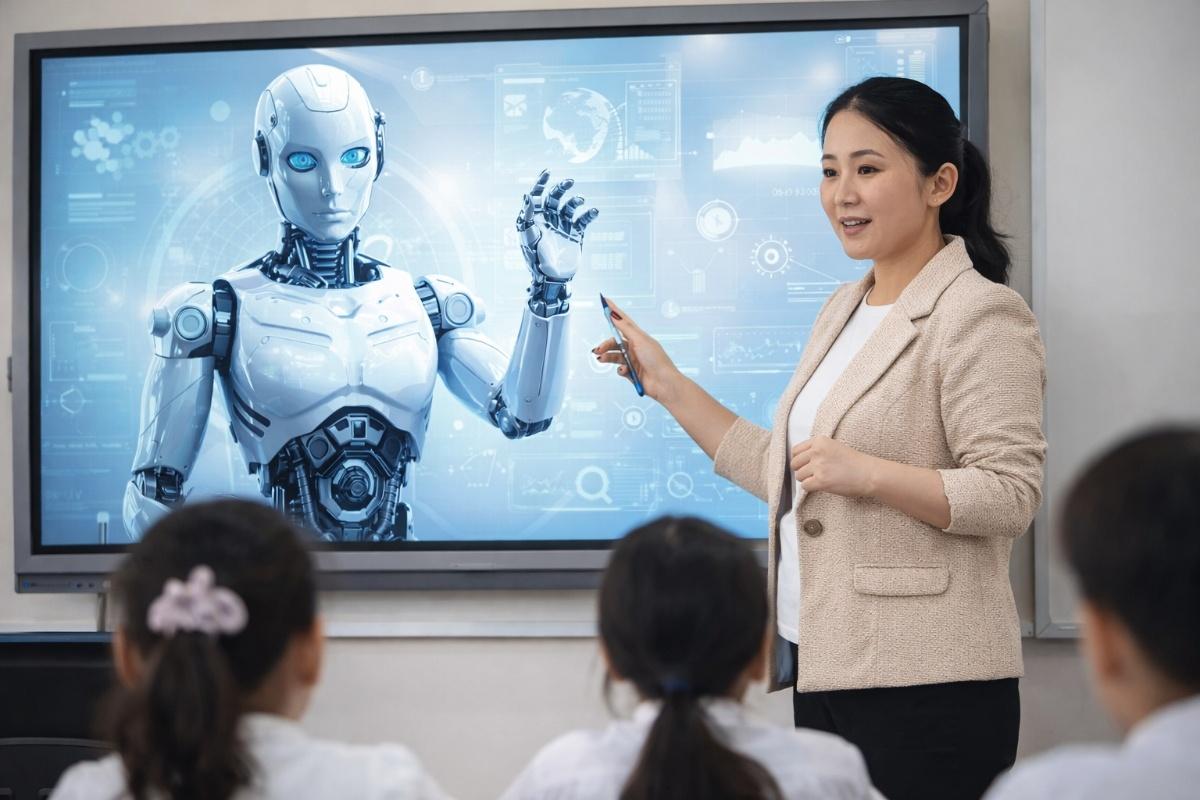
Baltimore could introduce family-centered AI workshops that help children, parents, grandparents, and seniors understand how artificial intelligence works and how to use it responsibly.
Programs could include:
- Introduction to ChatGPT and other AI tools.
- AI for small businesses and entrepreneurs.
- Digital literacy and online safety.
- AI-assisted homework and learning.
- Introduction to coding and automation.
- Understanding AI ethics, privacy, and misinformation.
By making AI education accessible to entire families, communities can become better prepared for a technology-driven economy.
Building Partnerships That Create Opportunities
Community STEM centers do not have to operate alone. Their success could depend on partnerships with organizations that already possess educational resources, technology, expertise, and funding.
Potential partners include:
Baltimore universities: Institutions such as Morgan State University, Johns Hopkins University, and the University of Maryland, Baltimore County could help provide mentors, instructors, student volunteers, and educational partnerships.
Public schools and libraries: Schools and libraries could connect students and families with STEM programs, computers, learning materials, and technology workshops.
Technology companies: Businesses could contribute equipment, software, training, internships, mentorship, and sponsorships.
Community organizations: Neighborhood associations, nonprofits, recreation centers, and youth organizations could provide locations and help connect programs with families.
These partnerships could create a pipeline that takes students from introductory STEM activities to advanced education, internships, certifications, and employment.
Preparing Baltimore’s Next Generation of Innovators
The future workforce will need people who understand technology and know how to apply it to real-world problems.
Community STEM programs could introduce students to careers such as:
- Artificial intelligence engineer.
- Robotics technician.
- Software developer.
- Cybersecurity analyst.
- Aerospace engineer.
- Renewable energy specialist.
- Biomedical engineer.
- Video game developer.
- Data scientist.
- Environmental technology specialist.
Students should also have opportunities to meet professionals working in these industries, visit laboratories, participate in internships, and explore college and technical training programs.
The goal is not simply to teach young people how to use technology. It is to empower them to create it.
A Baltimore Community STEM Innovation Initiative
Imagine launching a pilot program in several Baltimore neighborhoods, with each location serving as a neighborhood technology and innovation hub.
The initiative could begin with donated computers, robotics kits, internet access, volunteer instructors, and partnerships with local educational institutions.
A potential program model could include:
| Program | Community benefit |
|---|---|
| STEM Saturdays | Hands-on science and technology activities |
| Robotics After School | Engineering and programming skills |
| Family AI Academy | AI education for all generations |
| Girls in STEM | Encouraging girls to pursue technology careers |
| Youth Innovation Challenge | Students develop solutions to community problems |
| STEM Career Days | Connecting students with industry professionals |
Students could also participate in an annual Baltimore Youth Innovation Challenge, presenting projects that address local challenges involving transportation, public safety, environmental protection, education, and healthcare.
Winning teams could receive scholarships, equipment, mentorship, and opportunities to present their ideas to business and university leaders.
Innovation Begins With Access
Baltimore does not have to wait for the next generation of innovators to discover technology on their own.
Communities can help create that opportunity by investing in accessible education, technology resources, mentorship, and partnerships.
A young person who builds their first robot in a neighborhood recreation center could become an engineer. A teenager who learns to code at a local library could become a software developer. A parent who attends an AI workshop could use those skills to start a business.
The possibilities are enormous.
The next generation of innovators is already living in our communities. What they need is access, encouragement, resources, and an opportunity to create.
The future of STEM education should not depend on which neighborhood a child grows up in. It should be available to every community.
STEM Nastics Magazine
Explore. Create. Innovate. Inspire.
The mission: Bringing science, technology, engineering, and mathematics closer to the people and communities that need opportunity the most.