Who Is Preparing the Next Generation of Scientists, Engineers, Programmers, and Technology Entrepreneurs?
The future of technology is being shaped in classrooms, laboratories, robotics centers, and universities around the world. As China and the United States compete for leadership in artificial intelligence, robotics, engineering, and scientific discovery, one important question emerges: Which country is doing more to prepare its young people for the jobs and innovations of tomorrow?
The Next Generation Is Already Competing
The global competition for technological leadership is no longer taking place exclusively inside corporate research laboratories or government facilities. It is happening in classrooms, vocational schools, universities, and after-school STEM programs.
Two countries stand at the center of this competition: China and the United States.
Both recognize that the next generation of scientists, engineers, computer programmers, artificial intelligence specialists, and technology entrepreneurs will help determine the economic and technological direction of the world.
However, their approaches to preparing young people are different.
China has increasingly emphasized coordinated national investment, technical education, advanced manufacturing, robotics, and artificial intelligence. The United States has built an educational and innovation ecosystem around universities, private-sector research, entrepreneurship, scientific discovery, and technological creativity.
Both approaches offer valuable lessons. But as technology advances, the challenge for America is ensuring that students from every community have access to the tools and opportunities needed to participate in the future economy.
1. China’s Investment in STEM Education
China has made STEM education an important component of its long-term economic and technological development strategy.
Its educational priorities include mathematics, engineering, computer science, robotics, artificial intelligence, advanced manufacturing, and scientific research.
One particularly important area is the connection between education and industry.
Rather than limiting technical education to textbooks and traditional classroom instruction, China has invested in programs that allow students to work directly with industrial equipment and technologies.
Students can learn how machines operate, how robots are programmed, how automated manufacturing systems function, and how engineering principles are applied in real workplaces.
This approach helps connect academic knowledge with practical employment opportunities.
Inside a Chinese Robotics Classroom
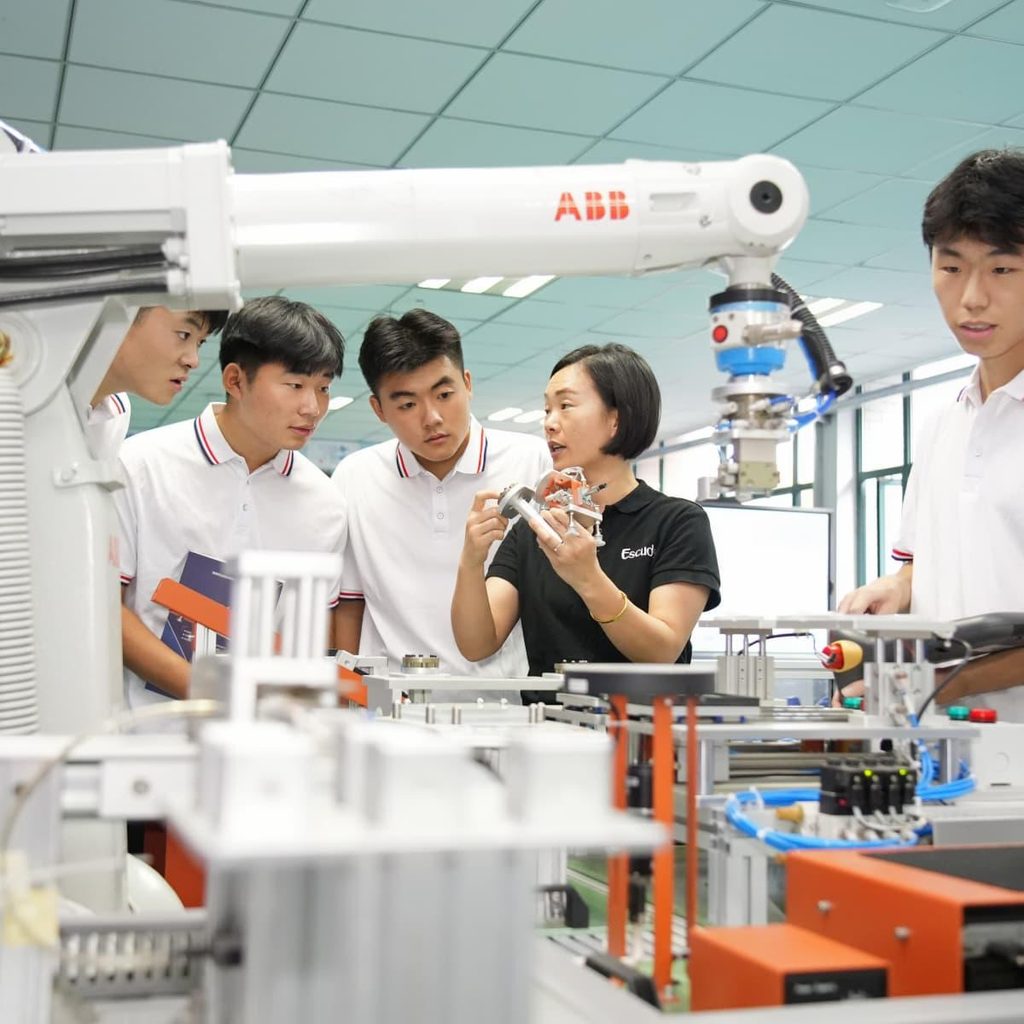
An excellent example can be found at Guangzhou Light Industry Vocational School.
In a 2022 case study published by ABB Robotics, the company described its partnership with the Chinese vocational school to prepare students for careers in robotics and intelligent manufacturing.
The school introduced its robotics major in 2011 and began working with ABB industrial robots in 2012.
The partnership eventually expanded to include 29 sets of ABB industrial robots.
Students receive hands-on instruction in:
- Industrial robot operation.
- Computer programming and robotic simulation.
- Automated manufacturing.
- Welding and industrial applications.
- Robot maintenance and troubleshooting.
- Engineering and production-line management.
The school also established an Industrial Robot Application-Oriented Talent Training Center covering more than 1,000 square meters.
Students use professional robotics equipment and simulation software to practice skills that are relevant to modern manufacturing.
According to ABB’s published case study, approximately 300 students are recruited annually into the robotics major. Of the 700 robotics graduates reported since the program began, 70% pursued further education.
The school also participates in robotics innovation competitions, giving students opportunities to design and develop practical solutions.
One student project involved designing a robotic waste-sorting system.
This example demonstrates an important educational principle: students learn technology more effectively when they have opportunities to build, program, experiment, and solve real-world problems.
Source: ABB Robotics, Guangzhou Light Industry Vocational School case study, September 6, 2022.
2. America’s Strengths and Weaknesses in STEM Education
The United States has some of the world’s most influential universities, research institutions, technology companies, and entrepreneurial communities.
American institutions have played important roles in developing personal computing, the internet, biotechnology, aerospace technology, artificial intelligence, and advanced medical equipment.
The country also benefits from strong partnerships between universities, government research agencies, technology companies, and startup businesses.
Organizations such as NASA, the National Science Foundation, and the Department of Energy support scientific research and educational opportunities.
American universities attract talented students and researchers from around the world.
However, the United States also faces significant challenges in preparing its younger students for an increasingly technology-driven economy.
According to the National Science Board’s 2026 report, The State of U.S. Science and Engineering, American elementary and middle school students have experienced declines in mathematics and science performance compared with pre-pandemic levels.
In 2023, U.S. eighth-grade students performed at about or below international averages in science, mathematics, and computer and information literacy assessments.
This raises important questions about whether American schools are adequately preparing students for careers in advanced technology.
The STEM Opportunity Gap
One challenge is unequal access to educational resources.
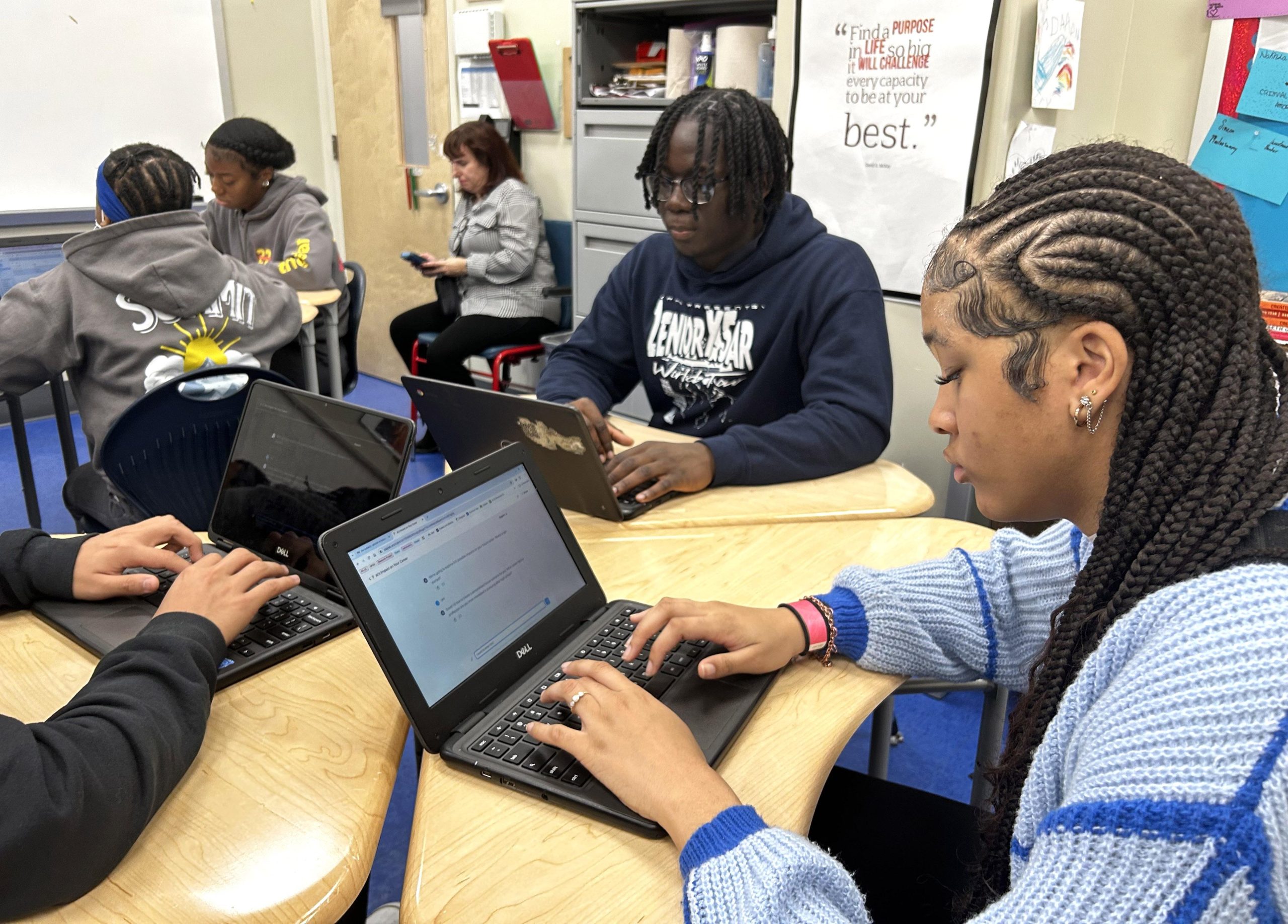
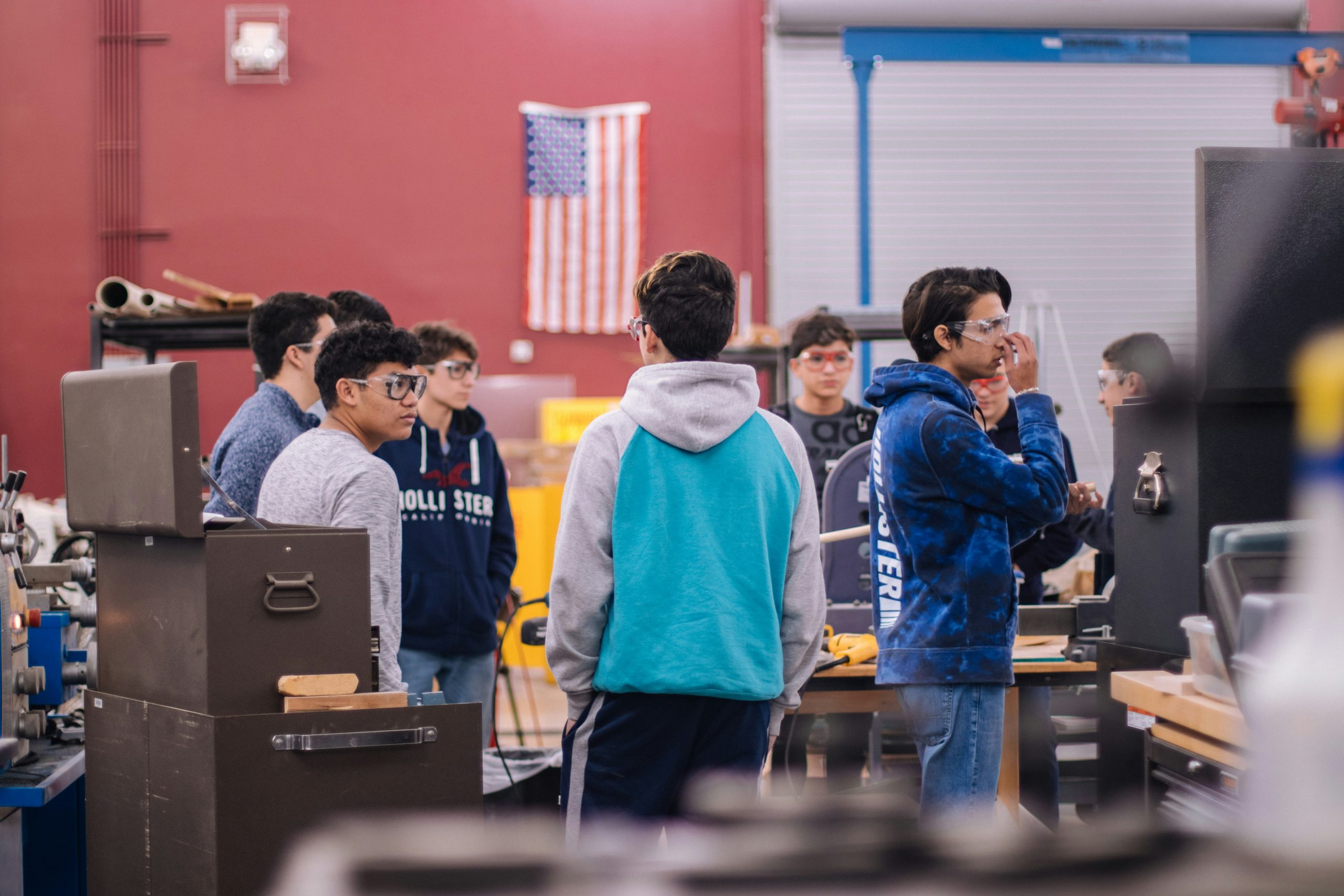
Some schools have advanced robotics laboratories, computer science programs, engineering equipment, and dedicated STEM instructors.
Other schools struggle with outdated computers, limited funding, insufficient technology training, and shortages of qualified teachers.
Students in economically disadvantaged communities may have fewer opportunities to participate in robotics competitions, coding programs, artificial intelligence workshops, and advanced science courses.
This creates an opportunity gap.
America cannot expect to develop a globally competitive technology workforce if large numbers of students never receive meaningful exposure to the technologies shaping the future.
The challenge is not simply getting more students interested in STEM. It is making sure they have access to the resources, teachers, and practical experiences necessary to succeed.
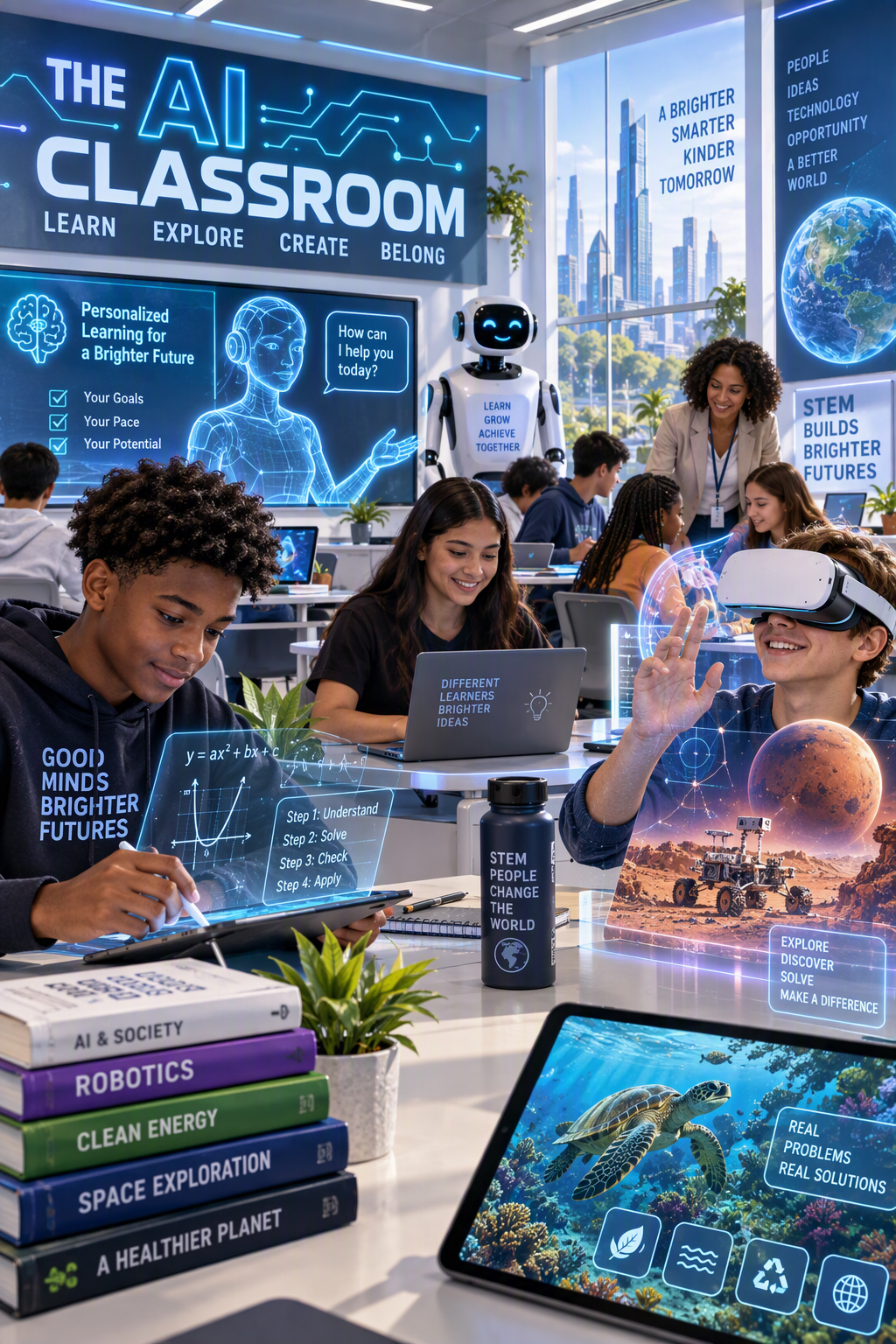
3. Robotics and Artificial Intelligence: The New Classroom Revolution
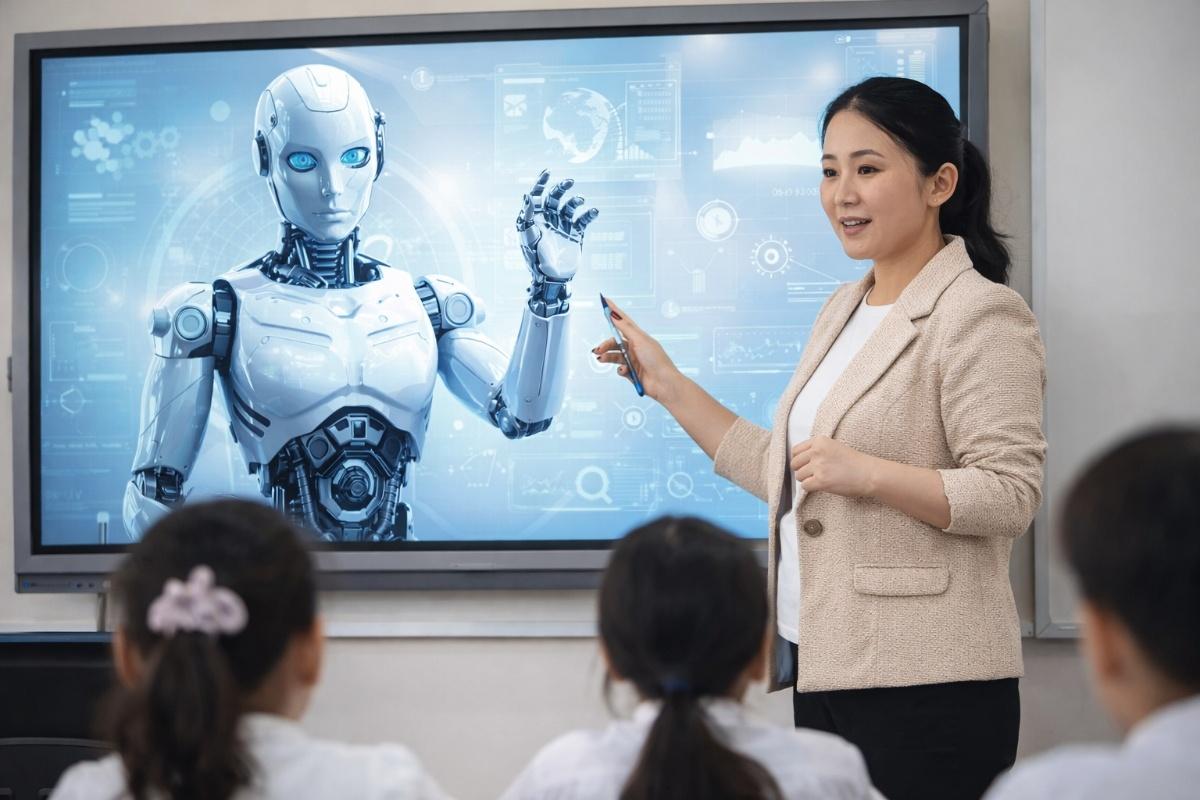
Two technologies are transforming the future of education and employment: robotics and artificial intelligence.
Robotics is changing manufacturing, transportation, healthcare, agriculture, construction, and logistics.
Artificial intelligence is transforming software development, scientific research, business operations, communication, and education.
Students entering the workforce over the next decade will increasingly need to understand how these technologies work.
Robotics Education
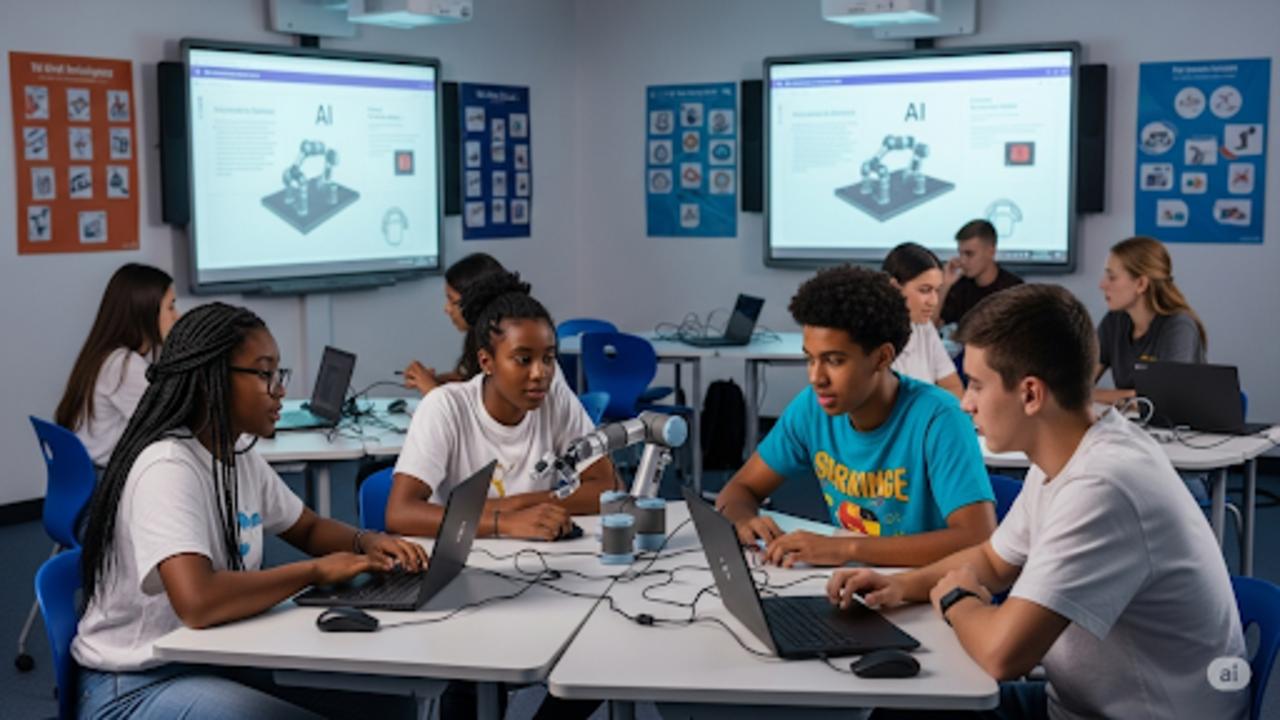
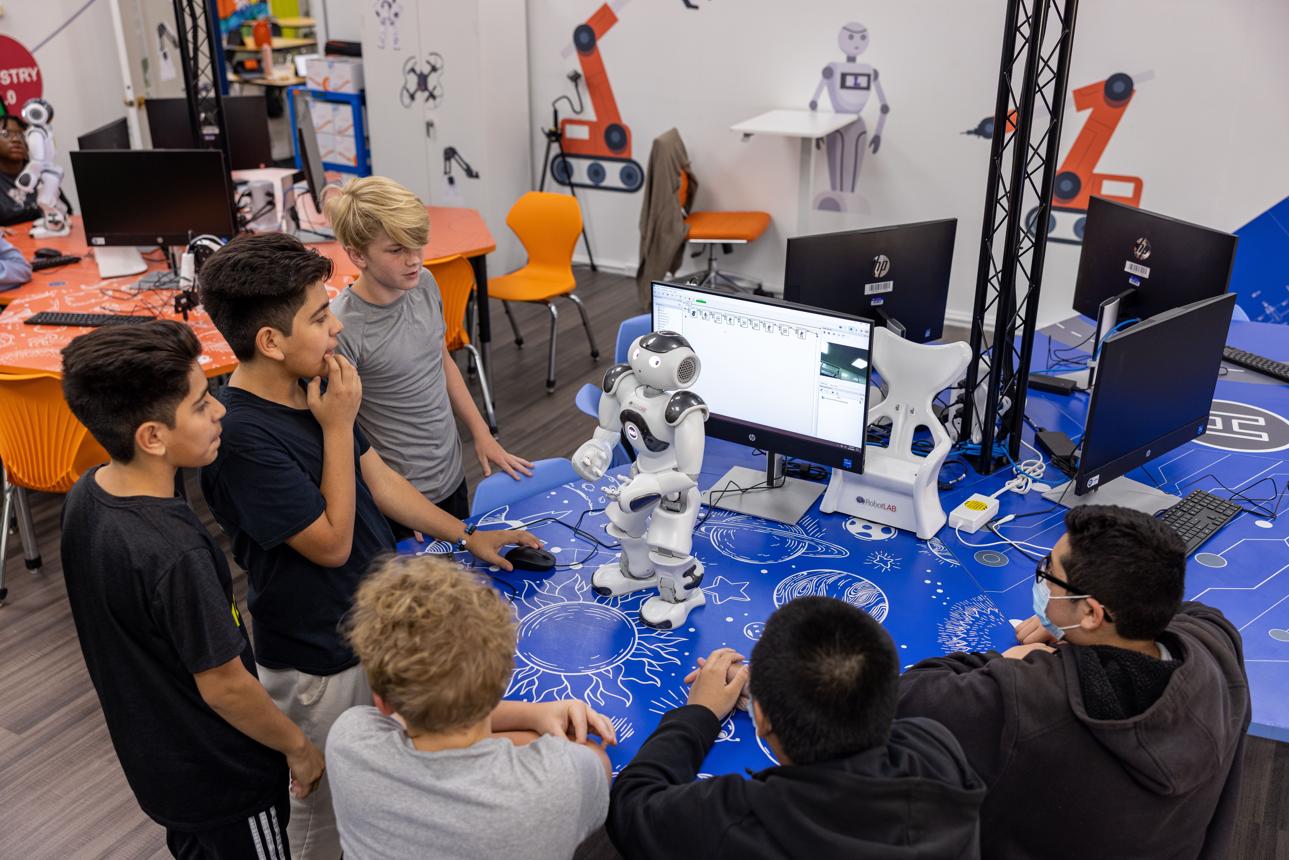
Robotics provides students with an opportunity to combine several STEM disciplines into one learning experience.
Building a robot requires mathematics, engineering, programming, creativity, and problem-solving.
Students learn how to design mechanical systems, connect electronic components, write software instructions, and test their creations.
Instead of simply reading about engineering, they become engineers in the classroom.
China’s partnership with ABB demonstrates how schools can bring professional industrial technologies into technical education.
American schools can develop similar partnerships with robotics manufacturers, engineering companies, universities, and local technology businesses.
Artificial Intelligence Education
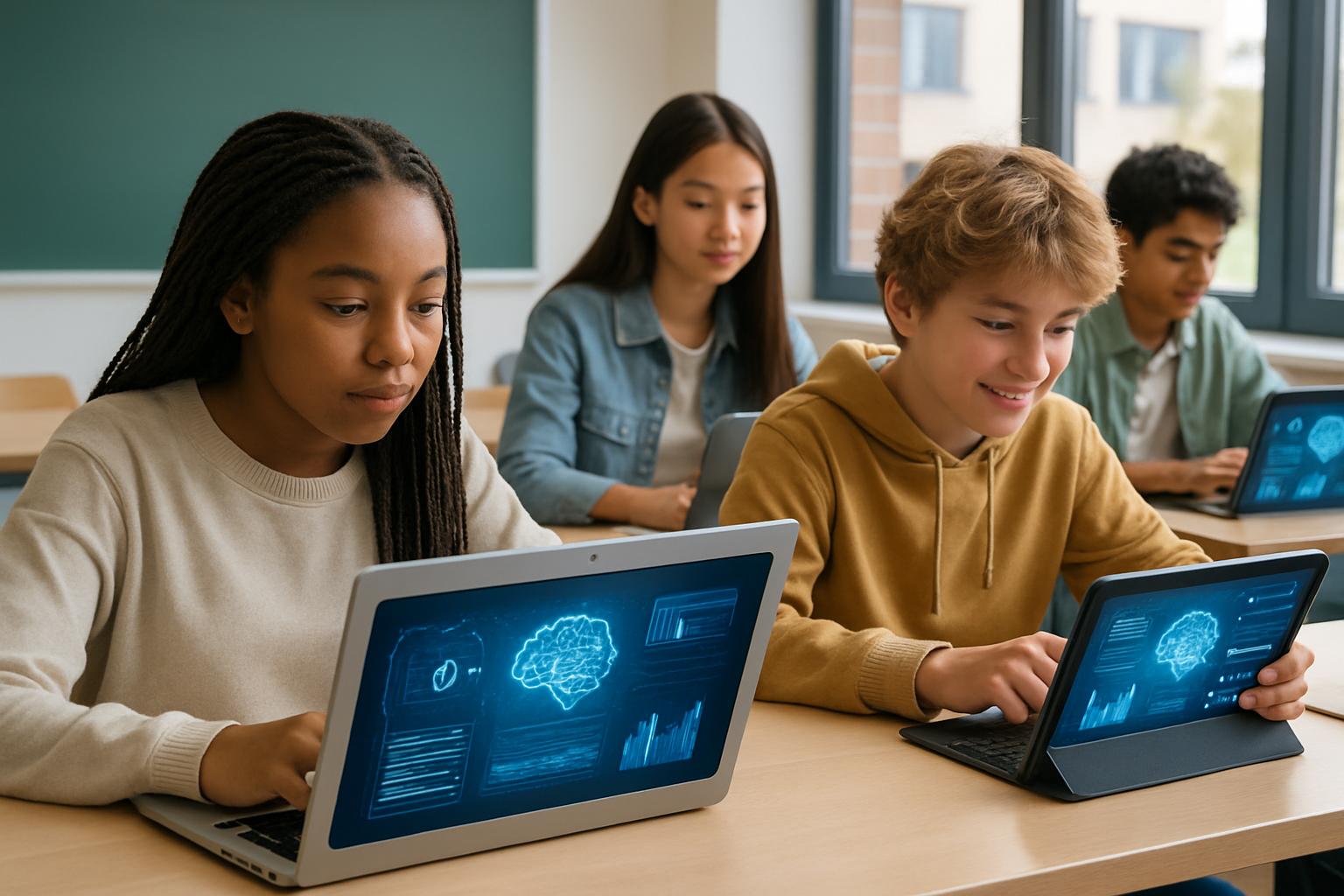
AI education is becoming equally important.
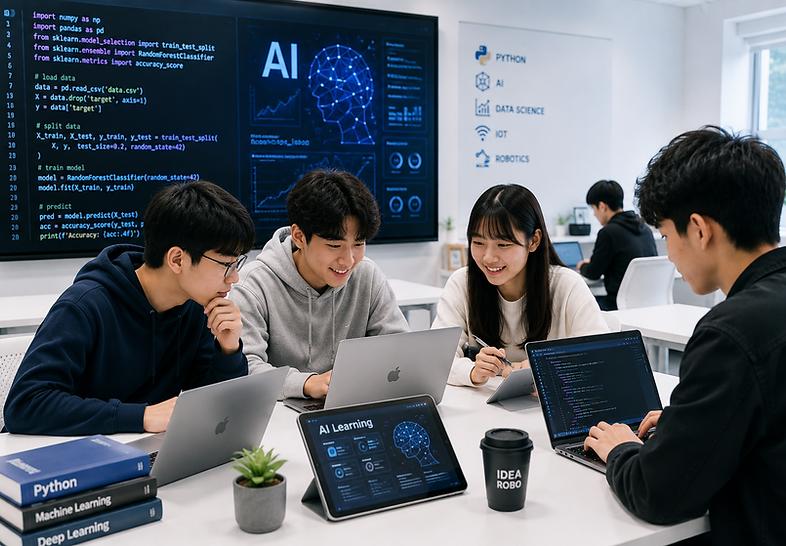
Students should understand more than how to use artificial intelligence applications. They should learn how AI systems work, how data is collected, how algorithms make predictions, and how to evaluate the accuracy and fairness of AI-generated information.
They should also explore:
- Machine learning.
- AI programming.
- Data science.
- Computer vision.
- Natural language processing.
- AI ethics and responsible technology.
- Cybersecurity and digital privacy.
China has pursued a more coordinated approach to integrating AI into education, while American initiatives have developed through a mixture of state programs, school districts, universities, and private-sector partnerships.
The Center for Security and Emerging Technology at Georgetown University has documented these differences, including China’s national-level efforts to expand AI education and the more decentralized American approach.
Both countries must ensure that students develop the critical thinking and technical skills needed to work responsibly with these technologies.
4. What American Schools Can Learn From China
America does not need to copy China’s entire education system to learn from its investments in technical education.
Instead, American educators should examine successful practices and adapt them to the needs of American students and communities.
Here are five important lessons.
Lesson 1: Bring Industry Into the Classroom
Schools should establish partnerships with companies that manufacture robotics equipment, develop software, build AI systems, and employ engineers.
Businesses can provide equipment, internships, guest instructors, technical training, and career mentorship.
Students should understand how classroom lessons translate into actual careers.
Lesson 2: Expand Hands-On Technical Education
Every student should have opportunities to experiment with technology.
Schools should consider expanding:
- Robotics laboratories.
- Computer programming centers.
- Engineering workshops.
- AI innovation labs.
- 3D printing facilities.
- Drone and automation programs.
Students should have opportunities to design and build actual projects rather than learning exclusively through lectures and textbooks.
Lesson 3: Start STEM Education Earlier
Technology education should begin in elementary school.
Children can explore basic coding, engineering, mathematics, and scientific discovery through age-appropriate activities.
By middle school, students should have opportunities to experiment with robotics, digital design, and introductory AI.
By high school, they should be able to pursue specialized technical pathways.
Lesson 4: Invest in Teachers
Teachers are essential to the success of any STEM education strategy.
Schools need access to professional development that helps educators understand robotics, AI, engineering, and emerging technologies.
Partnerships with universities and technology companies could provide training, certification opportunities, and access to modern teaching materials.
Lesson 5: Connect Education to Employment
Students should be able to see a clear connection between learning STEM subjects and building successful careers.
Schools can work with employers to establish apprenticeships, internships, technical certifications, and career-development programs.
This approach can help students move from the classroom into the workforce with practical experience.
5. The Research and Innovation Race
The competition between China and America extends beyond their classrooms.
It also involves research funding, university development, scientific discoveries, patents, advanced manufacturing, and technology entrepreneurship.
According to the National Science Foundation’s National Center for Science and Engineering Statistics, China was estimated to have surpassed the United States in total research and development spending in 2024 when adjusted for international comparability.
The estimated figures were:
- China: $1.028 trillion.
- United States: $1.009 trillion.
Together, the two countries accounted for more than half of global research and development spending.
China also awarded approximately 53,000 science and engineering doctoral degrees in 2022, compared with approximately 45,000 awarded by American institutions in 2023. These are the latest internationally comparable figures presented in the 2026 report, but the years differ.
However, the United States continues to demonstrate considerable strengths in highly cited scientific publications, patents, venture capital investment, and technology-based services.
These figures demonstrate that technological leadership involves much more than educational spending.
A country’s ability to turn scientific discoveries into products, businesses, jobs, and solutions is equally important.
6. The Future of STEM Education: Collaboration and Competition
Although China and America compete for technological leadership, there are opportunities for educational collaboration.
Students around the world face many of the same challenges:
- Climate change.
- Environmental protection.
- Healthcare innovation.
- Food production.
- Renewable energy.
- Transportation.
- Cybersecurity.
- Sustainable manufacturing.
Robotics and artificial intelligence can help address many of these challenges.
International STEM competitions, university partnerships, student exchanges, and scientific collaborations can encourage young people to share ideas and develop solutions.
The next generation should understand that technology is not simply about competing for economic advantages. It is also about improving human lives.
7. A STEM Opportunity for Baltimore and Beyond
The global STEM competition presents an important opportunity for American cities such as Baltimore.
Baltimore has universities, hospitals, research institutions, technology businesses, engineering professionals, and a strong network of educational organizations.
These resources could help establish stronger connections between students and the technology workforce.
Imagine a Baltimore STEM Innovation Initiative that brings together schools, universities, local businesses, community organizations, and technology companies.
The initiative could include:
Community Robotics Labs: Affordable robotics programs where students learn to build, program, and operate robots.
AI Learning Centers: Community-based facilities where young people and adults learn artificial intelligence, coding, and digital skills.
STEM Career Partnerships: Connections between students, engineers, scientists, technology entrepreneurs, and local employers.
Annual Student Innovation Competition: A citywide competition challenging students to develop technology solutions for real community problems.
Industry Mentorship: Technology professionals volunteering their time to mentor students and introduce them to career opportunities.
HBCU Technology Partnerships: Morgan State University and other historically Black colleges and universities could help connect students with research, engineering, computing, and entrepreneurship opportunities.
These programs could help ensure that students in Baltimore are not simply consumers of technology but become its creators, designers, and innovators.
Conclusion: The Future Belongs to Those Who Prepare for It
China and the United States are approaching STEM education through different educational structures, investment strategies, and industry partnerships.
China’s emphasis on coordinated technical education, industrial robotics, and manufacturing partnerships provides examples worth examining.
America’s strengths in scientific research, entrepreneurial innovation, universities, and private-sector technology development remain important advantages.
However, the challenges facing American schools cannot be ignored.
Improving mathematics and science performance, expanding access to technology, investing in teachers, and introducing students to practical engineering experiences must become important educational priorities.
The future of STEM education should not be measured only by how many students graduate with degrees.
It should also be measured by how many students can create, build, program, experiment, invent, and solve problems.
The next generation of scientists, engineers, programmers, and entrepreneurs is sitting in classrooms today.
The question is whether we are giving them the tools to lead tomorrow.
STEM Nastics Magazine believes every student deserves the opportunity to explore, create, innovate, and inspire.
The global race for STEM leadership is underway. The future innovators are already in our classrooms.