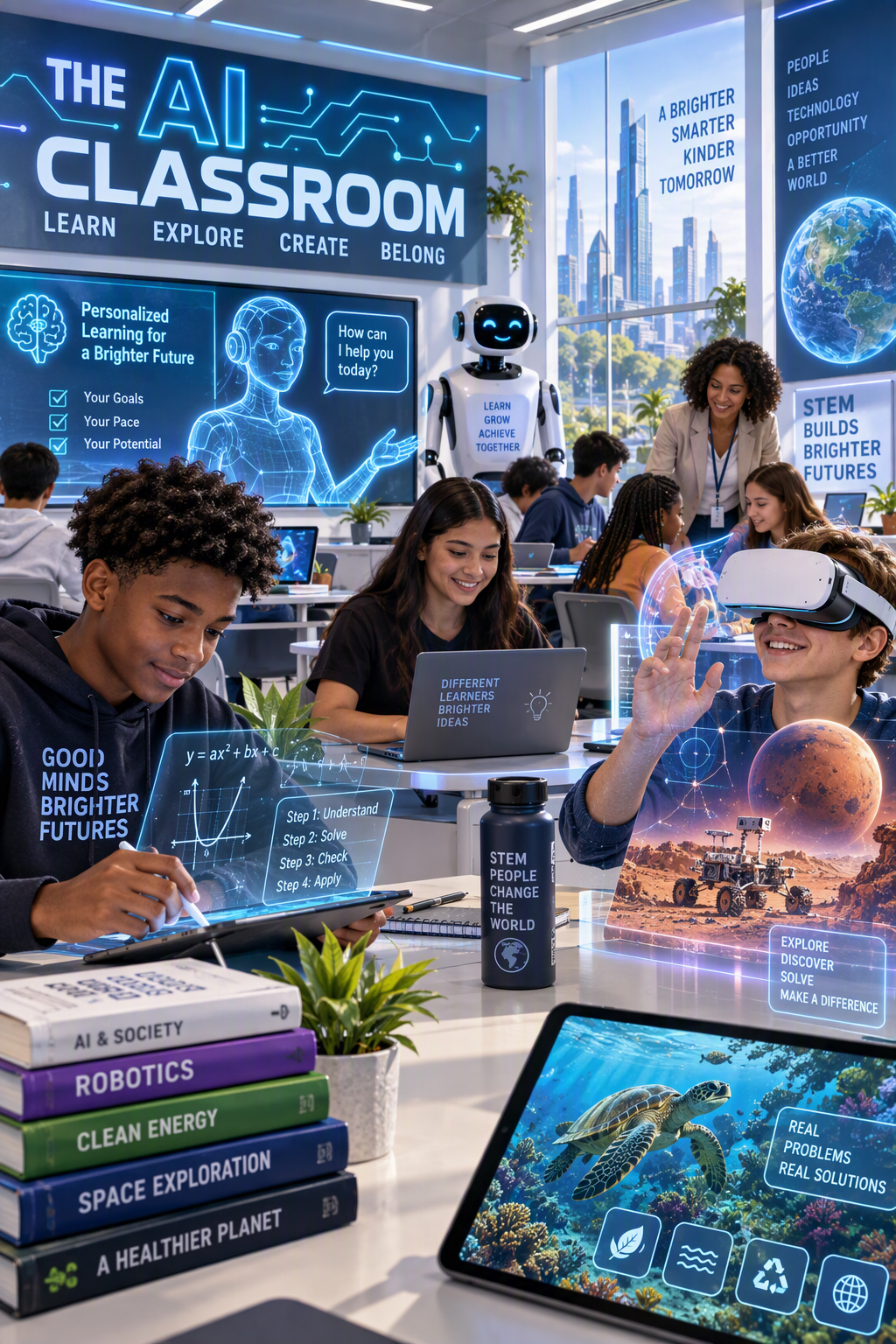
Why Are So Many Students Being Left Behind?
AMERICA’S BIGGEST EDUCATION CHALLENGE MAY NOT BE A LACK OF TALENT. IT MAY BE A LACK OF OPPORTUNITY.
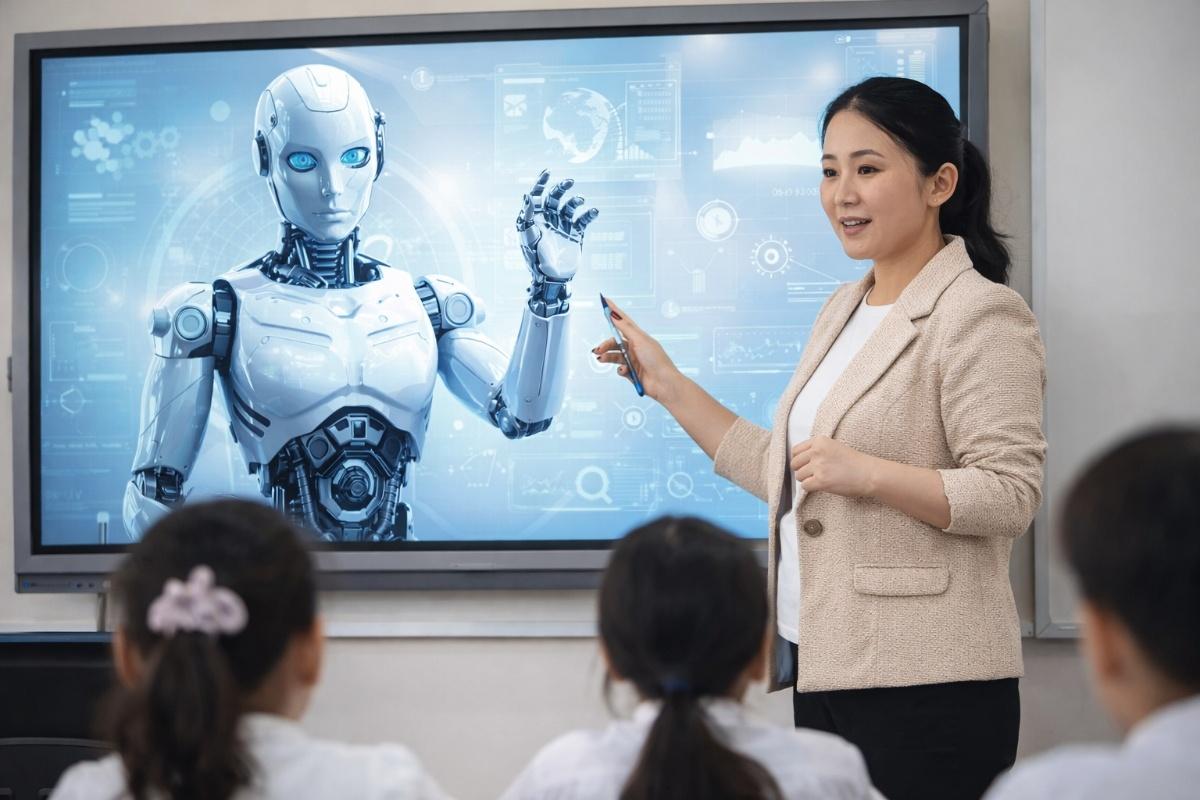
America talks constantly about preparing the next generation for artificial intelligence, robotics, advanced manufacturing, space exploration, and the global technology economy.
Politicians promise innovation. Technology companies invest billions. Universities compete to develop the next scientific breakthrough.
But millions of students are still struggling to receive the educational opportunities necessary to participate in that future.
Some students attend schools with advanced science laboratories, experienced teachers, technology programs, tutoring, and college-preparation resources. Others attend schools where teacher vacancies, limited course offerings, outdated equipment, and inadequate academic support make learning more difficult.
The difference is not necessarily student ability.
It is opportunity.
The opportunity gap is one of America’s most important education challenges because it determines which students receive the tools to succeed—and which students risk being left behind.
If America wants to lead the world in technology, it must first make sure its children have a fair chance to develop their potential.
THE WARNING SIGNS ARE IN THE NUMBERS
The National Assessment of Educational Progress (NAEP), commonly called the Nation’s Report Card, provides an important picture of student achievement.
The 2024 results showed that national reading and mathematics scores remained below their 2019 levels in the tested grades. Lower-performing students continued to face particularly serious challenges.
The differences between student groups are also significant. In eighth-grade mathematics, the 2024 NAEP assessment found an average score difference of 34 points between Black and White students and 30 points between economically disadvantaged and non-economically disadvantaged students.
These figures describe differences in measured achievement. They do not measure intelligence, potential, or a student’s ability to succeed with the right support.
Federal education data also reveal staffing problems. At the beginning of the 2024–25 school year, public schools reported filling only 79% of teaching vacancies with fully certified teachers. Schools in high-poverty neighborhoods reported filling a smaller share—72%.
These numbers raise an important question: How can students be expected to reach high academic standards when access to qualified teachers and educational resources is unequal?
1. YOUR ZIP CODE SHOULD NOT DETERMINE YOUR FUTURE
One of the biggest problems in American education is that a student’s opportunities can depend heavily on where that student lives.
Some school communities have access to:
- Advanced mathematics and science courses.
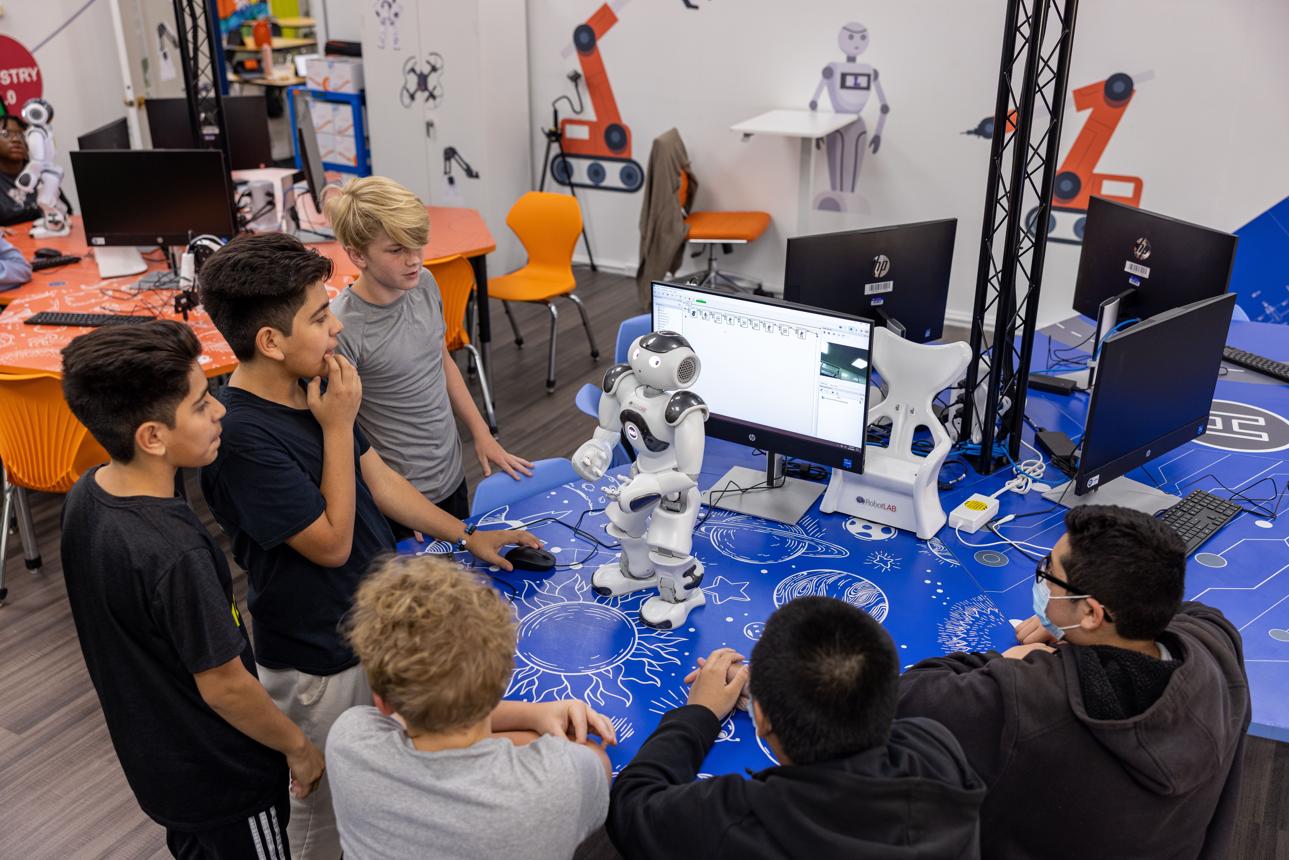
- Robotics and engineering laboratories.
- Experienced teachers and academic specialists.
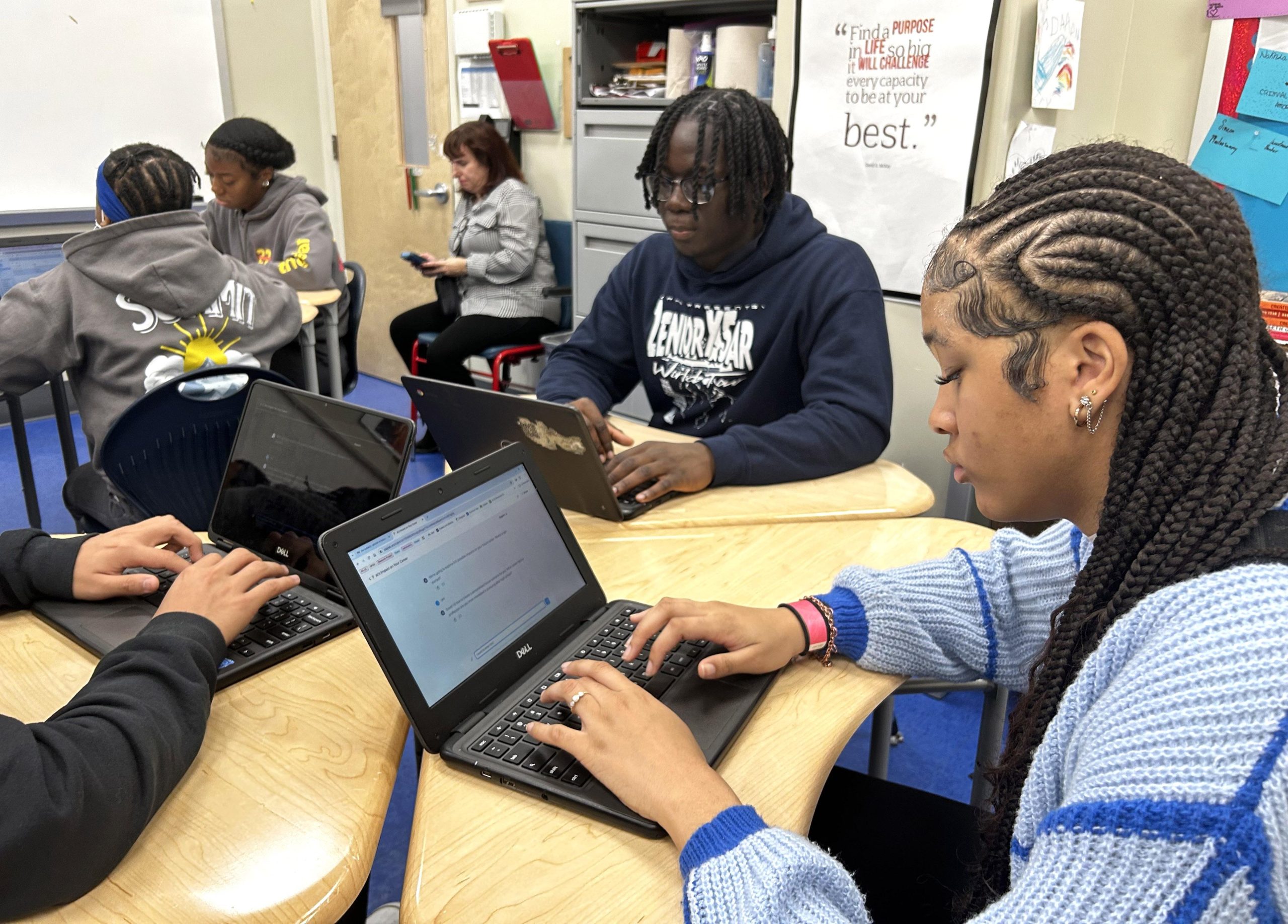
- Technology equipment and reliable internet.
- College counseling and career preparation.
- After-school tutoring and enrichment programs.
Other communities may have fewer of these resources.
This creates an uneven starting point.
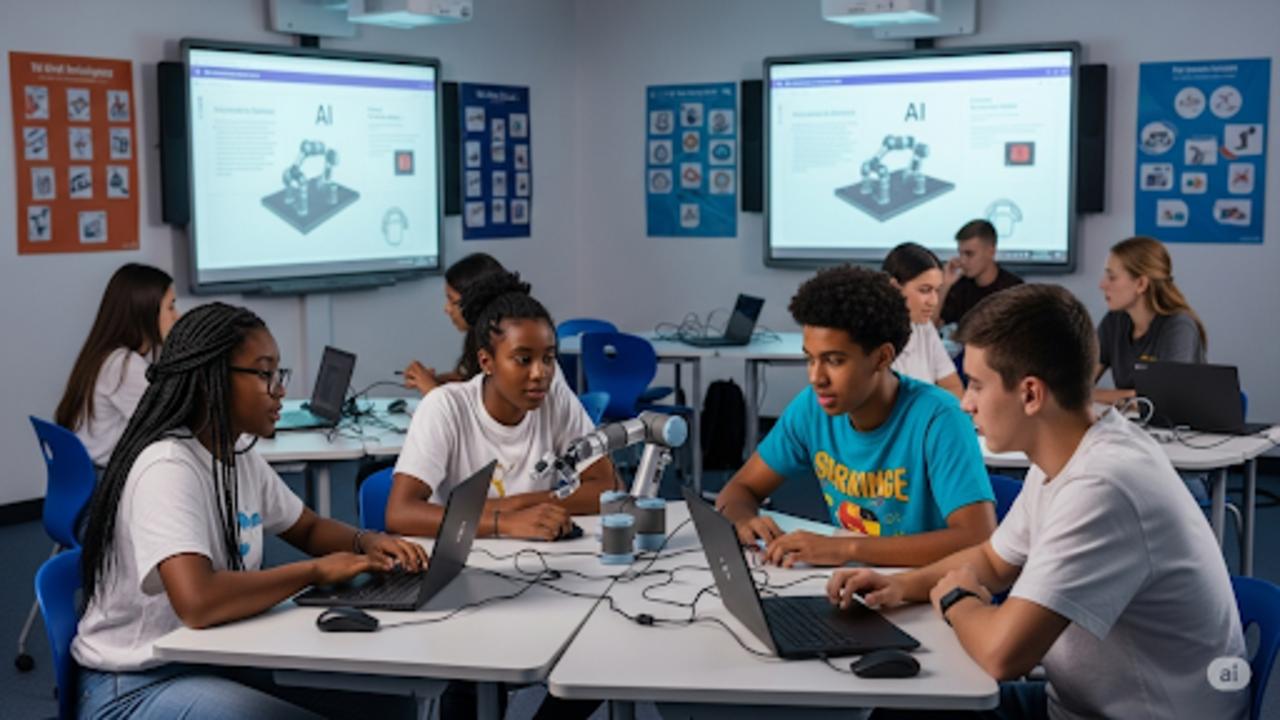
A student interested in engineering may never have access to a robotics program. A talented young person who enjoys computer science may attend a school that offers no computer science courses. Another student may want to pursue biotechnology but lack access to a laboratory or qualified science instruction.
America cannot identify its future innovators if millions of students never receive the opportunity to explore their interests.
2. TEACHER SHORTAGES ARE A STUDENT OPPORTUNITY PROBLEM
Teachers are among the most important resources in education.
A great teacher can encourage a student who doubts their abilities, explain difficult mathematics concepts, inspire interest in science, and help young people imagine careers they never considered.
But many schools face difficulties recruiting and retaining qualified teachers.
The National Center for Education Statistics reported that schools in high-poverty neighborhoods had greater difficulty filling teaching vacancies with fully certified teachers than the national average in 2024.
Teacher shortages can mean larger workloads, fewer course options, and less individualized support.
America needs to make teaching a stronger and more attractive profession. That means competitive compensation, professional development, classroom resources, mentoring, and better support for educators.
Technology cannot replace the importance of a knowledgeable, prepared, and supported teacher.
3. THE DIGITAL DIVIDE IS BECOMING AN AI DIVIDE
The digital divide is no longer simply about whether a household owns a computer.
Students increasingly need reliable internet, appropriate devices, digital literacy, and access to modern learning tools.
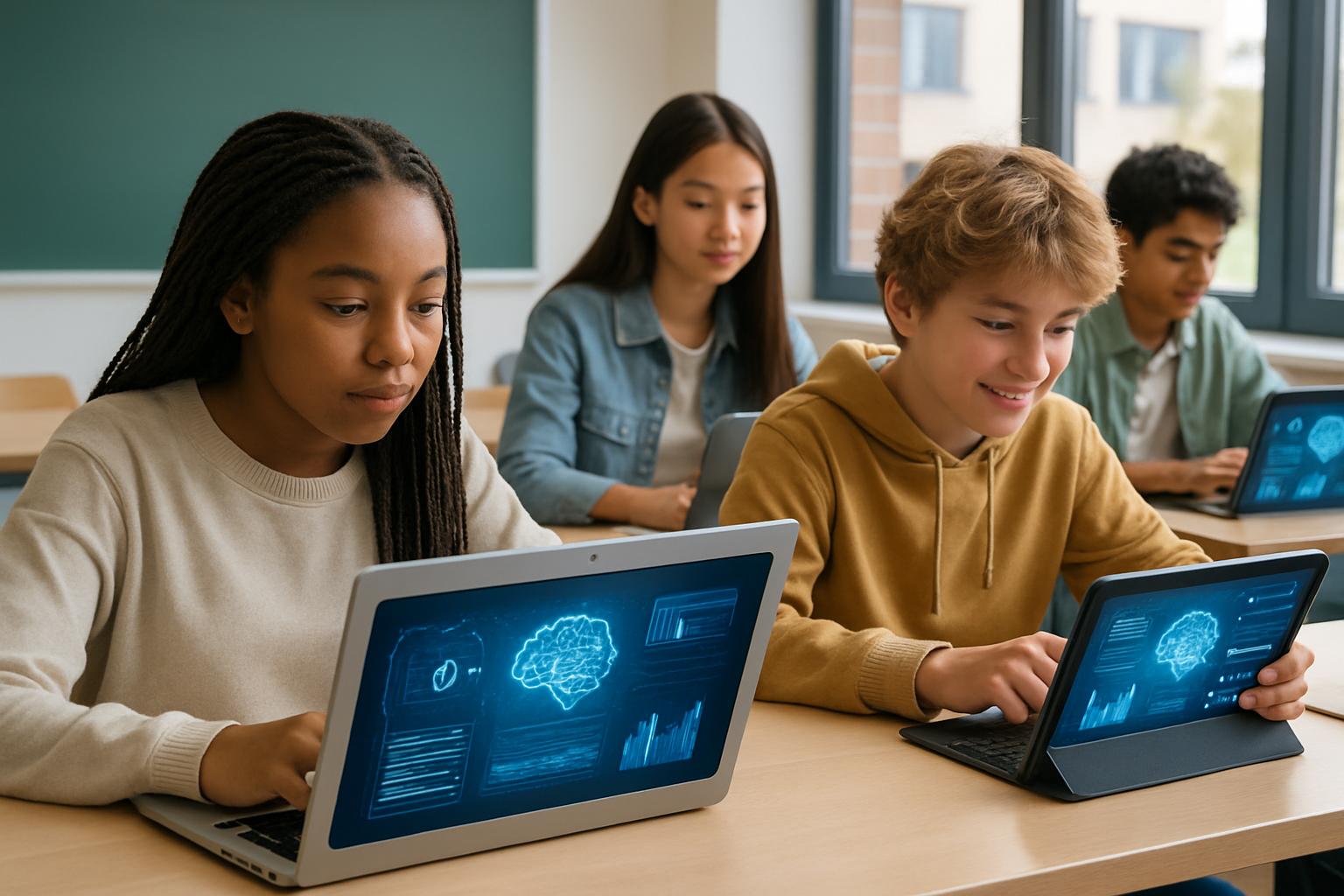
As artificial intelligence becomes part of education and employment, another divide could emerge: the difference between students who learn how to understand and use AI responsibly and those who have little opportunity to explore it.
Imagine two students graduating from high school.
One has experience with coding, robotics, AI projects, digital research, and technology competitions. The other has had limited access to computers and no formal introduction to these subjects.
Both may have talent. But they are not entering the future with the same preparation.
Schools should provide students with opportunities to understand how AI works, how to evaluate its answers, how to protect personal information, and how to use it responsibly.
AI should expand educational opportunity—not become another advantage reserved for students in wealthy communities.
4. POVERTY CAN CREATE BARRIERS TO LEARNING
Education does not happen in a vacuum.
Students may face challenges outside school that affect their ability to learn. Housing instability, food insecurity, transportation problems, limited access to healthcare, and family financial pressures can make consistent school attendance and academic engagement more difficult.
Chronic absenteeism is one example.
The U.S. Department of Education defines chronic absenteeism as missing at least 10% of school days—approximately 18 days in a typical school year. Federal data show that more than 14 million students were chronically absent during the 2021–22 school year.
Absenteeism has multiple causes. Students may face health challenges, transportation difficulties, family responsibilities, or disengagement from school.
Punishing students without understanding these circumstances does not solve the underlying problem.
Schools need stronger partnerships with families, community organizations, health providers, transportation agencies, and social-service programs.
A student who needs food, transportation, tutoring, or additional support should be connected to help—not simply labeled as a problem.
5. THE OPPORTUNITY GAP IS ALSO A TECHNOLOGY AND ECONOMIC PROBLEM
America’s future economy will depend on people who understand mathematics, science, engineering, computer science, and technology.
Artificial intelligence, cybersecurity, robotics, biotechnology, and advanced manufacturing will require workers with a wide range of technical and analytical skills.
If large groups of students graduate without strong academic foundations or exposure to these fields, America risks limiting its own future workforce.
The issue is especially important for communities that have historically been underrepresented in technology and scientific research.
Black and Hispanic students, students from low-income families, girls, students with disabilities, and students in rural communities should have access to meaningful STEM opportunities.
Historically Black colleges and universities (HBCUs) can help expand the pipeline through research partnerships, scholarships, technology programs, and connections with employers.
But the pipeline must start much earlier.
Students need encouragement and exposure in elementary and middle school—not just when they are preparing for college.
6. WE NEED TO RETHINK WHAT A MODERN SCHOOL SHOULD PROVIDE
Schools should prepare students for more than standardized tests and graduation requirements.
They should prepare young people to understand the world, solve problems, communicate, create, and adapt.
A modern education should include:
Mathematics: Strong foundations in numbers, algebra, statistics, and problem-solving.
Science: Hands-on experiments, scientific reasoning, and opportunities to explore real-world questions.
Technology: Computer science, digital literacy, cybersecurity awareness, and responsible AI education.
Engineering: Robotics, design challenges, building projects, and practical problem-solving.
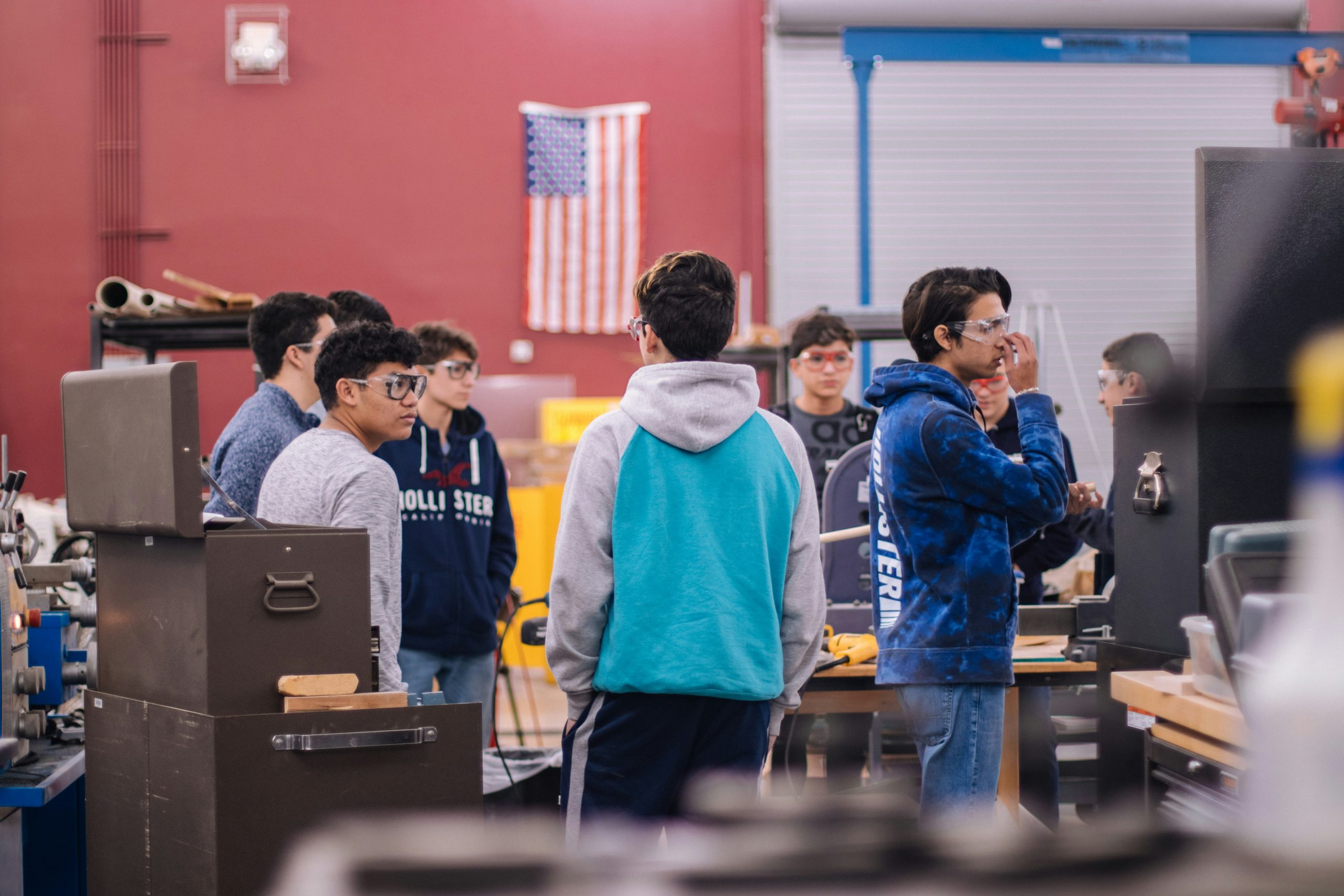
Career preparation: Exposure to apprenticeships, technical colleges, universities, entrepreneurship, and modern workplaces.
Life skills: Communication, financial literacy, collaboration, and critical thinking.
Students should not have to wait until college to discover the opportunities available in science and technology.
7. A NEW AMERICAN OPPORTUNITY PLAN
Closing the opportunity gap requires more than another education slogan. It requires measurable action.
Stem Nastics proposes seven priorities:
1. Establish a STEM opportunity standard. Every public school should provide students with access to meaningful mathematics, science, technology, and engineering experiences.
2. Invest in teachers. Improve recruitment, retention, professional development, and access to high-quality instructional materials.
3. Expand community learning centers. Libraries, nonprofits, colleges, museums, and community organizations can provide affordable tutoring, coding, robotics, and AI education.
4. Create stronger school-to-career partnerships. Connect students with employers, technical colleges, universities, apprenticeships, and career mentors.
5. Strengthen early intervention. Identify learning difficulties early and provide tutoring, attendance support, and individualized academic assistance.
6. Expand access to technology. Ensure students have appropriate devices, reliable internet, digital skills, and safe opportunities to explore AI.
7. Publish an annual opportunity report. Measure access to qualified teachers, advanced courses, technology programs, tutoring, and successful transitions into college and careers.
The goal should be to improve the opportunities available to students—not simply to compare schools after unequal resources have already shaped their outcomes.
THE STEM NASTICS READER ACTION PLAN
Closing the opportunity gap cannot be left to government alone.
Parents: Ask schools whether students have access to qualified teachers, tutoring, advanced courses, and technology programs.
Students: Explore science, mathematics, coding, engineering, and AI. Ask questions and seek opportunities to build practical skills.
Educators: Identify students who need additional support and create classroom experiences that connect learning to real-world opportunities.
Businesses: Sponsor STEM clubs, internships, teacher development, technology centers, and career mentorship programs.
Colleges and HBCUs: Partner with local schools to provide research exposure, summer programs, scholarships, and pathways into technical careers.
Community organizations: Help families connect students with tutoring, technology access, enrichment programs, and educational resources.
Policymakers: Track educational opportunity by community and direct resources toward schools with the greatest unmet needs.
THE FINAL QUESTION: HOW MUCH TALENT IS AMERICA LEAVING BEHIND?
America does not have a shortage of intelligent, creative, and ambitious young people.
It has a challenge making sure that every student has a meaningful opportunity to develop those qualities.
The next generation of scientists, engineers, doctors, teachers, entrepreneurs, and technology leaders may be sitting in classrooms that do not yet have the resources to help them reach their potential.
Some future innovators live in wealthy neighborhoods. Others live in communities struggling with poverty, underfunded schools, and limited access to technology.
Their circumstances may be different, but their potential should never be dismissed.
America cannot claim to be preparing for the future while allowing educational opportunity to depend so heavily on a family’s income or a student’s ZIP code.
The opportunity gap is not simply an education problem. It is a workforce problem, an economic problem, and a national competitiveness problem.
We cannot build a world-leading technology economy by leaving millions of potential innovators behind.
The future should not be reserved for students who already have every advantage.
It should be built by a generation that has been allowed to succeed.
Stem Nastics Magazine believes every child deserves more than a seat in a classroom. Every child deserves a real opportunity to build a future.