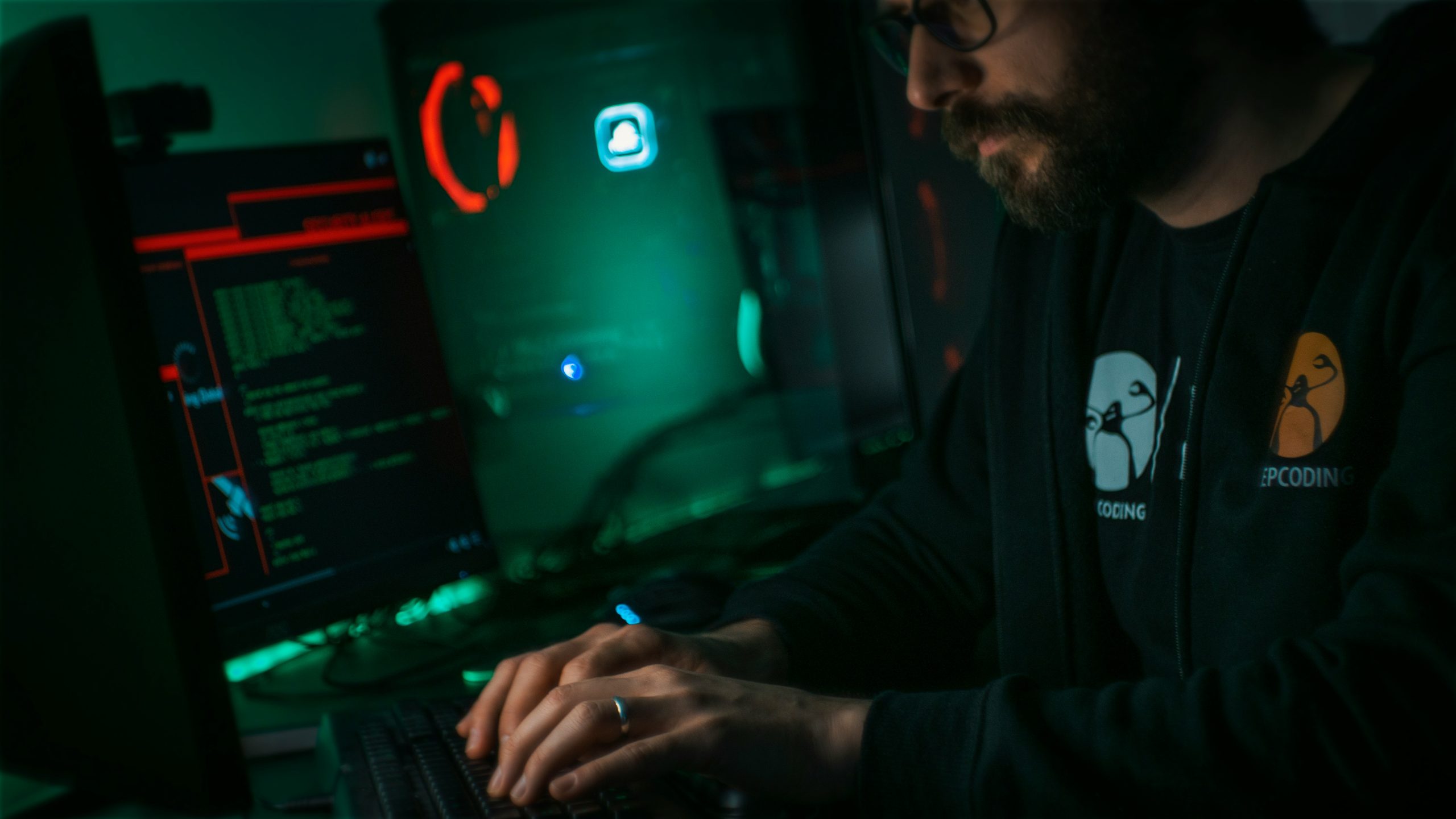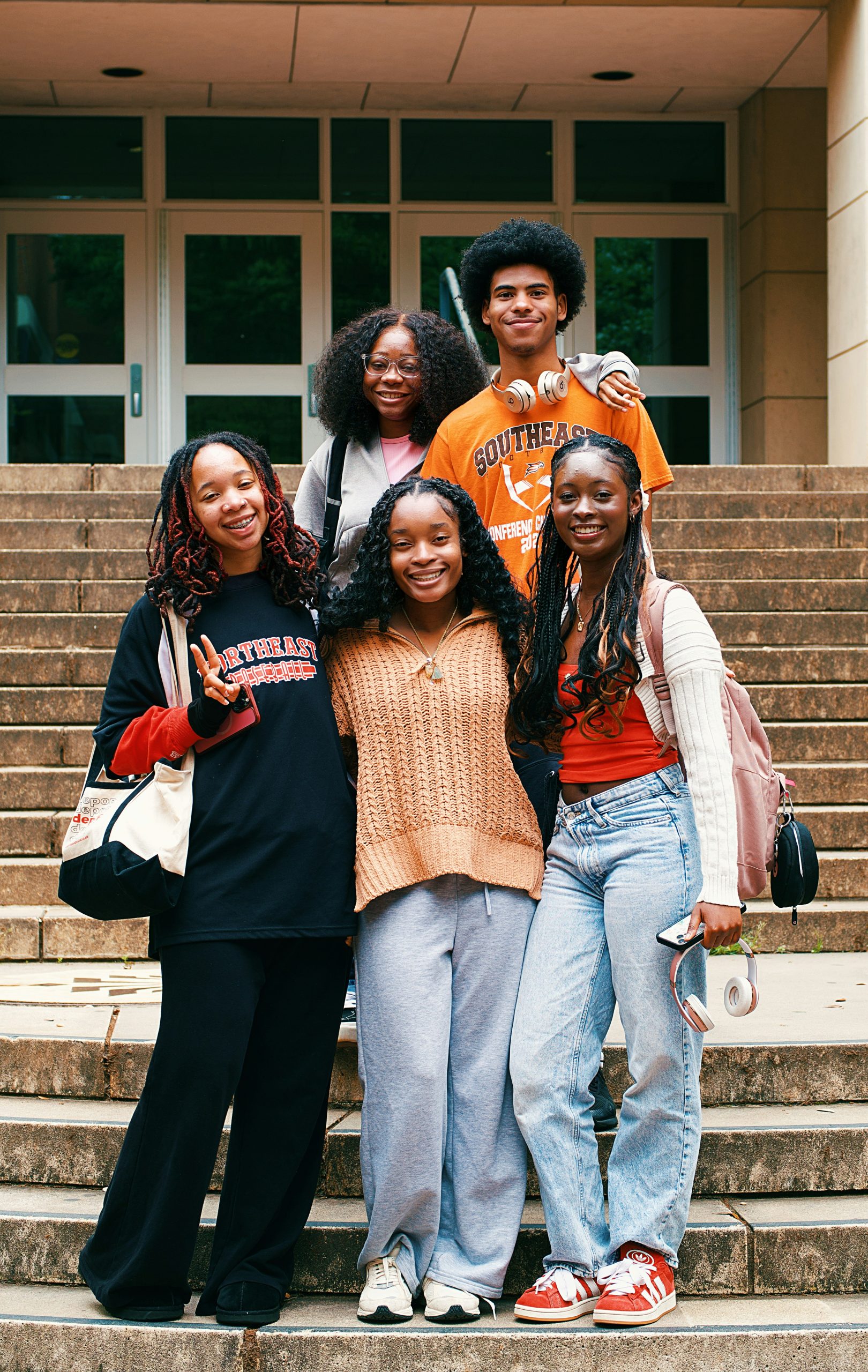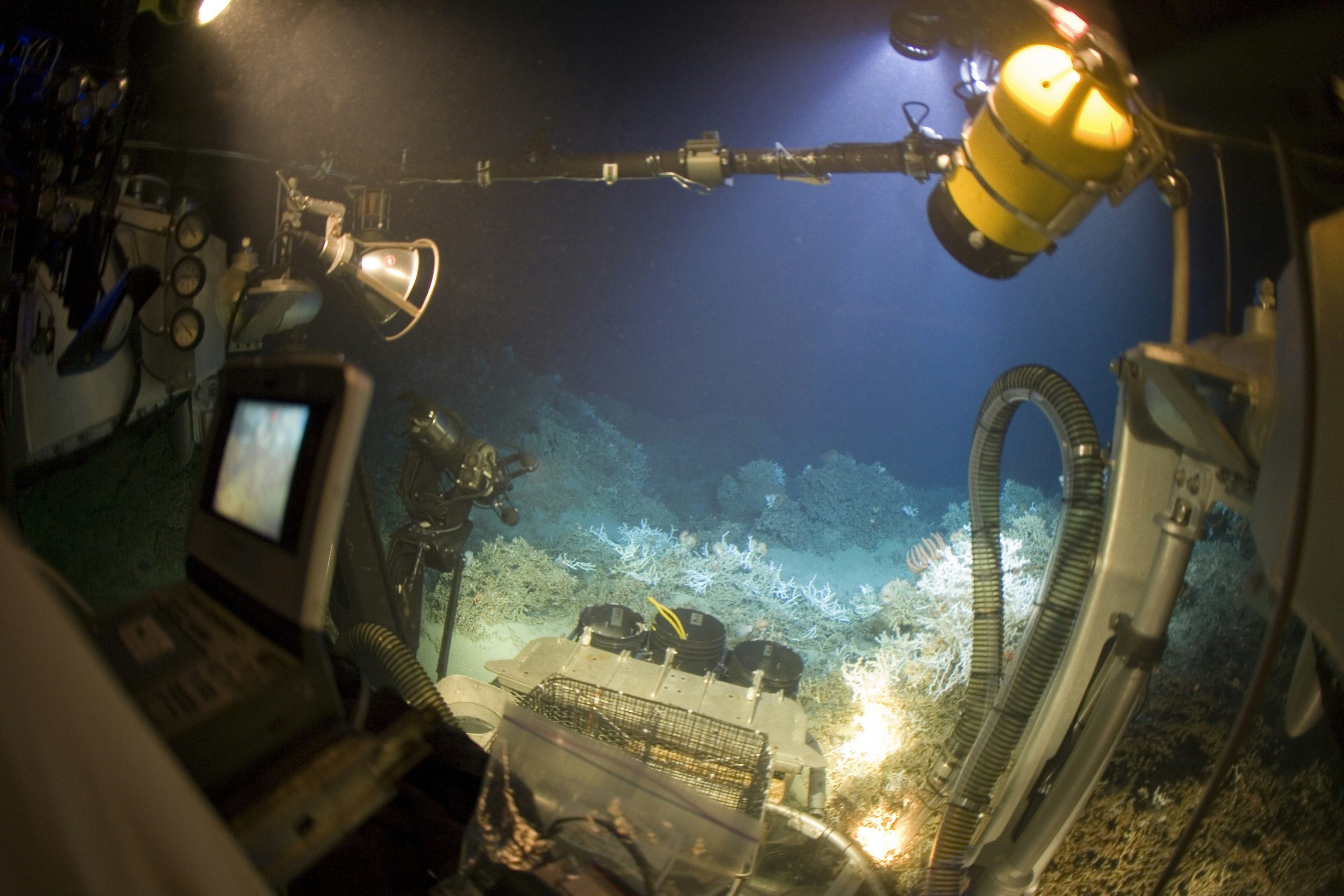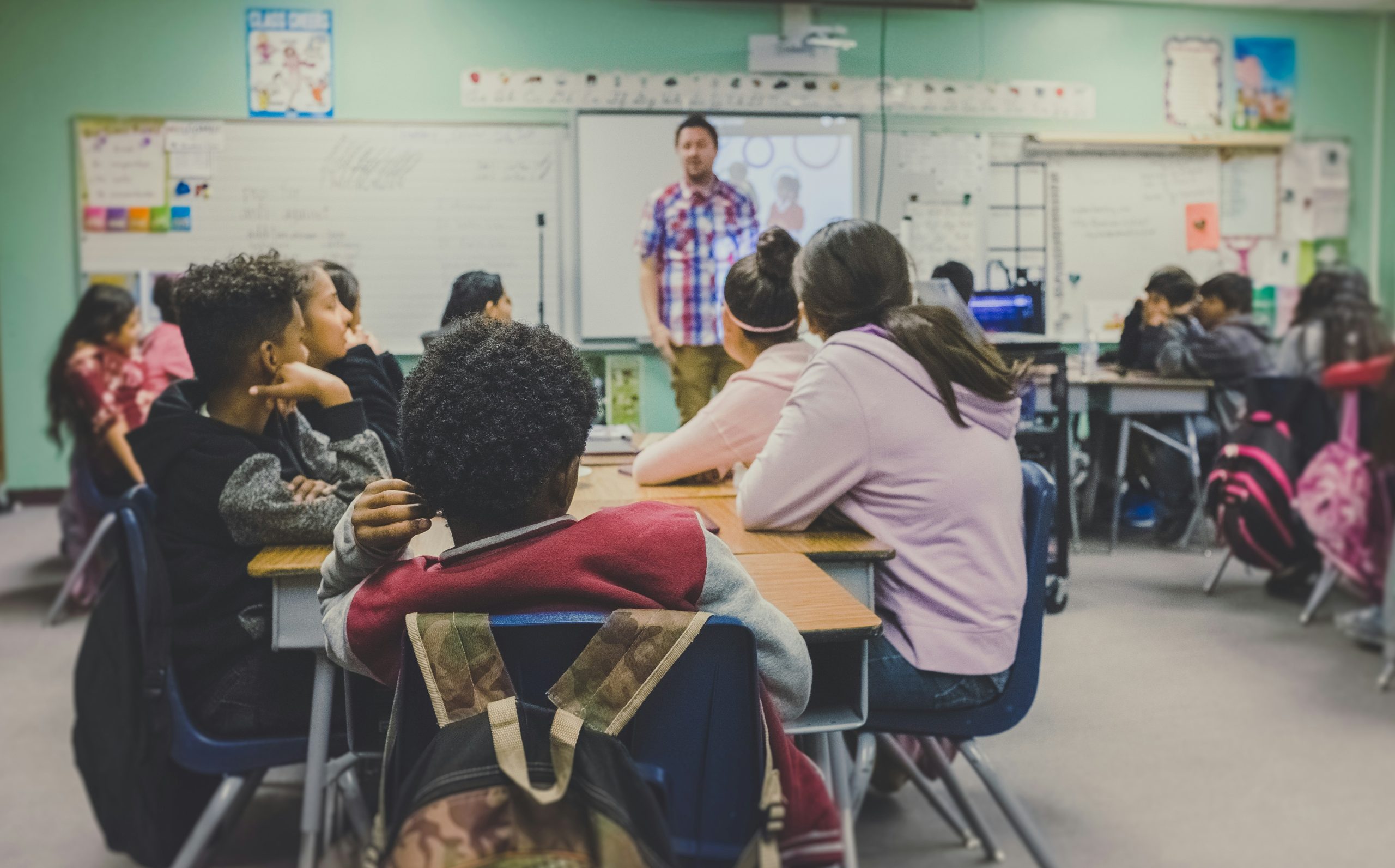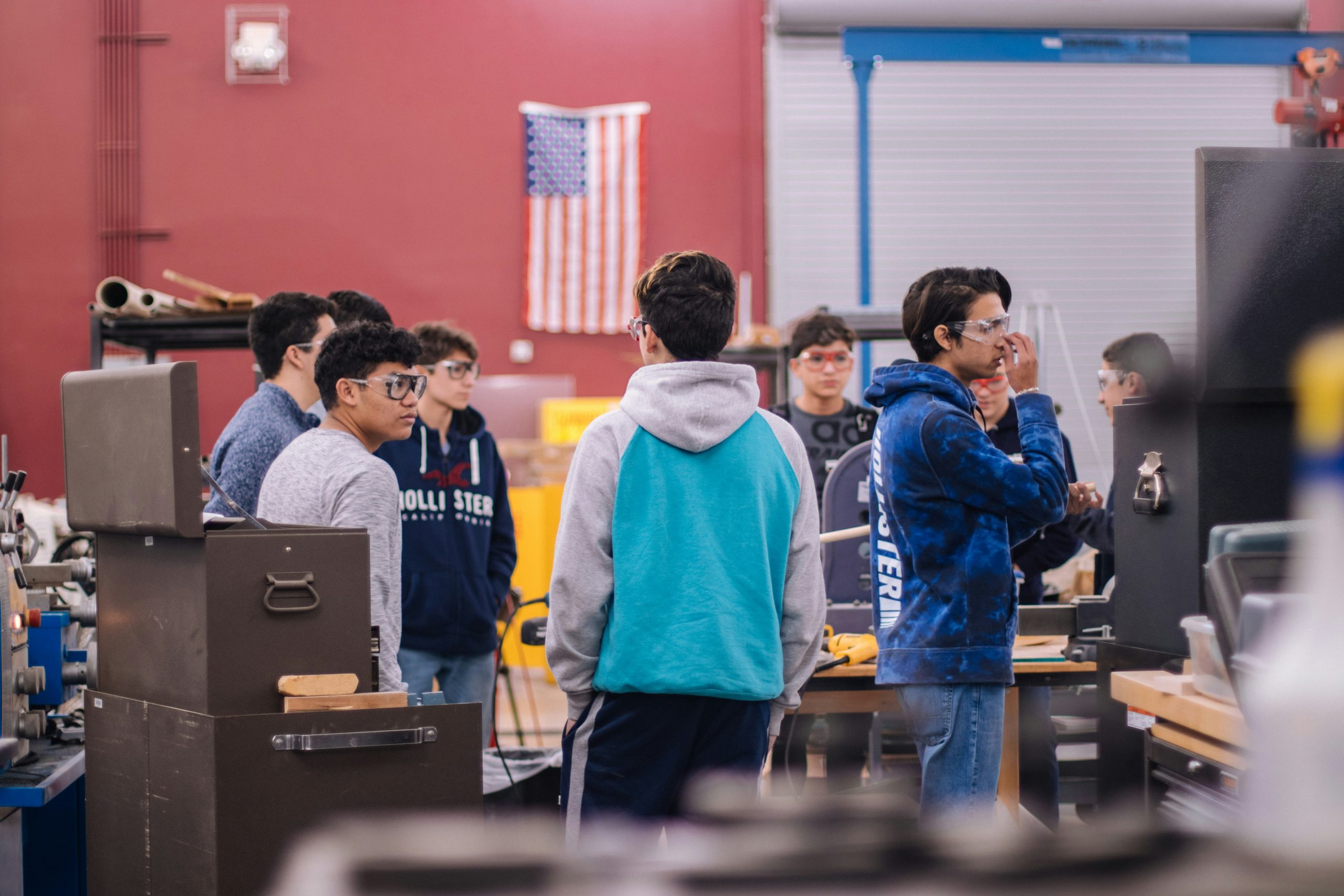
Picture two classrooms on the same Tuesday morning. In one, seventh graders are building small robots, testing their designs, and arguing happily about why one keeps tipping over. In another, students work through worksheets with a long-term substitute teacher because the district has not been able to fill the science position all year. Neither scene is a specific school; both are composites of situations educators describe across the country. Together they capture the central story of STEM education in America today: extraordinary promise, uneven delivery.
Why It Matters
Science, technology, engineering and math shape almost everything about modern life, from medicine and clean energy to artificial intelligence and national security. A country that educates its young people well in these subjects is better positioned to innovate, to fill high-skill jobs and to give its citizens the tools to understand a world full of data, algorithms and scientific claims. That is why STEM education draws bipartisan attention, even when the two sides disagree about how to improve it.
The Report Card
The most widely used national yardstick is the National Assessment of Educational Progress, often called the Nation’s Report Card. Results released in September 2025 showed eighth-grade science scores down 4 points since 2019 and twelfth-grade math and reading scores each down 3 points over the same period. The twelfth-grade math score was also 3 points below where it stood in 2005, when that version of the test was first given. Scores fell for both high-performing and low-performing students.
Experts caution against blaming any single cause or any single administration for these trends. Pandemic disruption, attendance problems, and uneven recovery all play a role, and researchers continue to debate their relative weight. What is clear is that many students have not recovered the ground they lost.
The Measurement Question
There is a second, quieter story behind the scores. During 2025, staffing reductions and contract cuts at the U.S. Department of Education disrupted parts of the testing program, and some NAEP assessments were scaled back or canceled. The core reading and math tests required by Congress were preserved, and the department has said the 2026 assessments would go forward. Still, education researchers worry that fewer or smaller assessments could make it harder to see how students, including those studying science, are doing. Supporters of the cuts argue that government spending on education has not produced better results and that savings and a greater role for states are overdue. This is an active political debate with serious people on both sides.
Where the Pressure Points Are
Educators, researchers and policymakers repeatedly point to a handful of challenges:
- Teacher supply. Many districts report difficulty hiring and keeping qualified math, science, and computer science teachers, especially in rural areas and high-poverty schools.
- Unequal access. Course offerings such as advanced math, physics, engineering, and computer science differ widely from school to school, and students in some communities never get the chance.
- Early foundations. Struggles in elementary math often grow into later barriers, making early instruction especially important.
- Engagement. Too many students decide by middle school that STEM is not for them, often because lessons feel abstract or disconnected from real life.
- Representation. Women, Black, Hispanic and Native American students remain underrepresented in many STEM fields, which is why programs at colleges such as HBCUs and tribal colleges matter.
- Resources. Labs, equipment, reliable internet and up-to-date technology are not evenly distributed.
Bright Spots
The picture is not all bleak. Across the country, schools, nonprofits and communities are trying approaches that work:
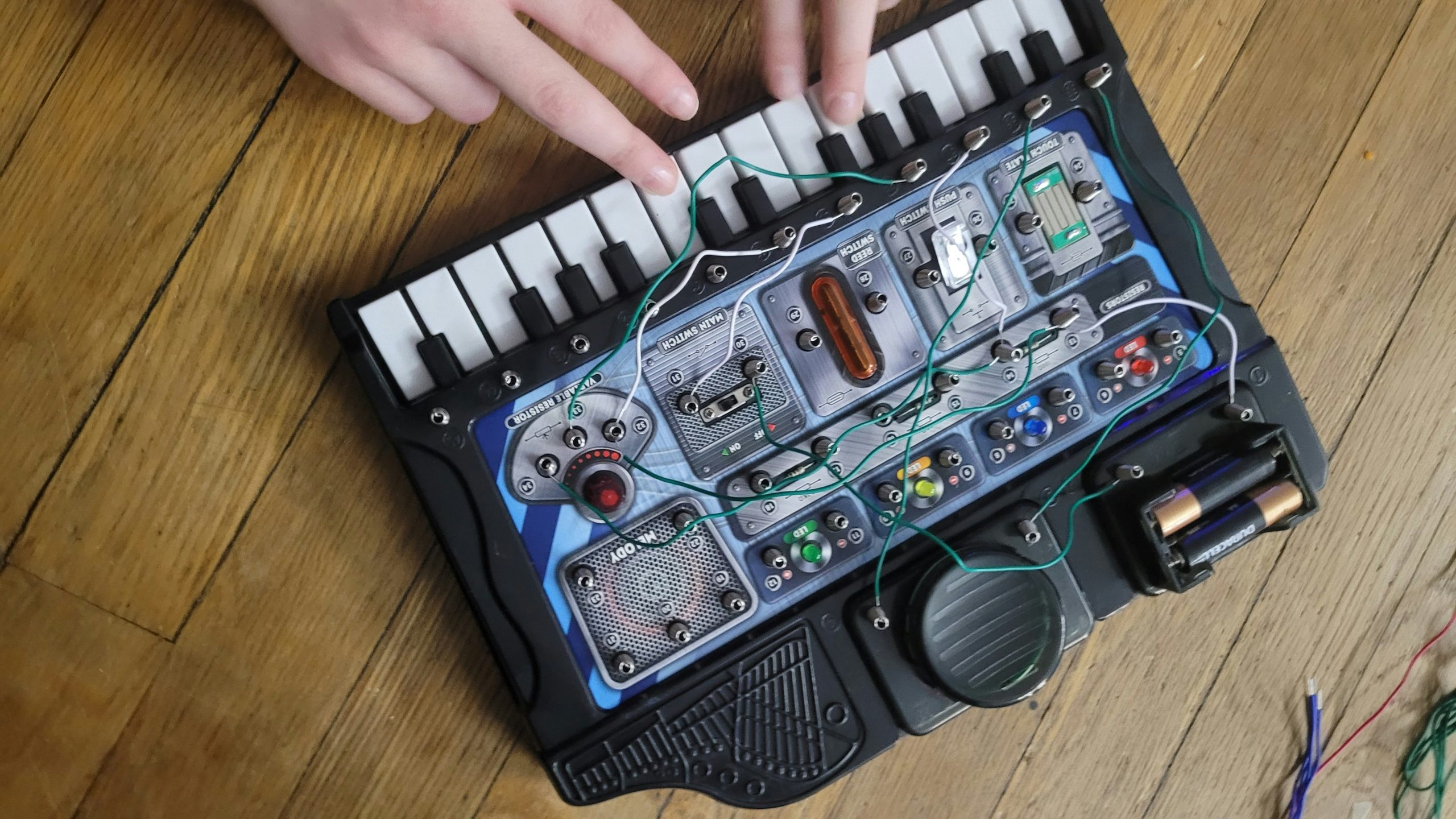
- Hands-on learning. Robotics kits, coding clubs, game-based tools such as Minecraft Education, and project-based science help students see why the material matters.
- High-quality instruction. Strong curriculum, solid teacher training and structured practice improve results, particularly in early math.
- Mentoring and community. Programs that connect students with scientists, engineers and near-peer mentors build identity and confidence.
- Pathways to careers. Dual-enrollment courses, apprenticeships, and partnerships with local employers show students where STEM can lead.
- Stronger bridges to college. Programs that support students through the transition, including those run by HBCUs and community colleges, help retain talent that might otherwise be lost.
- AI literacy. Universities and nonprofits are building resources to help teachers and students understand artificial intelligence, including how it works and where it can mislead.
The AI Question in Classrooms
Artificial intelligence is arriving in schools faster than most policies can keep up. Used well, AI tools can offer personalized practice, give teachers more time, and help students explore ideas. Used poorly, they can encourage shortcuts, spread mistakes, and widen gaps between students who have guidance and those who do not. Many educators now argue that the goal is neither banning AI nor embracing it blindly, but teaching students to question it, verify its answers and understand the fundamentals it cannot replace.
What Could Move the Needle
There is no single fix, but common ideas include:
- Recruiting, training, and paying teachers well, with special attention to shortage areas.
- Strengthening elementary math and science so fewer students fall behind early.
- Expanding access to advanced and computer science courses in every community, including through online and shared-teacher models.
- Keeping reliable national data so leaders can see what works and for whom.
- Partnering with employers, colleges and community organizations to make STEM learning concrete.
- Teaching AI literacy alongside the core subjects.
People disagree about priorities. Some emphasize greater federal investment and equity programs, while others emphasize local control, school choice, and a return to fundamentals. Both camps say they want students to succeed, and evidence on which reforms work best is still developing.
What Families and Students Can Do
You don’t have to wait for national policy to make a difference:
- Encourage curiosity at home with questions, experiments, puzzles, games, and library resources.
- Look for free programs such as clubs, summer camps, museums, community college courses, and online lessons.
- Talk with teachers and counselors about advanced courses and pathways, and ask early.
- Help students find mentors who reflect their interests and backgrounds.
- Treat mistakes as part of learning. Persistence matters as much as talent.
The Bottom Line
America’s STEM education story is neither a triumph nor a tragedy. It is a story of a system with remarkable teachers, innovative programs and proven strategies, running alongside real gaps in access, achievement and data. Whether the next chapter looks more like the robot-building classroom or the one waiting for a science teacher depends on choices made in schools, statehouses, businesses and living rooms. The students filling those classrooms today are the scientists, engineers, nurses, entrepreneurs, and informed citizens who will shape tomorrow, and they are worth getting this right.