Breaking Barriers, Building Businesses, and Shaping the Future of Artificial Intelligence, Robotics, Science, and Technology
Introduction: The Future of Technology Needs Everyone
Who will create the next breakthrough in artificial intelligence? Who will develop the robots that transform healthcare? Who will design the next generation of computers, launch new space exploration technologies, and develop solutions to some of the world’s biggest challenges?
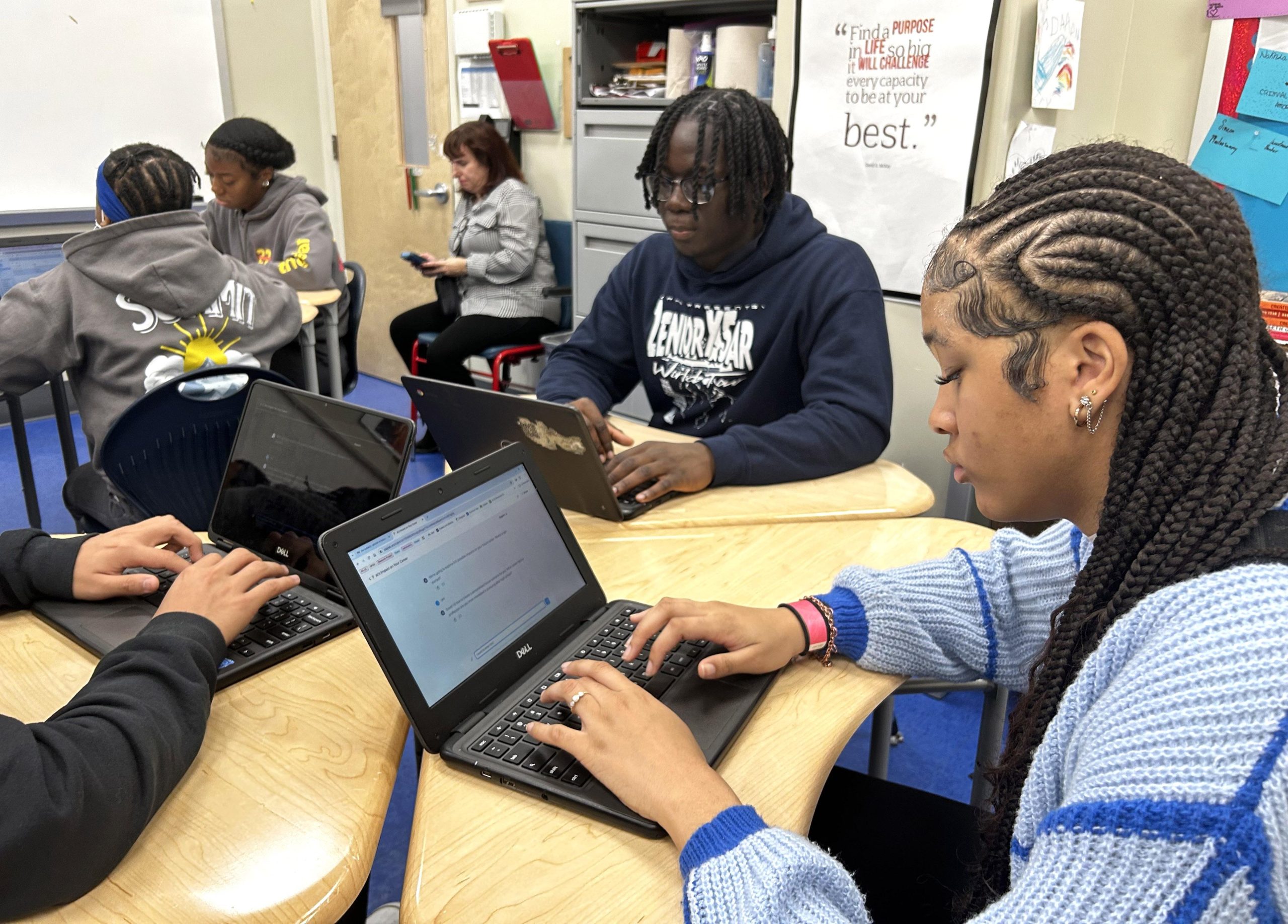
The answer could be sitting in a classroom right now.
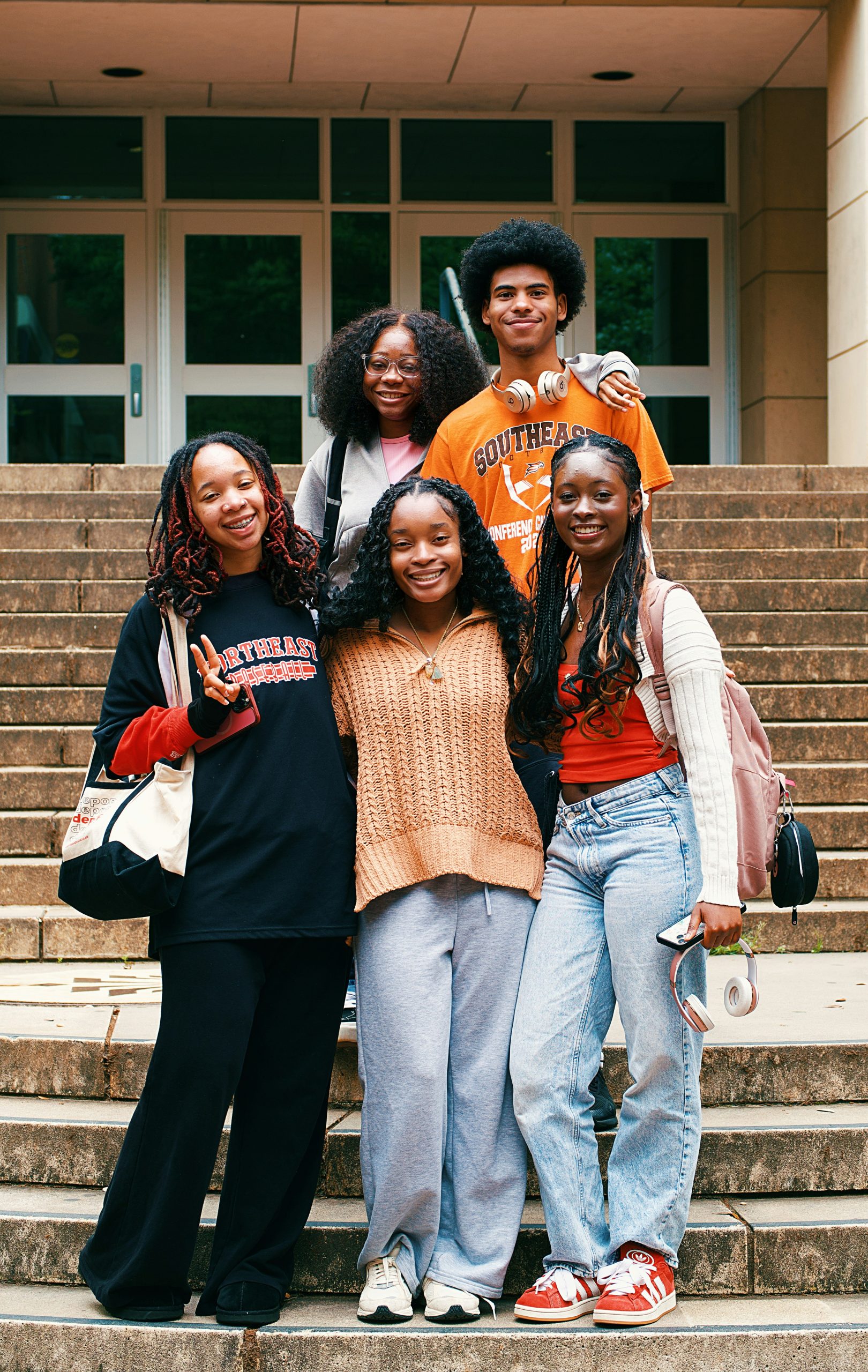
Across America and around the world, a new generation of Black students, scientists, engineers, entrepreneurs, programmers, and inventors is preparing to shape the future of technology.
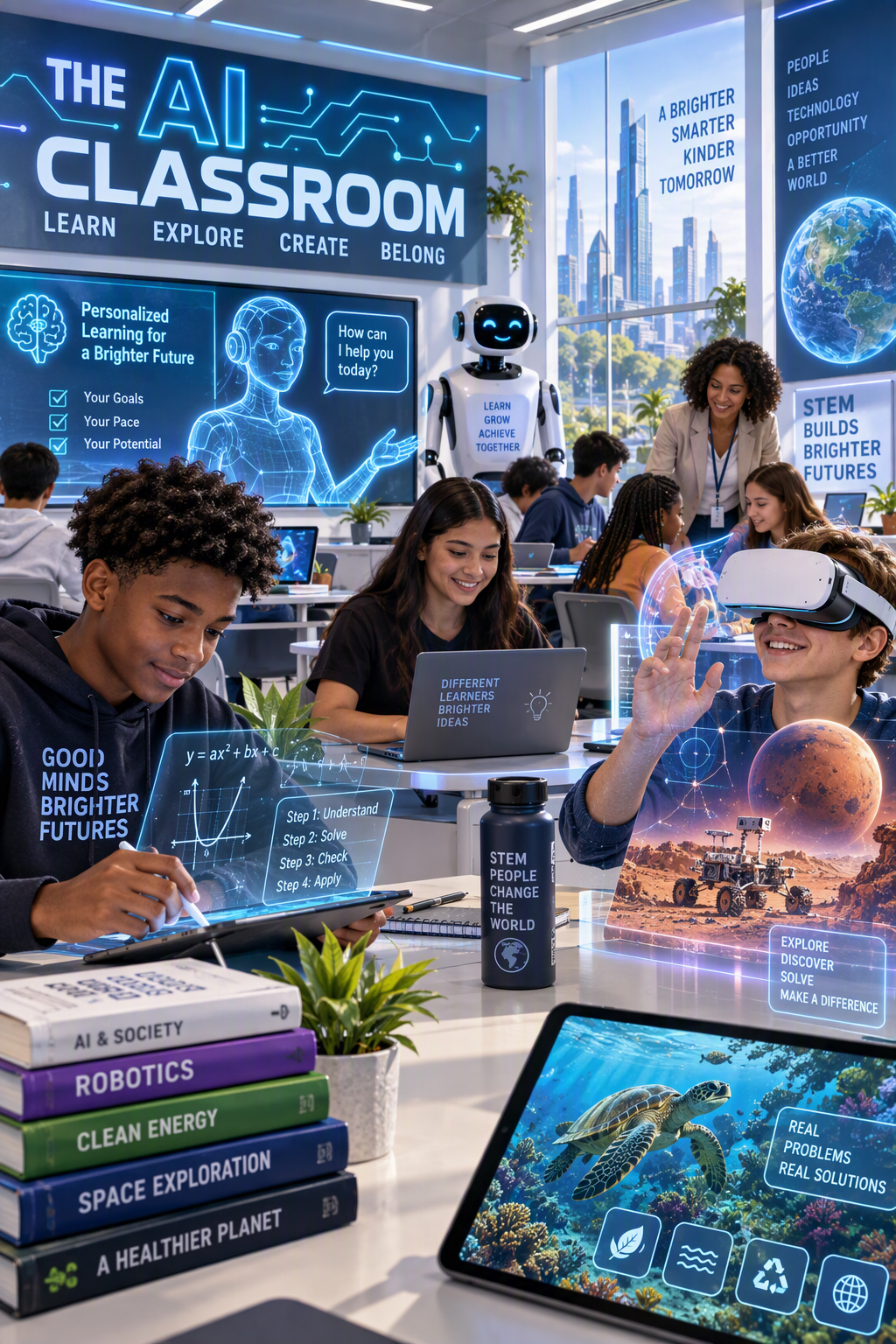
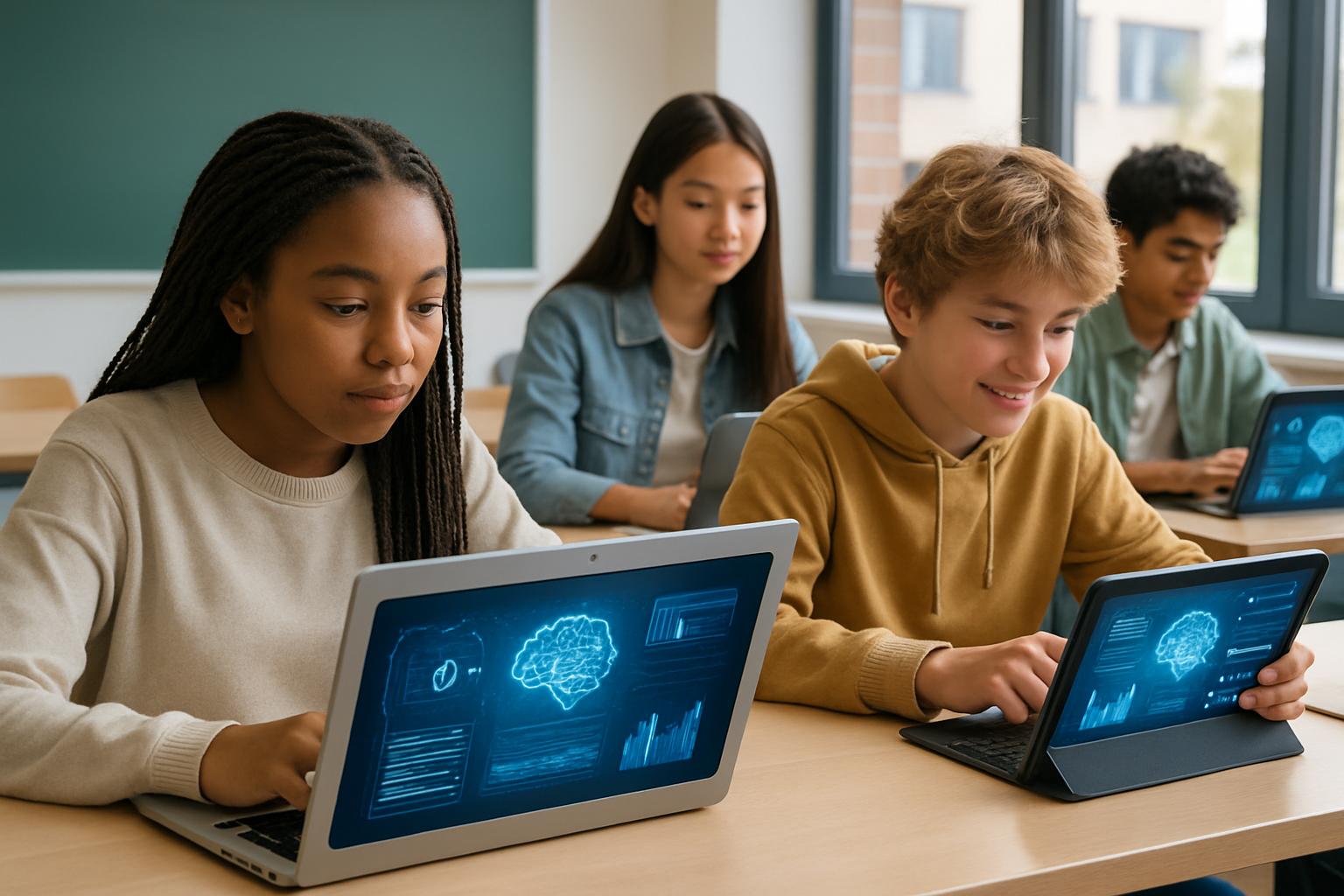
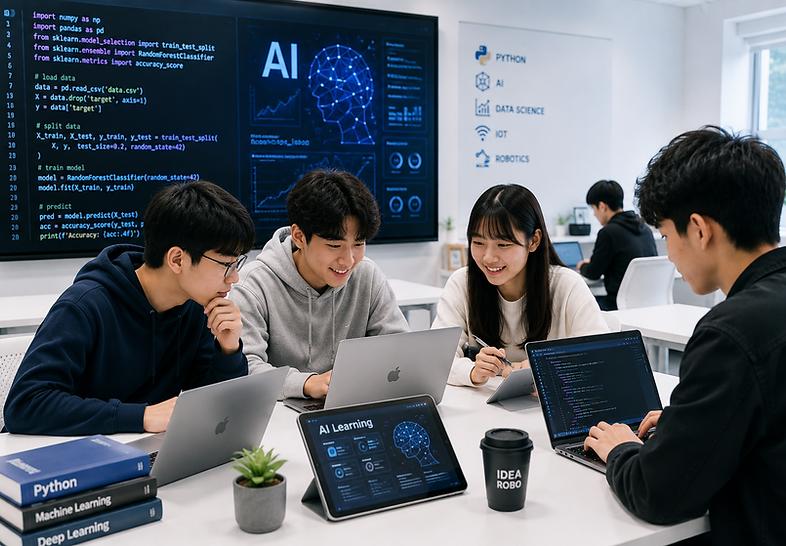
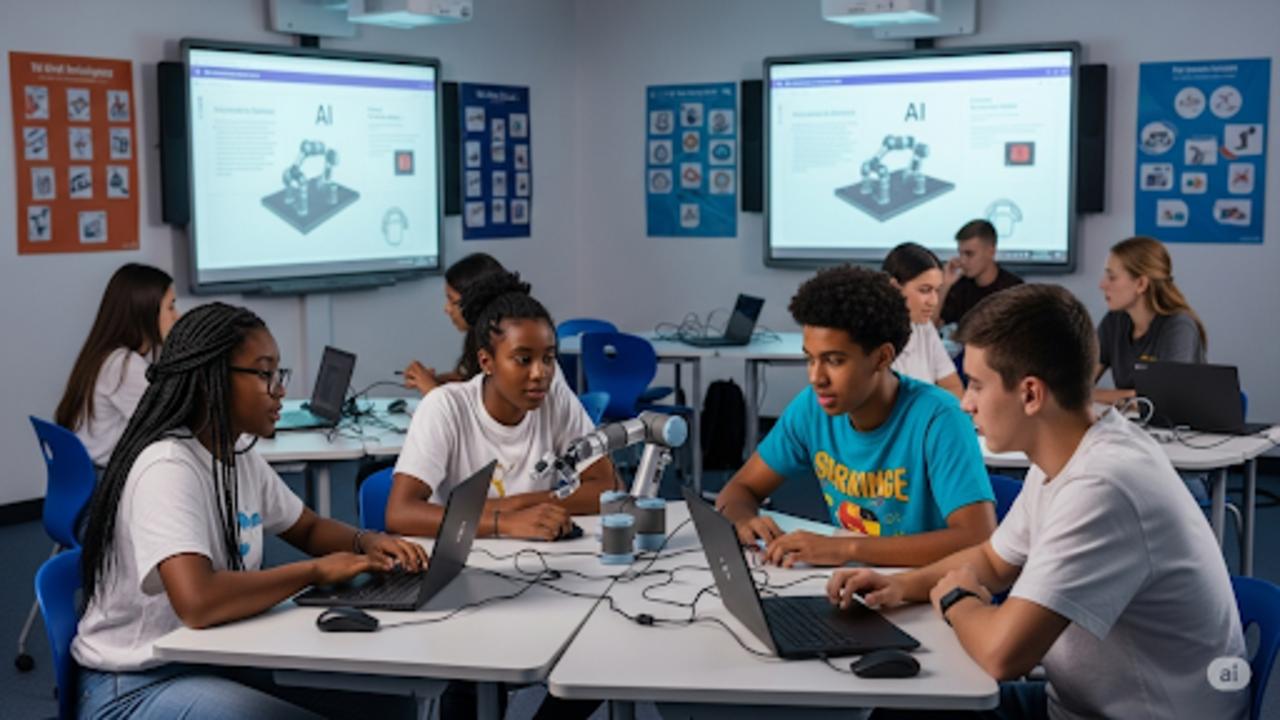
They are learning to code, building robots, experimenting with artificial intelligence, exploring biotechnology, developing mobile applications, and imagining inventions that could change the world.
Yet an important question remains: Are young Black innovators receiving the opportunities, resources, mentorship, and support they need to become tomorrow’s technology leaders?
Technology is transforming nearly every industry. Artificial intelligence is changing how businesses operate. Robotics is reshaping manufacturing and healthcare. Cybersecurity is becoming increasingly important. Space exploration, renewable energy, and biotechnology are creating new opportunities for scientific discovery.
The next generation of technology leaders must reflect the diversity of the world they serve.
Black students should not simply be consumers of technology. They should have opportunities to become the inventors, researchers, engineers, entrepreneurs, and decision-makers who develop it.
The future of innovation should include everyone.
1. Learning From the Pioneers Who Changed Technology
Before examining the next generation of Black innovators, we should recognize the individuals who helped establish the foundation for today’s technological advancements.
Black scientists, mathematicians, engineers, and inventors have made extraordinary contributions throughout history.
Their accomplishments demonstrate what is possible when talent, determination, education, and opportunity come together.
Dr. Mark Dean helped develop key technologies behind the IBM personal computer and holds multiple patents. His contributions helped advance modern computing.
Dr. Gladys West was a mathematician whose work in satellite geodesy helped contribute to the development of technologies underlying the Global Positioning System (GPS).
Katherine Johnson was a mathematician whose calculations played an important role in America’s early human spaceflight missions. Her work helped demonstrate the importance of mathematics in aerospace engineering.
Dr. Marian Croak is a computer scientist known for her pioneering contributions to Voice over Internet Protocol (VoIP) technology, which helped advance internet-based communications.
Dr. Shirley Ann Jackson is a physicist whose research contributed to developments in telecommunications technology and scientific understanding.
Dr. Lonnie Johnson, an engineer and inventor, developed the Super Soaker water toy and has also worked on advanced energy technologies.
These innovators represent different generations and scientific disciplines, but they share something important: they used knowledge, creativity, and determination to solve problems.
Their stories should be part of the educational experience for every student.
Young people need to understand that Black history includes scientific discoveries, engineering achievements, technological breakthroughs, and entrepreneurial success.
The next chapter of that history is being written today.
2. The New Generation Is Entering the AI Revolution
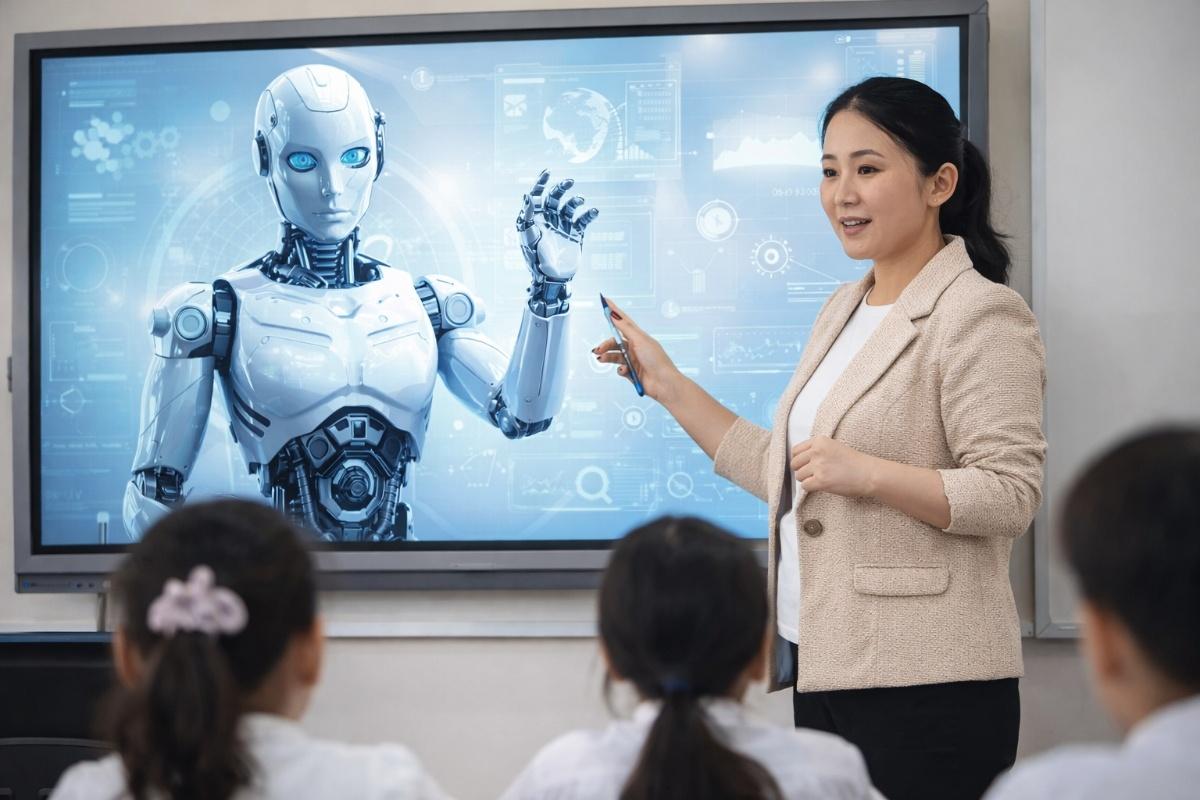
Artificial intelligence is one of the most significant technological developments of our time.
AI systems can analyze enormous amounts of information, recognize patterns, generate content, support scientific research, and assist people with complex tasks.
The technology is already influencing healthcare, education, transportation, finance, entertainment, and manufacturing.
For young Black innovators, this transformation represents an enormous opportunity.
Students who learn how AI works can eventually develop applications that address challenges in their communities and beyond.
Imagine a young programmer creating an AI application that helps students improve their reading skills.
Another student might develop an intelligent system that helps doctors identify diseases earlier.
A high school robotics team could build an autonomous machine designed to collect trash from neighborhood waterways.
A young entrepreneur might create an AI-powered business platform that helps small businesses manage their operations.
These are not simply classroom exercises. They are examples of how technology can be used to solve real problems.
However, students must move beyond simply using AI applications.
They should learn about machine learning, algorithms, programming, data science, computer vision, and responsible AI development.
The next generation should understand how technology works so they can help determine how it should evolve.
3. Why Representation Matters in Technology
Representation is important because young people need to see what is possible.
When students encounter scientists, engineers, and technology entrepreneurs who share aspects of their backgrounds and experiences, they may begin to imagine themselves pursuing similar careers.
Representation does not guarantee success, but it can help challenge assumptions about who belongs in science and technology.
Technology companies influence how people communicate, learn, shop, receive healthcare, and access information.
The people developing these systems make important decisions about how technology is designed and used.
A diverse technology workforce can bring different experiences, perspectives, and problem-solving approaches to the development process.
For example, developers who understand the challenges facing underserved communities may recognize problems that others overlook.
They may create applications that improve access to education, financial services, transportation, healthcare, and employment opportunities.
This is especially important as artificial intelligence becomes more influential.
AI systems can reflect biases in the information used to develop them.
Developing fair and responsible technology requires people who understand different communities and are willing to examine how technological decisions affect society.
Representation should therefore be viewed not simply as a matter of visibility, but as an important part of building better technology.
4. The Digital Divide: Closing the Technology Opportunity Gap
One of the greatest challenges facing the next generation of Black innovators is unequal access to technology education.
Some students attend schools with advanced computer laboratories, robotics programs, engineering courses, and reliable internet access.
Others attend schools where technology resources are limited.
This creates an opportunity gap.
A student who has access to robotics equipment, coding instruction, and experienced mentors may have an advantage over a student who has never had the opportunity to explore these subjects.
The difference is not necessarily talent or intelligence.
It may simply be access.
Closing the digital divide requires investment from schools, governments, businesses, universities, foundations, and community organizations.
Potential solutions include:
- Providing students with affordable laptops and internet access.
- Establishing community technology centers.
- Expanding computer science education.
- Creating free AI and robotics workshops.
- Developing after-school STEM programs.
- Supporting summer technology camps.
- Connecting students with professional mentors.
- Providing scholarships for STEM education.
- Establishing partnerships with technology companies.
Public libraries can also play an important role.
Libraries can provide access to computers, online courses, coding programs, digital literacy workshops, and introductory AI education.
Community-based technology programs can help students discover opportunities that might otherwise remain out of reach.
Every student deserves the opportunity to explore technology, regardless of their family’s income or neighborhood.
5. HBCUs: Developing the Next Generation of Black Technology Leaders
Historically Black Colleges and Universities (HBCUs) have played an important role in educating generations of Black professionals, scientists, engineers, educators, and business leaders.
Today, HBCUs have an opportunity to become even more influential in preparing students for the AI and technology economy.
Institutions such as Morgan State University, Howard University, North Carolina A&T State University, Hampton University, and Tuskegee University have educational and research traditions that can help support the next generation of innovators.
HBCUs can expand their influence through:
Artificial Intelligence Research: Developing programs that introduce students to machine learning, data science, and AI engineering.
Robotics Laboratories: Providing opportunities for students to design, build, and program robots.
Cybersecurity Education: Preparing students to protect computer systems, businesses, and government infrastructure.
Technology Entrepreneurship: Helping students turn innovative ideas into startups and successful businesses.
Corporate Partnerships: Connecting students with technology companies through internships, mentorships, and research opportunities.
Innovation Centers: Creating environments where students can experiment, collaborate, and develop new technologies.
HBCUs should also strengthen relationships with K-12 schools.
High school students could participate in university summer programs, robotics competitions, research demonstrations, and technology workshops.
These experiences would help students see college as a pathway into advanced technology careers.
The opportunity is significant.
HBCUs can become important centers of Black innovation and technological entrepreneurship.
6. Black Entrepreneurs Are Building the Future
Technology leadership is not limited to working for large corporations.
Entrepreneurship gives innovators the opportunity to create their own companies, develop new products, and solve problems through business.
Black technology entrepreneurs are already demonstrating what is possible.
Consider several influential examples:
Tristan Walker founded Walker & Company Brands, a consumer products company focused on addressing the needs of underserved consumers. His work demonstrated how identifying overlooked markets can create successful businesses.
Kimberly Bryant founded Black Girls CODE, an organization established to introduce girls of color to computer programming and technology education.
Freada Kapor Klein, an investor and advocate for diversity in technology, has helped advance conversations about inclusion and opportunity in the technology industry.
Tope Awotona, founder of Calendly, built a successful software company that helps individuals and businesses manage scheduling.
Arian Simone, co-founder of the Fearless Fund, has supported investment and entrepreneurship opportunities for women of color.
Their experiences demonstrate that innovation can emerge from identifying problems, understanding customers, and developing solutions that meet real needs.
The next generation of Black technology entrepreneurs could build companies focused on:
- Artificial intelligence.
- Robotics and automation.
- Educational technology.
- Cybersecurity.
- Healthcare technology.
- Financial technology.
- Renewable energy.
- Gaming and entertainment.
- Agricultural technology.
- Transportation and logistics.
Students should learn that creating technology companies is a possible career pathway.
They do not have to wait for someone else to permit them to innovate.
7. The Future of Black Innovation in Robotics
Robotics is another field where young Black innovators can make significant contributions.
Robots are transforming manufacturing, healthcare, agriculture, transportation, and scientific research.
But designing and building robots requires more than programming.
It involves mechanical engineering, electronics, mathematics, physics, computer science, and creative problem-solving.
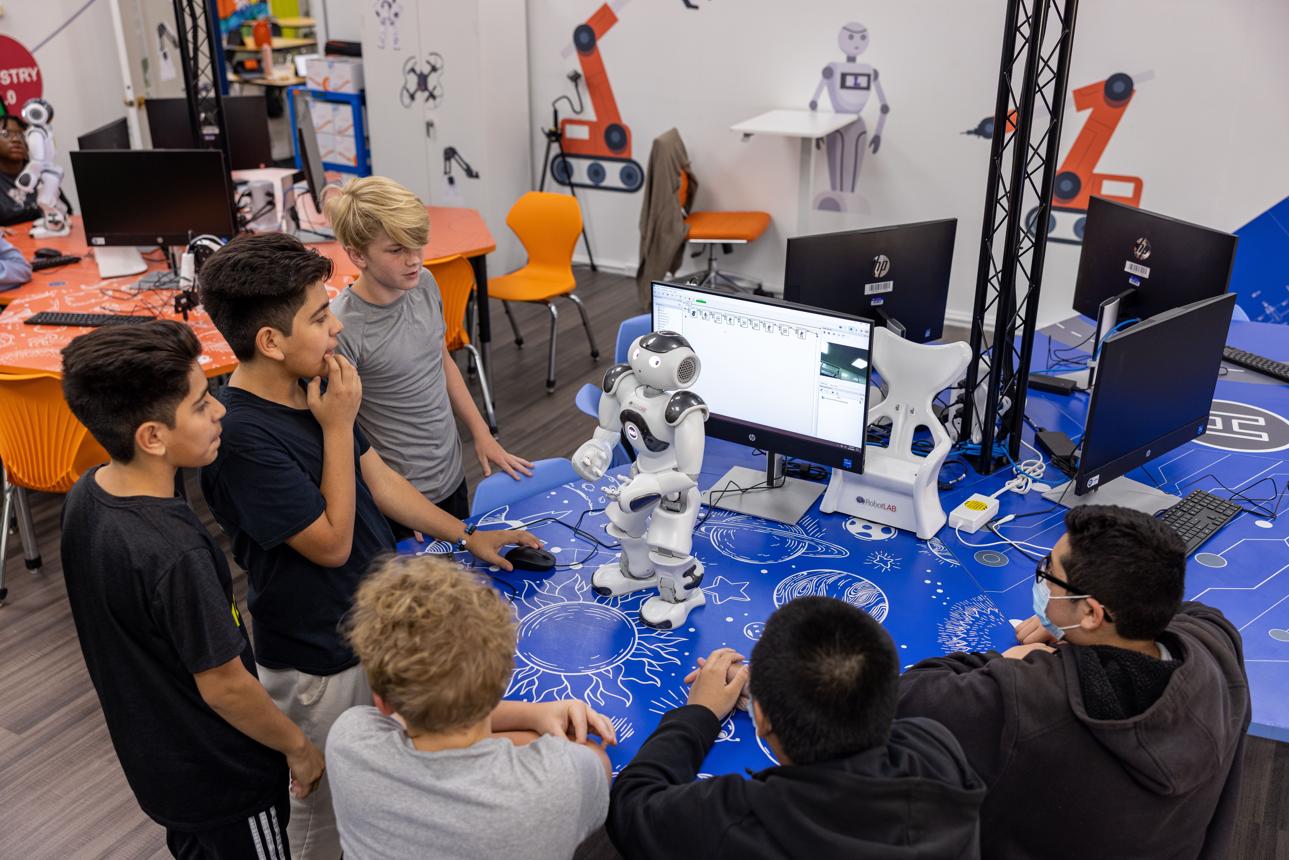
Schools can introduce students to robotics through hands-on projects.
For example, students could build robots that:
- Assist people with physical disabilities.
- Help clean waterways.
- Monitor environmental conditions.
- Deliver supplies in hospitals.
- Support agricultural production.
- Assist with disaster response.
- Explore underwater environments.
These projects help students connect engineering concepts to meaningful challenges.
Robotics competitions can also encourage students to develop leadership, teamwork, and technical skills.
A student who builds a simple robot today could eventually become an engineer designing advanced medical equipment or autonomous machines.
The possibilities are enormous.
8. Black Innovators and the Future of Cybersecurity
As the world becomes increasingly connected, cybersecurity is becoming essential.
Businesses, hospitals, schools, financial institutions, government agencies, and individuals depend on digital systems to operate.
Cyberattacks can expose private information, disrupt services, damage infrastructure, and create serious financial losses.
This creates growing opportunities for cybersecurity professionals.
Young Black students should be introduced to cybersecurity at an early age.
They can begin by learning about:
- Online safety.
- Password security.
- Computer networks.
- Data protection.
- Ethical hacking.
- Digital privacy.
- Cyber threat detection.
- Information security.
Advanced students can explore cybersecurity competitions, technical certifications, internships, and university programs.
Cybersecurity is an especially important career pathway because it connects technology with public safety, business protection, and national security.
The next generation of Black cybersecurity professionals could help protect the digital systems that society depends on.
9. The Role of Parents, Teachers, and Mentors
Developing the next generation of Black innovators requires support from adults who recognize and encourage student potential.
Parents can help by exposing children to educational technology, science experiments, coding activities, robotics kits, and STEM-related books.
Teachers can encourage students to explore subjects beyond the traditional classroom curriculum.
Mentors can introduce young people to career opportunities, explain educational pathways, and provide practical advice.
Businesses can provide internships, scholarships, equipment, and access to experienced professionals.
Community organizations can organize technology fairs, innovation challenges, and STEM enrichment programs.
Young people also need encouragement when they encounter obstacles.
Learning to program a computer, design a robot, or develop a scientific experiment involves mistakes and repeated attempts.
Students should understand that failure is part of innovation.
A failed experiment is not necessarily a setback. It may be the first step toward discovering a better solution.
The next generation needs environments where curiosity is encouraged, questions are welcomed, and creativity is rewarded.
10. Building Black Innovation Hubs in Our Communities
What if communities developed their own technology innovation centers?
Imagine a neighborhood facility where young people could learn computer programming, experiment with robotics, explore artificial intelligence, create video games, and develop mobile applications.
Such a center could offer educational programs for elementary, middle, and high school students.
It could also provide technology training for adults interested in changing careers.
A Black Innovation Hub could include:
- An AI and machine learning laboratory.
- A robotics and engineering workshop.
- A computer programming classroom.
- A cybersecurity training center.
- A digital media and gaming studio.
- A technology entrepreneurship program.
- A mentorship and internship network.
- A business startup support center.
Universities, technology companies, foundations, and local businesses could partner with these centers.
Students could develop inventions, participate in competitions, and receive support turning promising ideas into businesses.
Communities should not have to wait for large technology companies to establish opportunities elsewhere.
They can begin developing their own innovation ecosystems.
This could be especially valuable in Baltimore and other cities with strong educational institutions, HBCUs, community organizations, and talented young people.
The goal would be to connect education, technology, entrepreneurship, and economic development.
11. The Next Generation of Black Technology Leaders Must Understand Ethics
Technology creates opportunities, but it also carries responsibilities.
Artificial intelligence can influence decisions involving education, healthcare, employment, finance, and public services.
Robotics can change workplace conditions and employment opportunities.
Data collection can create privacy concerns.
Automated systems can produce unfair outcomes when they are developed without adequate consideration of different populations.
Future technology leaders must understand that innovation is not simply about creating something new.
It is also about considering the consequences of what they create.
Young innovators should learn to ask important questions:
- Is this technology fair?
- Does it protect people’s privacy?
- Could it create unintended harm?
- Who benefits from this invention?
- Is the technology accessible to different communities?
- How can we make it safer and more reliable?
Ethics and responsible technology development should be part of STEM education.
The next generation should understand that being a successful technology leader involves more than technical knowledge.
It requires responsibility, integrity, leadership, and concern for society.
12. What Schools Should Do to Develop Future Black Innovators
Schools have an important opportunity to help develop the next generation of technology leaders.
However, encouraging students to pursue STEM careers requires more than telling them that science and technology are important.
Students need practical experiences.
Here are ten recommendations for schools and educational leaders.
1. Expand STEM Programs
Provide students with more opportunities to explore science, technology, engineering, and mathematics.
2. Introduce AI Education
Teach students how artificial intelligence works and how it can be used responsibly.
3. Establish Robotics Clubs
Create hands-on programs where students can design, build, and program robots.
4. Develop Technology Mentorship Programs
Connect students with Black engineers, scientists, programmers, and entrepreneurs.
5. Partner With HBCUs
Create opportunities for students to participate in college workshops, research programs, and summer STEM camps.
6. Provide Technology Scholarships
Help students access educational opportunities in computer science, engineering, and related fields.
7. Create Innovation Challenges
Encourage students to develop inventions that address problems in their schools and communities.
8. Improve Digital Access
Ensure students have access to computers, reliable internet, and appropriate educational software.
9. Expand Career Exploration
Introduce students to emerging occupations in AI, robotics, cybersecurity, biotechnology, and engineering.
10. Celebrate Black STEM Achievement
Recognize Black scientists, engineers, inventors, and technology entrepreneurs throughout the school year.
These steps can help students recognize that they belong in the future of technology.
13. Looking Ahead: Black Innovators in 2035
Imagine the year 2035.
A young Black engineer leads a robotics company developing machines that assist people with disabilities.
A former high school student has become an AI researcher working on technology that improves early disease detection.
A group of college graduates has launched a cybersecurity company protecting small businesses and community organizations.
An HBCU graduate has developed an educational platform that provides affordable personalized learning opportunities to students around the world.
A young entrepreneur has created a clean-energy company developing affordable technology for underserved neighborhoods.
These are possibilities worth investing in today.
The next generation of Black innovators will not be limited to one industry.
They could become leaders in medicine, space exploration, artificial intelligence, robotics, environmental science, engineering, entertainment, and entrepreneurship.
But success will require access to quality education, financial support, professional networks, and opportunities to experiment.
The future does not simply happen.
People build it.
Conclusion: The Next Technology Revolution Needs Black Innovators
The future of technology is being developed right now.
Artificial intelligence, robotics, cybersecurity, biotechnology, and advanced engineering are changing how the world operates.
The next generation of Black students must have opportunities to participate in these transformations.
They should not simply be trained to use technology created by others.
They should be encouraged to develop the ideas, inventions, companies, and scientific discoveries that will shape the future.
History has already demonstrated what Black scientists, mathematicians, engineers, and entrepreneurs can accomplish.
Now it is time to invest in the next generation.
Schools must expand STEM education. HBCUs must continue strengthening technology programs. Businesses must create meaningful opportunities. Communities must invest in innovation centers. Parents and mentors must encourage young people to explore their potential.
Most importantly, students must believe that they belong in the laboratories, engineering departments, research institutions, technology companies, and boardrooms where tomorrow’s decisions will be made.
A young person sitting in a classroom today could become the next great inventor.
The next robotics breakthrough could come from a student experimenting with a simple machine.
The next major AI company could begin with an idea developed by a teenager.
The next scientific discovery could come from a young researcher who was encouraged to ask one more question.
Black innovation is not just part of our history. It is an essential part of our future.
The next generation is ready to create, lead, and innovate.
The question is whether we are ready to give them the opportunities they deserve.
STEM Nastics Magazine: Student Innovation Challenge
Challenge: Become the Next Black Technology Innovator!
Imagine you are launching your own technology company in 2035.
Develop an invention or technology idea that solves a problem affecting your school, neighborhood, city, or the world.
Consider these questions:
- What problem are you trying to solve?
- Will your invention use AI, robotics, computer science, or another STEM discipline?
- Who will benefit from your invention?
- What materials, technology, or skills will you need?
- How could your invention improve people’s lives?
- What would you name your company?
Bonus Challenge: Research a Black scientist, engineer, inventor, or technology entrepreneur who inspires you. Explain how their accomplishments influenced your own vision for the future.
STEM Nastics Editorial Message
Explore. Create. Innovate. Inspire.
Our message to the next generation:
You do not have to wait for the future to arrive. You can help create it.
Learn to code. Experiment with robotics. Explore artificial intelligence. Ask questions. Develop inventions. Start businesses. Solve problems.
The next generation of Black technology leaders is not simply coming.
It is already here.