The Race to Prepare America’s Next Generation of Innovators
THE FUTURE WILL NOT BUILD ITSELF
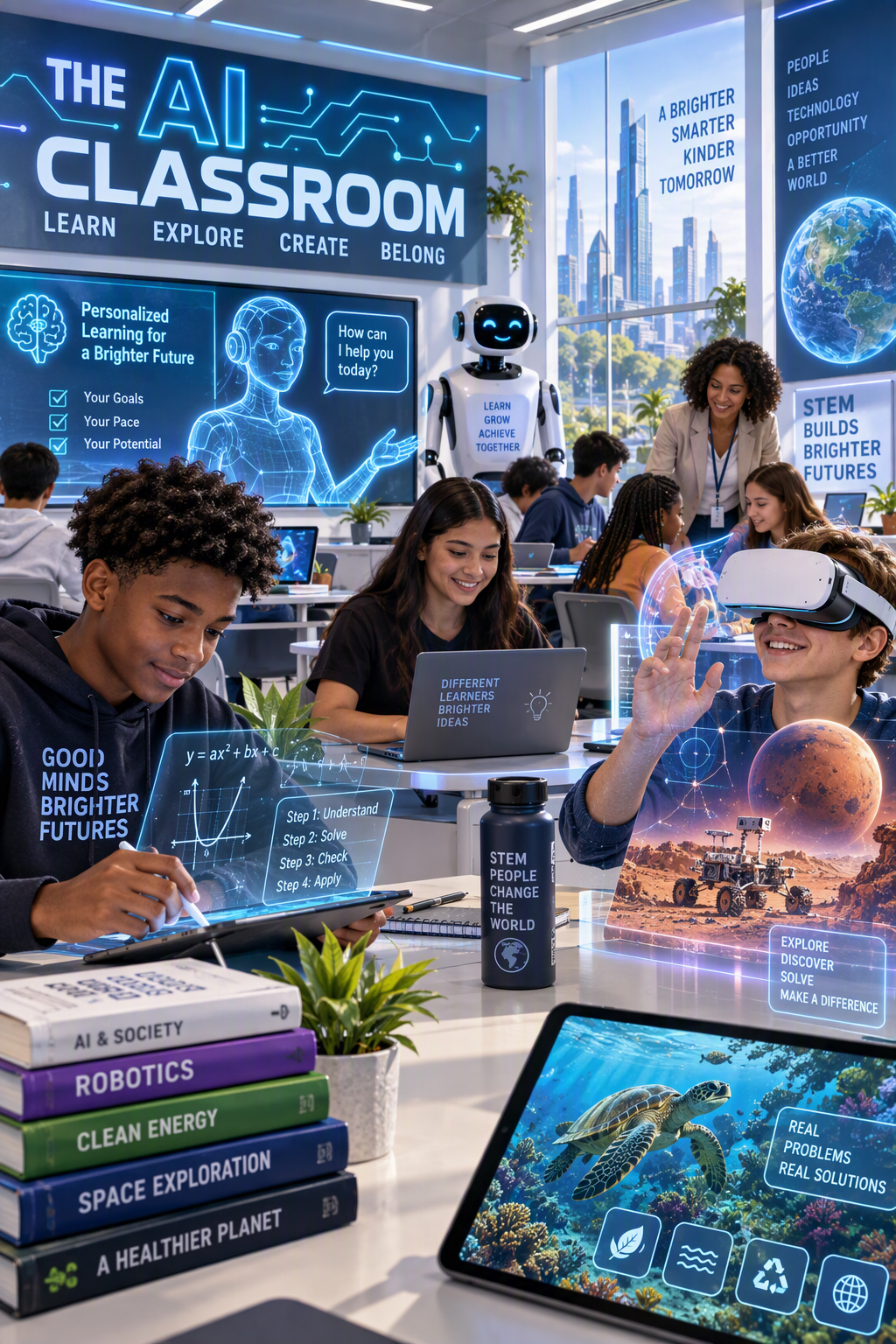
Imagine a world where robots manufacture our cars, artificial intelligence helps doctors detect diseases, computers protect our financial systems, and advanced machines explore distant planets.
Now ask a bigger question: Who will build, program, maintain, improve, and control these technologies?
The answer will determine more than America’s economic future. It will influence national security, global competitiveness, the strength of communities, and the opportunities available to the next generation.
America is investing heavily in artificial intelligence, robotics, biotechnology, quantum computing, space exploration, and advanced manufacturing. But technology alone cannot guarantee leadership. Behind every breakthrough are people with the education, skills, imagination, and determination to make it happen.
The next technology revolution needs more than billion-dollar companies. It needs millions of prepared people.
And America must begin preparing them now.
THE TECHNOLOGY WORKFORCE IS CHANGING
Tomorrow’s workforce will look very different from today’s.
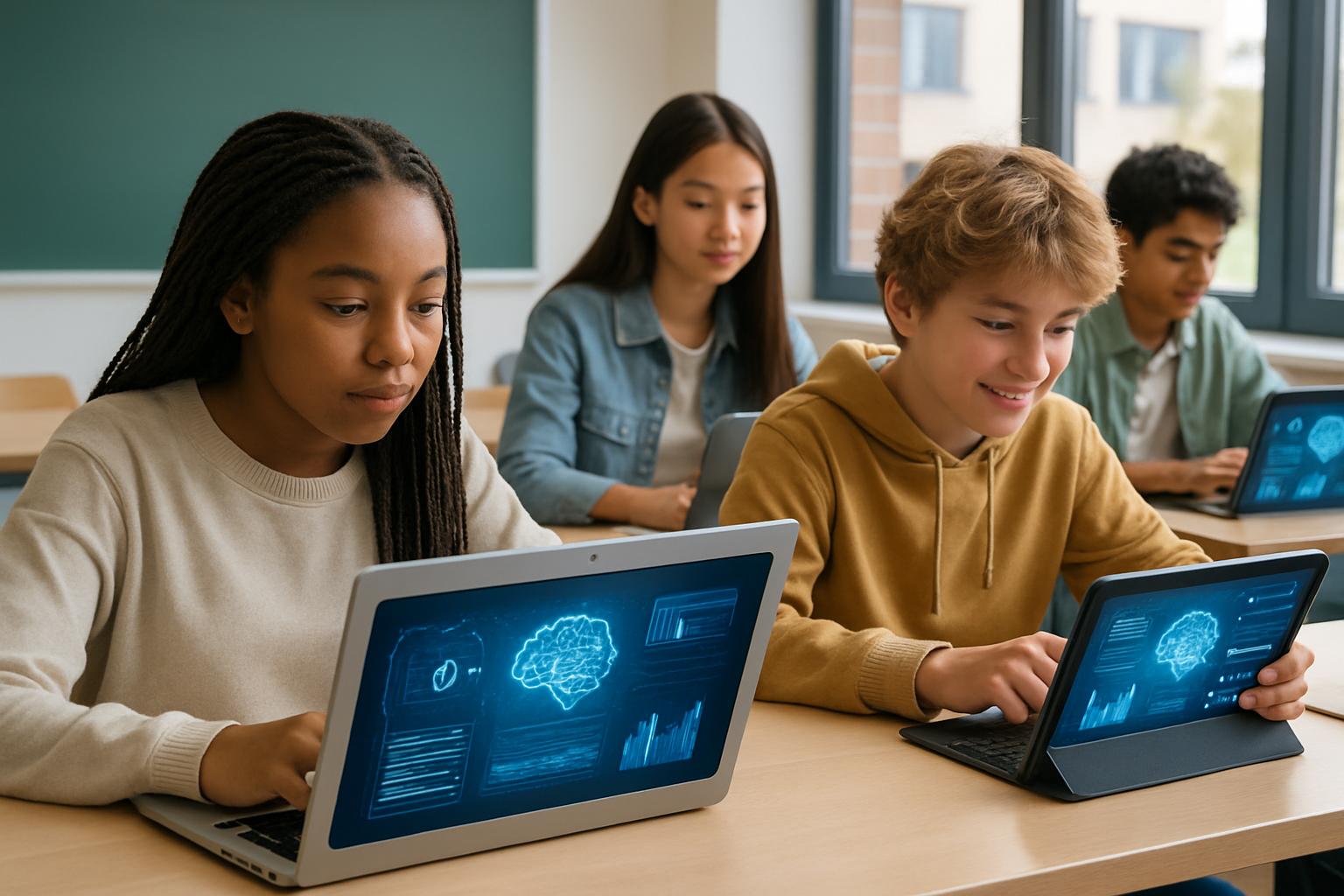
Artificial intelligence is changing how businesses operate. Robots are taking on more manufacturing tasks. Healthcare is becoming increasingly data-driven. Energy companies are developing new technologies to modernize the electrical grid. Cybersecurity professionals are protecting increasingly connected systems.
These changes will create opportunities, but they will also require workers to develop new skills.
The U.S. Bureau of Labor Statistics projects that STEM employment will grow by 8.1% between 2024 and 2034, compared with 2.7% for non-STEM employment. Its data also show that the median annual wage for STEM occupations was $103,580 in 2024, more than twice the $48,000 median for non-STEM occupations. These figures cover broad occupational categories, not every individual STEM job.
That is a significant economic opportunity—but only if Americans are prepared to participate.
The National Science Board’s 2026 report identifies the STEM workforce as essential to U.S. competitiveness. It also highlights continuing skill gaps in critical and emerging technology fields.
The challenge is not simply producing more college graduates. America needs a workforce with different levels of education and technical expertise, from doctoral researchers to community college graduates and skilled technicians.
WHO WILL BUILD THE FUTURE?
The technology workforce will depend on several groups working together.
1. The AI creators
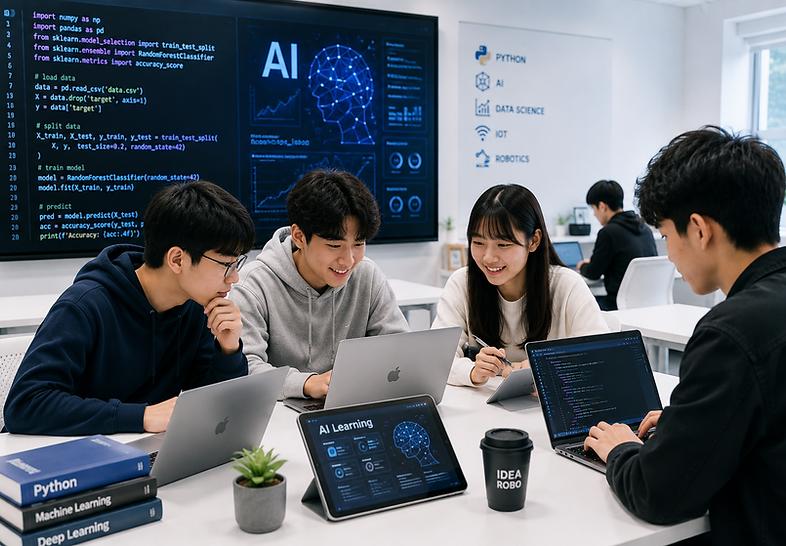
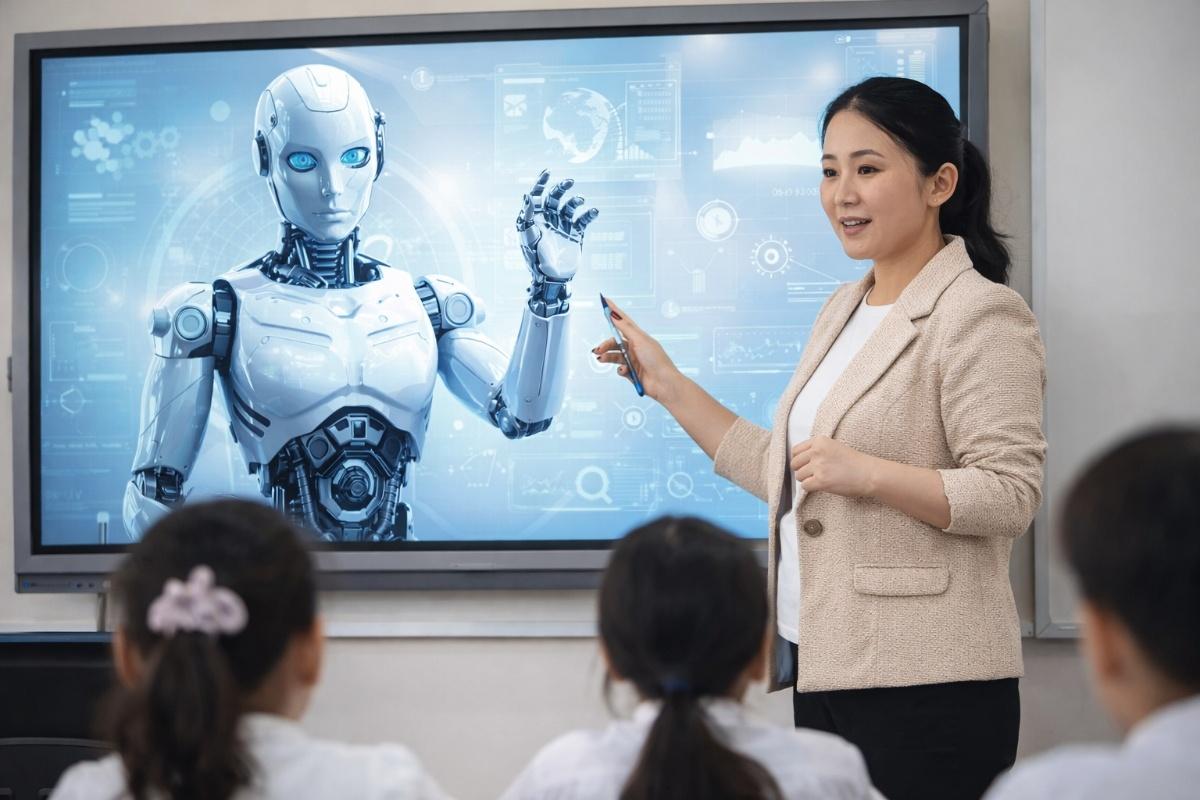
Artificial intelligence needs computer scientists, data scientists, mathematicians, software engineers, and researchers. These professionals develop algorithms, train systems, evaluate results, and work to make AI more reliable and useful.
But AI also needs people who understand its limitations, ethics, security, and effects on society.
2. The robotics workforce
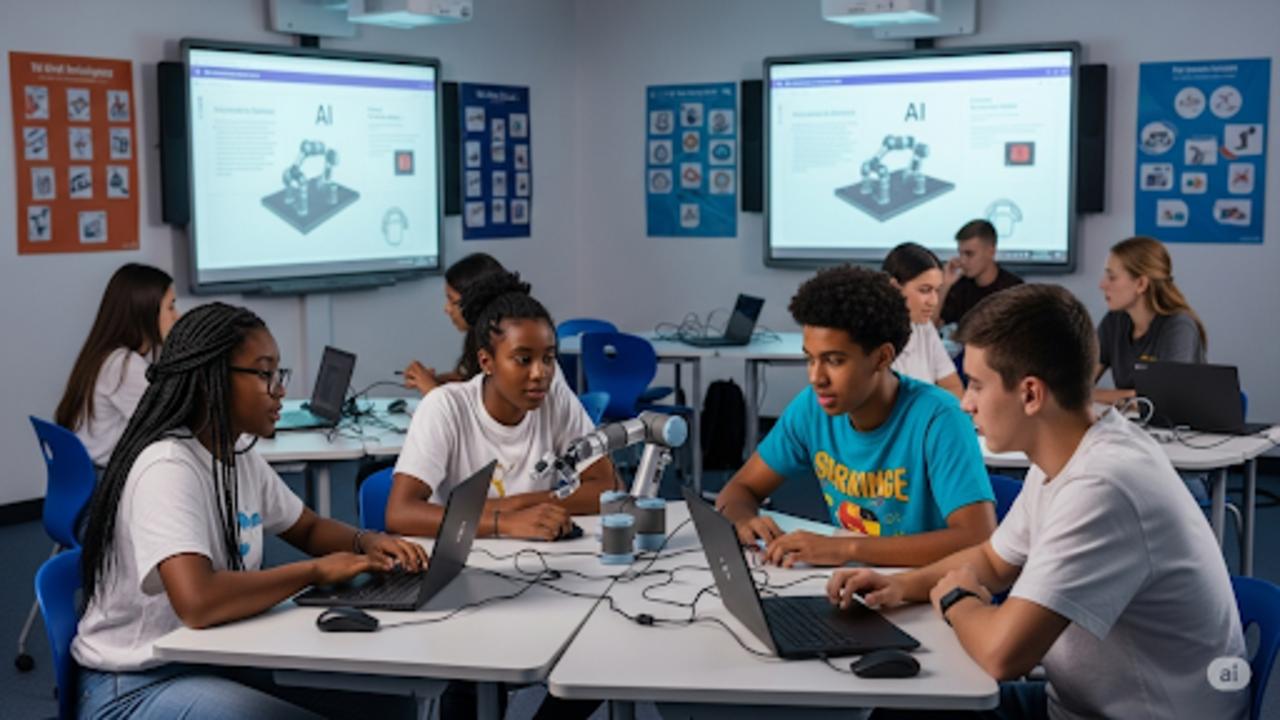
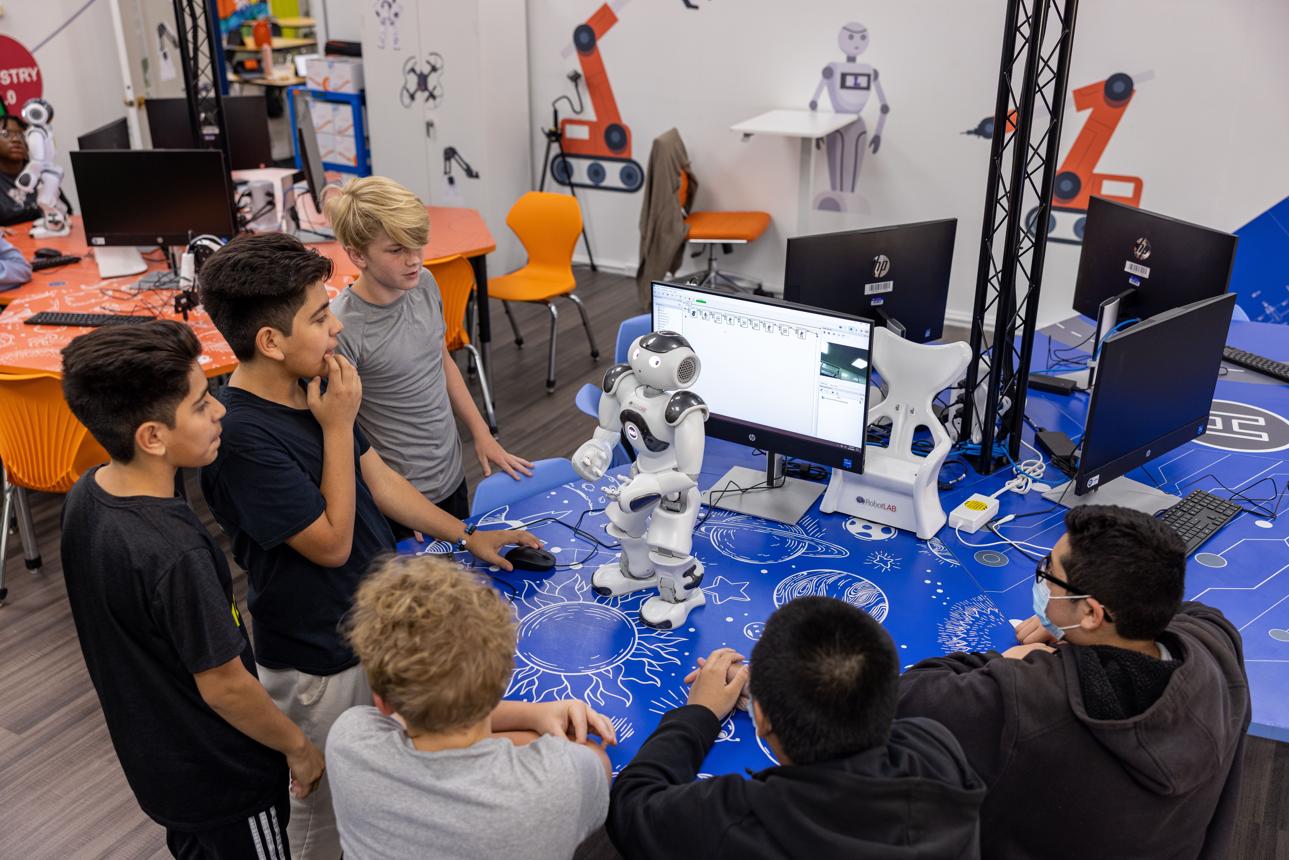
Robots do not build and maintain themselves. Robotics engineers, electrical technicians, mechanical engineers, machinists, and automation specialists will be needed to design, install, operate, and repair increasingly sophisticated equipment.
3. The cybersecurity defenders
As more services move online, organizations need professionals who can protect computer networks, investigate security problems, and help prevent digital attacks.
Cybersecurity is no longer just a technology issue. It affects hospitals, schools, banks, government agencies, businesses, and national infrastructure.
4. The advanced manufacturing workforce
America’s ability to manufacture semiconductors, batteries, medical equipment, aircraft components, and other advanced products depends on skilled workers.
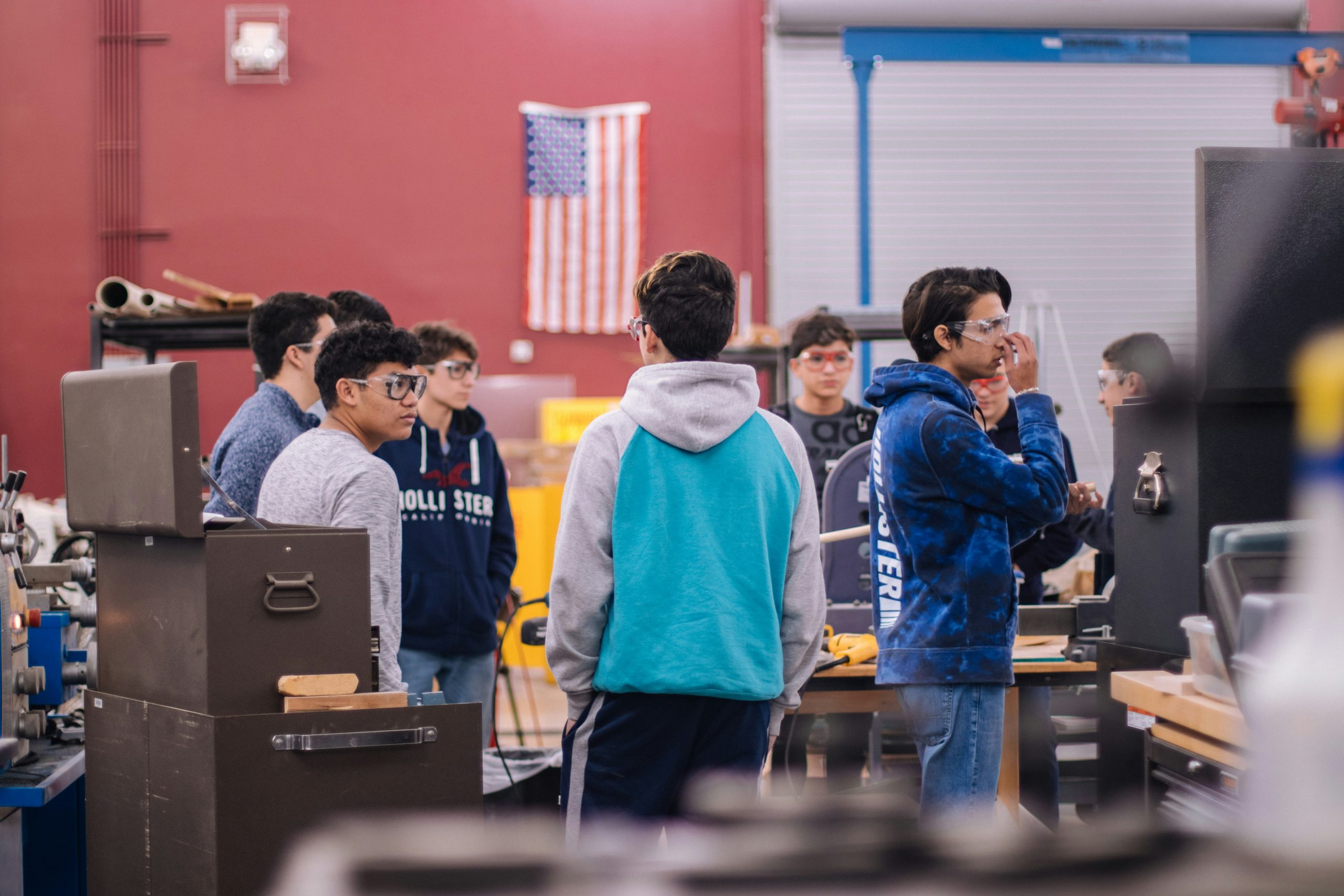
These careers may involve robotics, precision equipment, electronics, computer-controlled machinery, quality testing, and technical problem-solving.
5. Scientists and researchers
The next generation of medical discoveries, clean energy systems, materials, and space technologies will depend on scientists and engineers working in universities, laboratories, government agencies, and private companies.
6. The technology entrepreneurs
Not everyone who builds tomorrow’s technology will work for a major corporation. Some will create startups, develop new products, launch software companies, and solve problems in their own communities.
America needs an environment where young innovators can turn ideas into businesses and useful products.
THE EDUCATION SYSTEM MUST CATCH UP
There is a serious disconnect between America’s technology ambitions and the preparation many students receive.
Students cannot be expected to enter advanced technology careers without strong foundations in mathematics, science, reading, critical thinking, and communication.
A student interested in robotics needs mathematics and physics. Someone pursuing AI needs logical reasoning, statistics, and computing knowledge. A future cybersecurity specialist needs problem-solving skills and an understanding of digital systems.
Schools must stop treating STEM as an occasional activity and begin making it a central part of education.
That means stronger mathematics instruction, modern science laboratories, computer science opportunities, robotics programs, teacher training, and career-connected learning.
It also means introducing students to technology careers before they reach high school.
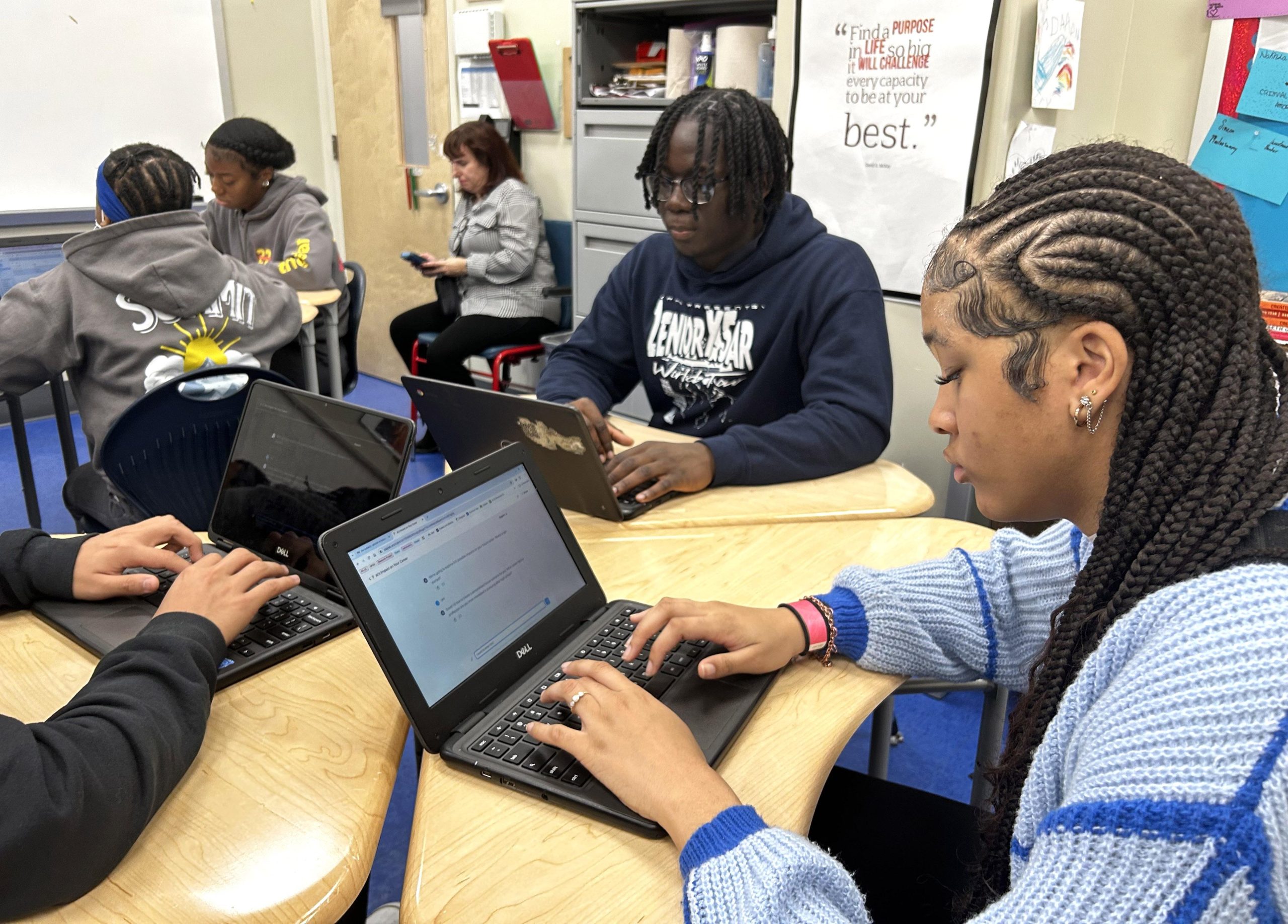
A child who builds a simple robot, explores computer programming, or experiments with a science project may discover an interest that changes their future.
THE COLLEGE DEGREE IS NOT THE ONLY PATH
One of the biggest mistakes America could make is assuming every technology career requires a four-year college degree.
Some careers require advanced degrees. Others can be entered through community colleges, technical schools, apprenticeships, industry certifications, and employer training programs.
A robotics maintenance technician, semiconductor equipment technician, or advanced manufacturing specialist can play an essential role in the technology economy.
Community colleges could become major centers for preparing workers in automation, electronics, AI applications, cybersecurity, and advanced manufacturing.
High schools should also strengthen career and technical education so students can graduate with practical skills and a clearer understanding of available careers.
The goal should be to create multiple pathways into good jobs—not one narrow definition of success.
THE TALENT GAP: WHO GETS TO PARTICIPATE?
America cannot build an innovative economy while leaving entire communities behind.
Students in wealthy school districts may have access to advanced laboratories, experienced teachers, technology programs, and college preparation. Students in under-resourced communities may have fewer opportunities.
That difference can shape who enters the technology workforce.
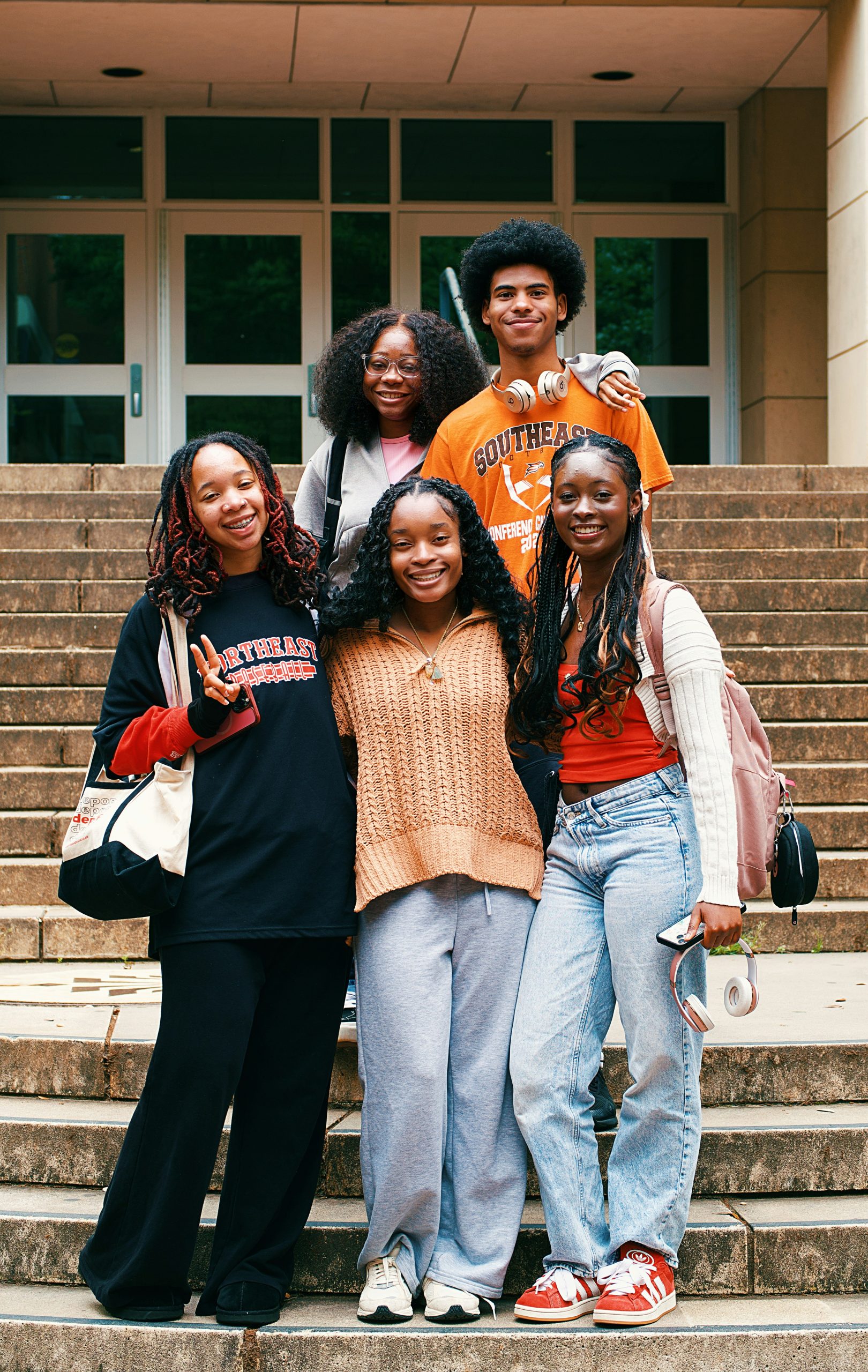
Black and Hispanic students, girls, students with disabilities, and young people from low-income families must have meaningful access to STEM education and career opportunities.
Historically Black colleges and universities (HBCUs) have an important role to play. They can expand research partnerships, prepare technology professionals, support entrepreneurs, and connect students to employers.
But the pipeline must begin earlier. HBCUs, public schools, community colleges, technology companies, and community organizations should work together to create opportunities that reach students in middle school and high school.
The country cannot afford to overlook future scientists, engineers, and entrepreneurs simply because they grew up in communities with fewer resources.
Talent exists everywhere. Opportunity does not.
WHAT AMERICA CAN LEARN FROM ITS GLOBAL COMPETITORS
Countries around the world understand that technology leadership depends on education, research, infrastructure, and workforce preparation.
China has made major investments in manufacturing, robotics, engineering, and scientific research. Other countries are strengthening technical education and building partnerships between schools, universities, and industries.
America has important advantages, including world-class universities, research institutions, entrepreneurial networks, and a strong innovation ecosystem.
But leadership is not permanent.
The United States must ensure that its education system and workforce development programs move at the speed of technological change.
The National Science Foundation’s 2026–2030 strategic plan specifically identifies developing the next-generation STEM workforce as part of advancing American leadership in science and technology.
That is the right direction. The challenge is turning national goals into opportunities students can actually access.
THE STEM NASTICS AMERICA 2035 PLAN
What would it take to prepare America for the technology economy of 2035?
Stem Nastics proposes six priorities:
1. A STEM foundation in every school.
Expand access to mathematics, science, engineering, computer science, and hands-on technology learning.
2. Community technology centers.
Establish accessible learning centers where young people and adults can explore AI, robotics, coding, electronics, and digital skills.
3. A national teacher investment.
Provide educators with professional development, modern teaching resources, and partnerships with universities and technology companies.
4. HBCU and community college innovation partnerships.
Increase research opportunities, internships, scholarships, and technical training programs.
5. A technology apprenticeship pipeline.
Connect students with manufacturers, hospitals, laboratories, energy companies, and technology businesses through supervised work-based learning.
6. Innovation opportunities in underserved communities.
Support youth entrepreneurship, local technology challenges, STEM competitions, and community-based research projects.
The country should track progress through measurable outcomes: student achievement, participation in advanced courses, access to qualified teachers, completion of technical credentials, and successful transitions into STEM careers.
THE READER ACTION PLAN: START BUILDING TODAY
The future workforce is being shaped right now. Here is how different groups can help:
- Students: Explore mathematics, science, AI, robotics, coding, and engineering. Build projects, ask questions, and learn how technology works.
- Parents: Encourage curiosity and help children find affordable STEM activities, clubs, libraries, and educational programs.
- Schools: Connect classroom lessons to real-world technology and provide more hands-on learning.
- Colleges and HBCUs: Expand partnerships with schools and businesses to create clear education-to-career pathways.
- Businesses: Invest in internships, apprenticeships, mentoring, and training instead of waiting until students graduate to look for talent.
- Community organizations: Create local STEM events, technology workshops, and opportunities for families to learn together.
- Policymakers: Make long-term investments in mathematics, science education, teacher development, research, and workforce preparation.
THE FINAL QUESTION: WILL AMERICA PREPARE THE PEOPLE WHO BUILD THE FUTURE?
The next technology revolution will not be decided by computers alone. It will be shaped by the people who design them, program them, maintain them, improve them, and decide how they should be used.
America has the universities, companies, research institutions, and entrepreneurial spirit to remain a global technology leader. But those advantages mean little if the next generation is not prepared to take the lead.
We must stop thinking of STEM education as an optional enrichment program. It is an investment in the nation’s economic future.
The future should not belong only to people who already have access to the best schools, laboratories, and opportunities. It should be open to talented young people in every community.
Tomorrow’s technology will be built by today’s students. The question is whether America is preparing them well enough to lead.
The race for the future is not just about who invents the next machine. It is about who develops the people capable of inventing what comes next.
Stem Nastics Magazine believes the next generation should not simply use the technology of tomorrow. They should have the knowledge and opportunity to build it.
The workforce projections in this article are estimates, not guarantees. The BLS projects STEM employment growth of 8.1% from 2024 to 2034, while the National Science Foundation identifies talent development as a strategic priority for U.S. technology leadership. Bureau of Labor Statistics+2