The smartphone is no longer the only star of personal technology. This fall, a wave of smart devices is arriving that you wear on your face, wrist, and fingers, carry in your pocket, or place on your kitchen counter, each designed around the same idea: artificial intelligence that follows you through the day instead of waiting inside an app. Here is what is landing now, what is still on the horizon, and what to think about before you buy.
Smart Glasses Take Center Stage
No category is moving faster than smart glasses. At Meta Connect on September 23 and 24, Meta unveiled a broad lineup, with reports describing seven new AI products. Highlights include a refreshed Ray-Ban Meta Gen 3 with a 12-megapixel camera, 3K video and a battery rated for roughly nine hours, reportedly starting at $449 in the U.S., and an expanded Meta Ray-Ban Display with a small built-in screen. Meta also introduced its first camera-free audio glasses, which handle calls, music, and AI requests without recording video. Reports put the overall range at roughly $249 to $1,299, and Meta says its glasses styles across Ray-Ban, Oakley and its own brand will pass 100 by the end of the year.
Competition is arriving too. Google and its partners have said Android XR glasses are coming this fall, with Samsung and Xreal among the names expected, and Snap has been taking pre-orders for its Specs. Apple is widely reported to be working on its own glasses, though most reports point to a later launch, possibly 2027. Specific prices and dates for products that have not shipped yet are mostly reports and rumors, so treat them as approximate until the companies confirm them.
Why Glasses, and Why Now?
Three things have come together:
- Better AI. Assistants can now understand speech, images, and context well enough to answer questions about what you are looking at.
- Better hardware. Lightweight frames, efficient chips, and small displays make glasses that look like ordinary eyewear possible.
- Real demand. Meta has described its AI glasses as one of the fastest-growing consumer electronics categories in history, which has convinced rivals to jump in.
Beyond Glasses: The Rest of the Wearable Crowd
Glasses are only part of a broader push to put technology “on you” rather than “in your hand”:
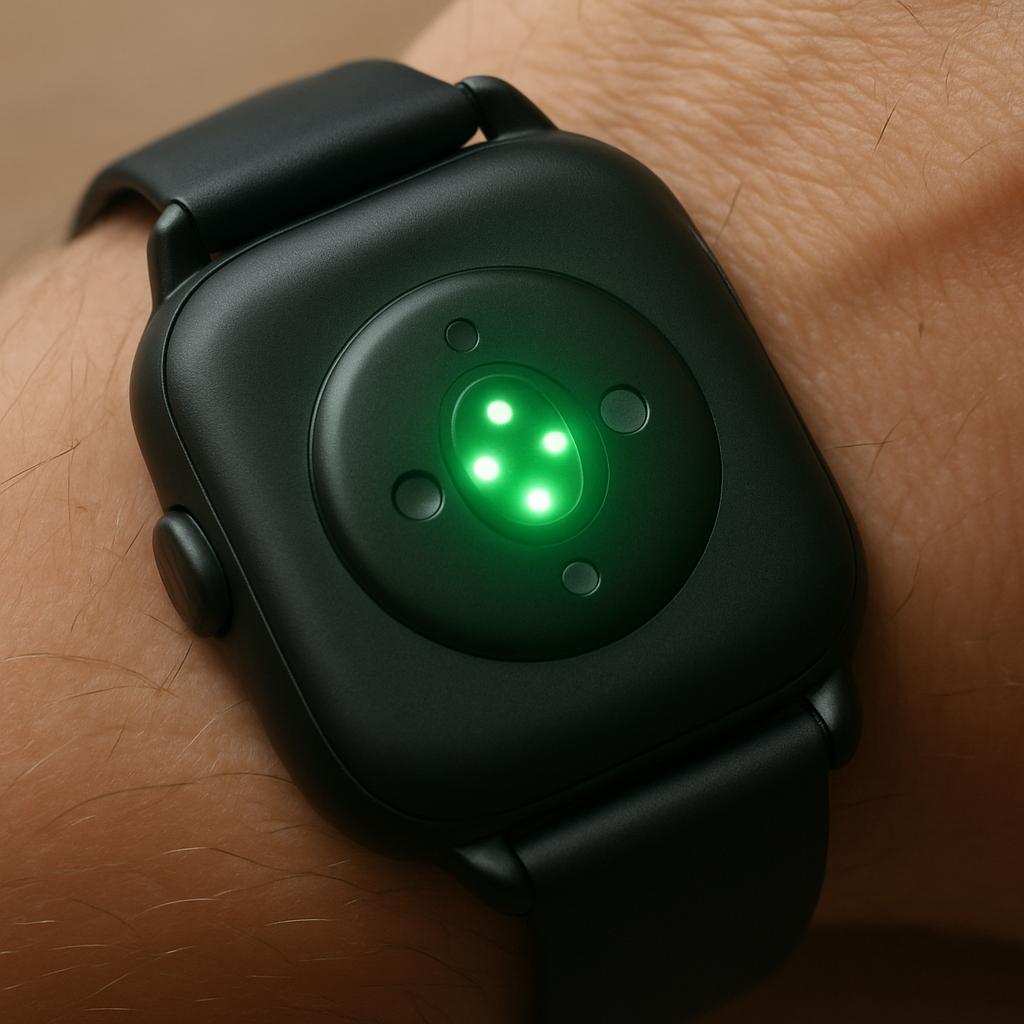
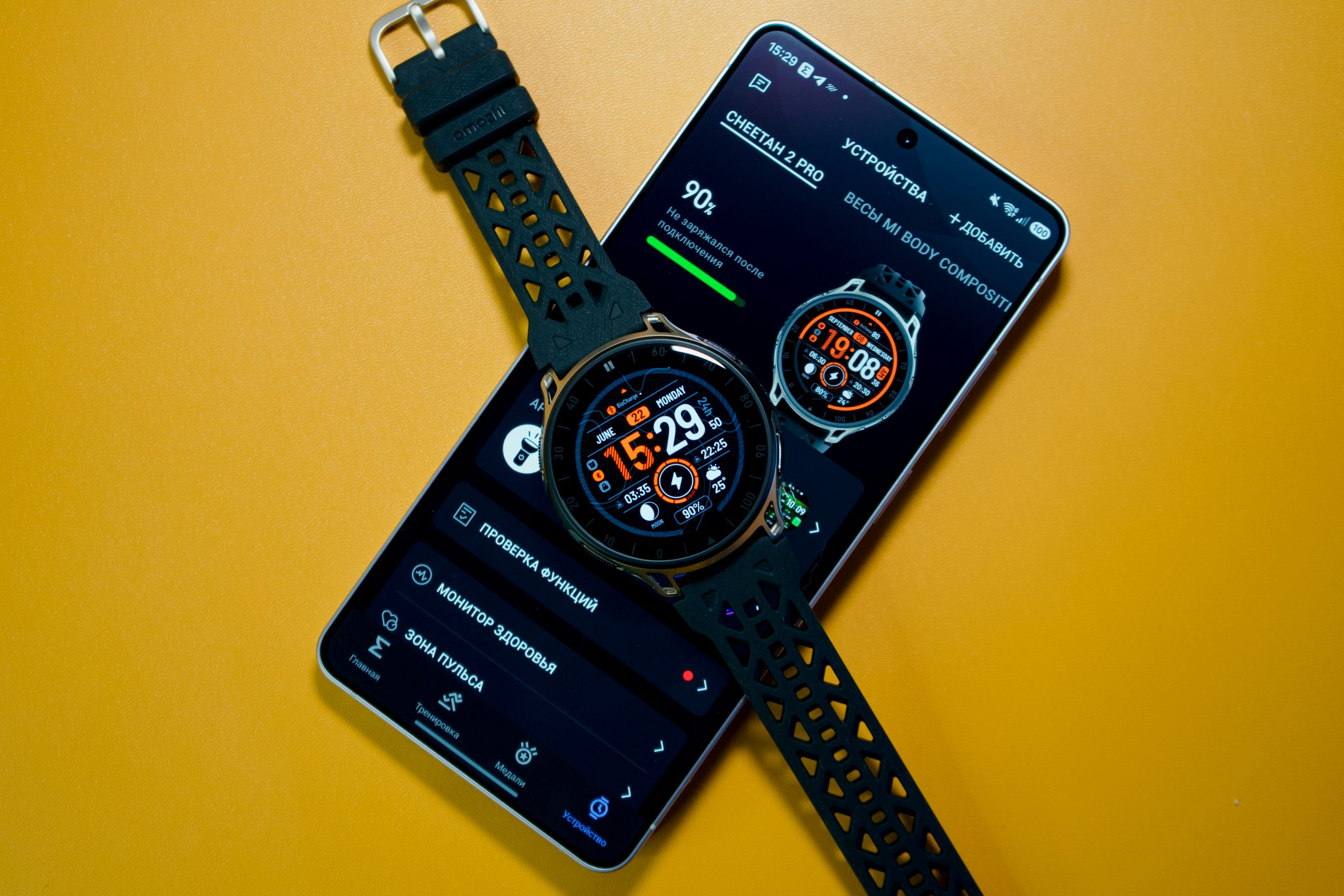
- Smartwatches: Annual refreshes from the major makers continue to add health sensors and on-device AI, making the watch more of a health and communication hub.
- Earbuds: New models emphasize better noise cancellation, clearer microphones, and AI features such as live translation and voice assistants.
- Smart rings: Small, screenless trackers focused on sleep and recovery keep growing, though some rumored new models have reportedly slipped to 2027.
- AI companions: Meta has shown a pocket-sized AI companion, and other companies are exploring pendants and pins that listen and respond throughout the day. Whether people actually want these remains an open question.
The Smart Home Gets Smarter
At home, the trend is toward devices that cooperate rather than compete. New cameras, speakers, displays and appliances use AI to handle routine tasks, from recognizing familiar faces at the door to adjusting lights and temperature based on routines. Industry standards such as Matter aim to let devices from different brands work together, which means fewer apps and less frustration. Reports also suggest Apple may enter the smart home display market, though timing is not confirmed.
The Catch: Privacy and Security
The same sensors that make these devices helpful also raise real concerns:
- Bystander privacy. Camera glasses have drawn backlash from people worried about being recorded without knowing it. Meta’s camera-free glasses and recording indicator lights are partly a response, but norms and rules are still catching up. Some venues, schools and workplaces already restrict them.
- Data collection. Always-on microphones and cameras generate sensitive information about your habits, location and surroundings. Check where data is stored, who can access it and how to delete it.
- Cybersecurity. Every connected device is another entry point for attackers. Default passwords, unpatched software and weak accounts remain the most common weak spots.
Smart Buying Tips
- Decide what problem you want solved. A fitness ring, audio glasses, and a smart display serve very different needs.
- Wait for reviews. First-generation devices often have rough edges, and battery life and comfort matter more than feature lists.
- Check the ecosystem. Make sure the device works with your phone and other gadgets.
- Read the privacy settings. Turn off features you don’t need and learn how to disable microphones and cameras.
- Secure your accounts. Use strong, unique passwords and multi-factor authentication, and keep firmware updated.
- Respect others. If you wear camera glasses, be transparent about recording and follow local rules and etiquette.
The devices arriving now point toward a future where AI is less something you open and more something that is simply around you. That could mean hands-free navigation, instant translation, and a calmer relationship with your phone, or it could mean more data collected and more screens competing for attention. The smartest approach is curious but careful: try the technology that genuinely helps, ask hard questions about privacy, and remember that the best gadget is the one that makes your life better, not just busier.