Exploring the Ocean Through STEM
Our oceans cover more than 70% of Earth’s surface and play a critical role in regulating climate, supporting biodiversity, and providing resources for billions of people. Yet much of the ocean remains unexplored, creating exciting opportunities for students interested in Science, Technology, Engineering, and Mathematics (STEM).
Marine science is one of the most dynamic STEM fields, combining biology, chemistry, physics, engineering, technology, and environmental science to better understand and protect our blue planet.
From studying coral reefs and sharks to designing underwater robots and analyzing climate data, marine scientists use STEM skills every day to solve real-world challenges.
Science: Understanding Marine Life
Science is at the heart of marine exploration. Marine biologists investigate:
- Whale and dolphin behavior
- Coral reef ecosystems
- Fish populations
- Marine mammals
- Ocean conservation challenges
- Water quality and pollution
Students learning marine science develop observation, research, and critical-thinking skills while discovering how living organisms interact within complex ocean ecosystems.
Technology: Revealing Ocean Secrets
Modern technology has transformed our understanding of the ocean.
Marine researchers use:
- Underwater drones
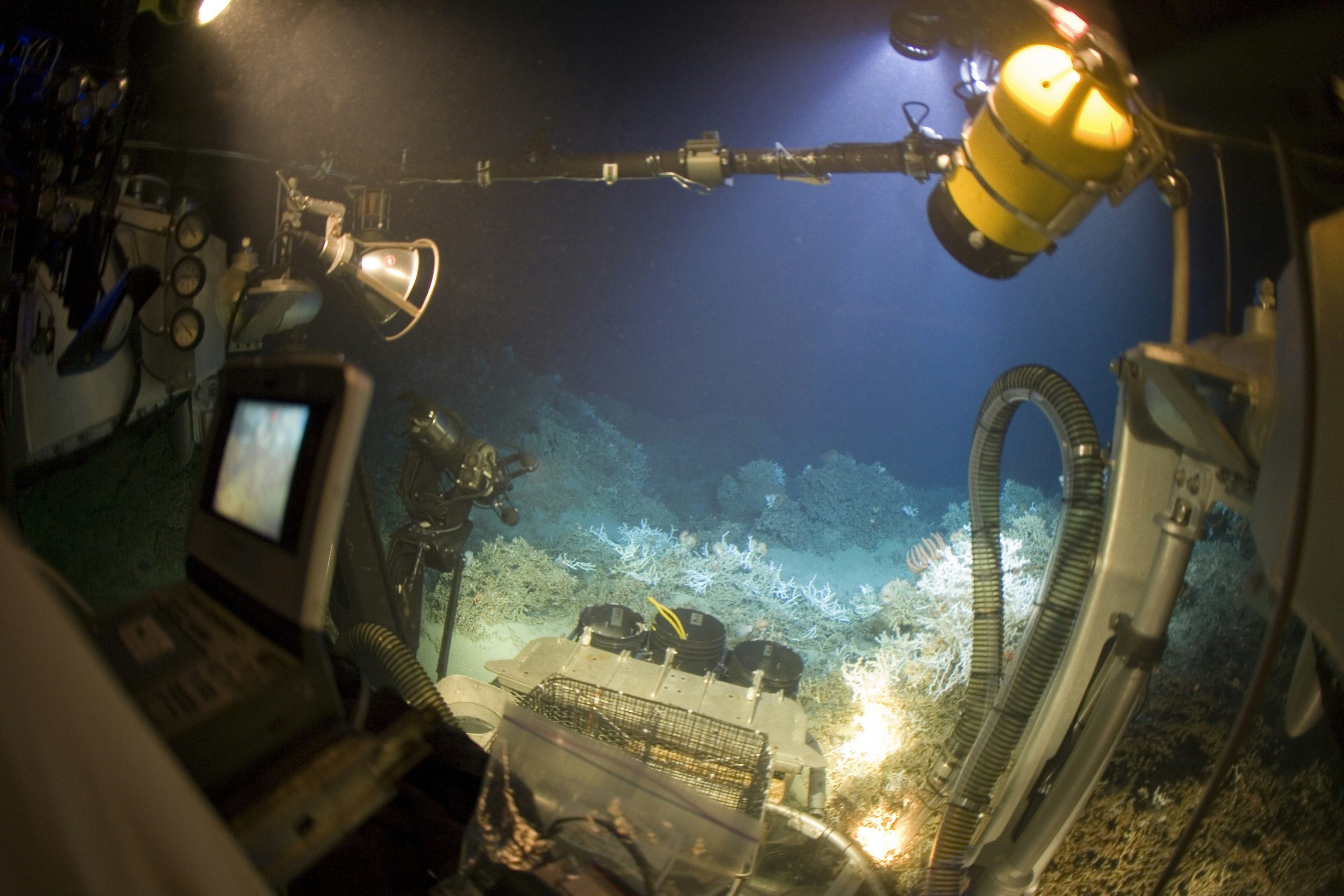
- Remote-operated vehicles (ROVs)
- Satellite imaging systems
- Artificial intelligence
- Sonar mapping tools
- Digital monitoring equipment
These technologies allow scientists to explore deep-sea environments that humans cannot easily reach and collect valuable data about ocean health.
Students who develop technology skills today may become tomorrow’s innovators, creating the next generation of tools for ocean discovery.
Engineering: Building Solutions Beneath the Waves
Engineering plays a vital role in marine science.
Ocean engineers design:
- Autonomous underwater vehicles
- Research vessels
- Coastal protection systems
- Sustainable aquaculture facilities
- Renewable energy platforms
By applying engineering principles, students can help address issues such as sea-level rise, habitat degradation, and sustainable resource management.
Mathematics: The Language of Marine Research
Marine scientists rely heavily on mathematics to:
- Track migratory patterns
- Measure ocean currents
- Analyze climate trends
- Model ecosystems
- Forecast environmental changes
Mathematics helps transform data into knowledge, allowing researchers to make informed decisions about conservation and resource management.
Marine STEM Careers of the Future
The growing blue economy is creating exciting opportunities for students interested in marine science. Future careers may include:
- Marine Biologist
- Oceanographer
- Environmental Scientist
- Aquarium Educator
- Marine Veterinarian
- Ocean Engineer
- Climate Researcher
- Fisheries Scientist
- Conservation Specialist
- Robotics Engineer
These professions combine scientific knowledge with innovation to improve both human communities and marine ecosystems.
Why Marine STEM Education Matters
Educating young people about marine science is more important than ever.
Challenges such as climate change, plastic pollution, habitat loss, and declining biodiversity require creative solutions from future scientists, engineers, and environmental leaders.
Through marine STEM education, students learn:
- Problem-solving skills
- Scientific inquiry
- Environmental stewardship
- Technological innovation
- Teamwork and collaboration
Most importantly, they gain an understanding of how their actions can positively impact the world’s oceans.
Bringing the Ocean into the Classroom
Marine STEM learning can happen anywhere. Students can:
- Build model ROVs
- Conduct water-quality experiments
- Analyze marine animal data
- Participate in citizen science projects
- Visit aquariums and science centers
- Explore virtual ocean expeditions
Hands-on experiences help students connect classroom concepts to real-world challenges and inspire future careers in marine science.
The Future Is Blue
As humanity faces growing environmental challenges, the need for skilled marine scientists and STEM professionals has never been greater. Today’s students have the opportunity to become the innovators who discover new species, develop sustainable technologies, protect marine habitats, and unlock the mysteries of the deep sea.
The ocean’s future depends on the next generation of STEM leaders.
And their journey may begin with a single question:
What lies beneath the waves, waiting to be discovered?
STEM NASTICS Challenge
Design your own underwater research vehicle on paper. What tools would it carry? How deep could it dive? What marine mystery would it investigate?
Remember: Every great ocean discovery starts with curiosity.