What happens to America’s future when millions of children struggle to read, understand mathematics, and develop the skills needed to compete in an increasingly technology-driven world?
This is more than an education problem. It is a challenge to America’s economic competitiveness, technological leadership, and long-term national security.
America cannot secure its future if it fails to prepare its next generation.
The Warning Signs Are Clear
According to the 2024 Nation’s Report Card, approximately 40% of fourth-grade students and 33% of eighth-grade students scored below the NAEP Basic level in reading. In mathematics, approximately 24% of fourth graders and 39% of eighth graders scored below that benchmark.
These results reveal serious gaps in foundational academic skills. National reading scores also declined between 2022 and 2024.
Reading and mathematics are the building blocks of education. Students need these skills to understand scientific information, solve problems, evaluate digital content, and prepare for careers.
When students fall behind, the consequences can extend beyond the classroom and affect their future opportunities.
Why This Is a National Security Issue
National security is usually associated with military strength, cybersecurity, and protecting America’s infrastructure. But national strength also depends on having an educated population capable of solving complex problems and developing new technologies.
1. Economic Competitiveness
America needs skilled workers in healthcare, engineering, advanced manufacturing, cybersecurity, and other essential industries. Weak educational foundations can make it harder for students to enter these fields and for employers to find qualified workers.
2. Artificial Intelligence and Technology
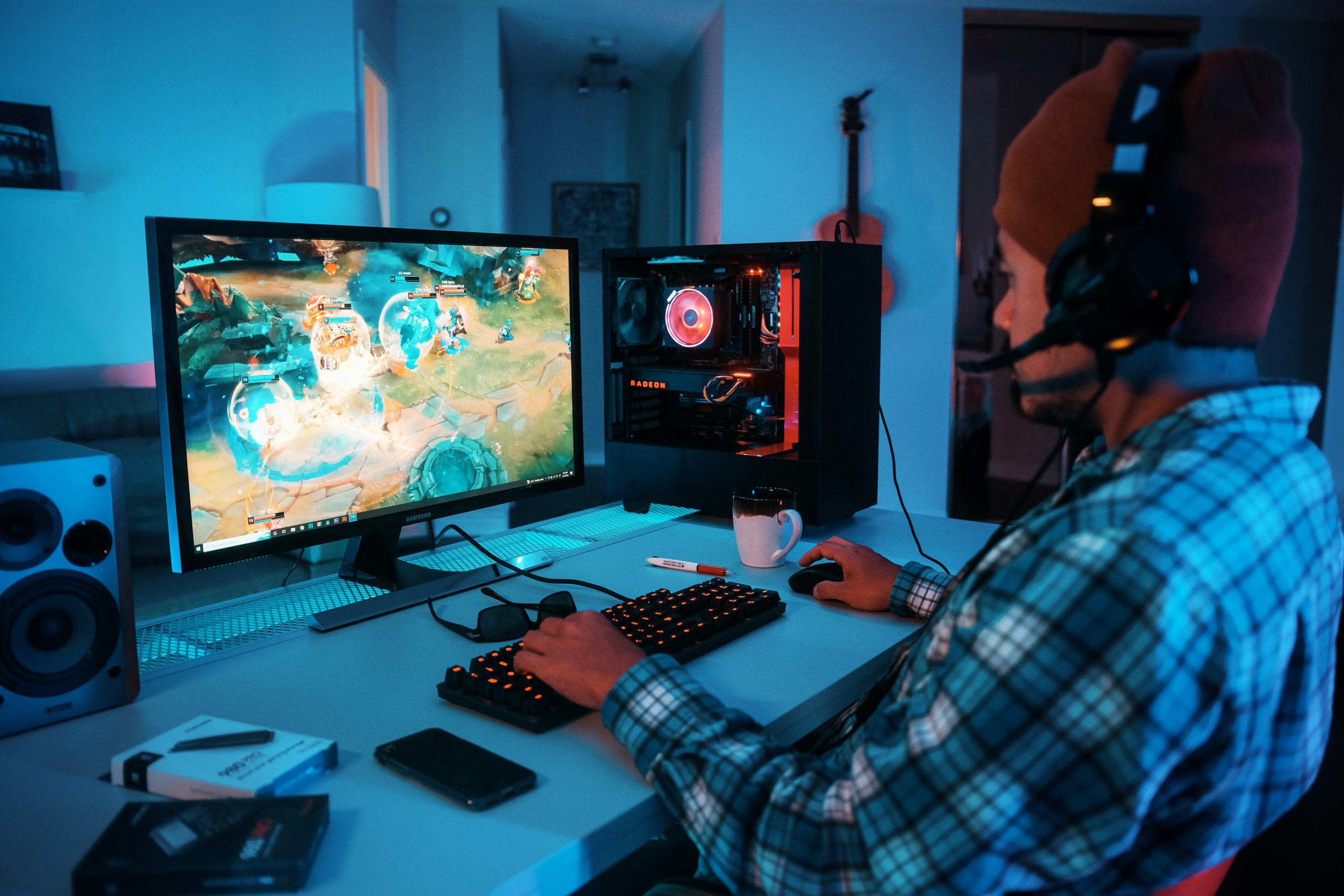
The global competition for AI leadership is intensifying. Students need strong mathematics, reading, and critical-thinking skills to understand, evaluate, and eventually develop advanced technologies.
The National Science Foundation recognizes the importance of developing a strong STEM workforce to support American innovation and global leadership.
3. Cybersecurity and Defense
Protecting America’s digital infrastructure requires trained professionals who understand computing, analytical reasoning, and complex technical systems. Strong foundational education helps prepare the next generation for these responsibilities.
4. Information Security
Misinformation and AI-generated content can confuse the public and undermine informed decision-making. Reading comprehension and critical thinking help people evaluate evidence, question misleading claims, and make better decisions.
Education cannot eliminate these threats, but it can help build a population better equipped to respond to them.
How Can America Respond?
America needs a national education strategy that puts learning first.
- Strengthen early literacy: Identify reading difficulties early and provide effective instruction and tutoring.
- Improve mathematics education: Give students the support they need to master foundational concepts before advancing to more complex subjects.
- Invest in teachers: Provide educators with effective training, instructional resources, and classroom support.
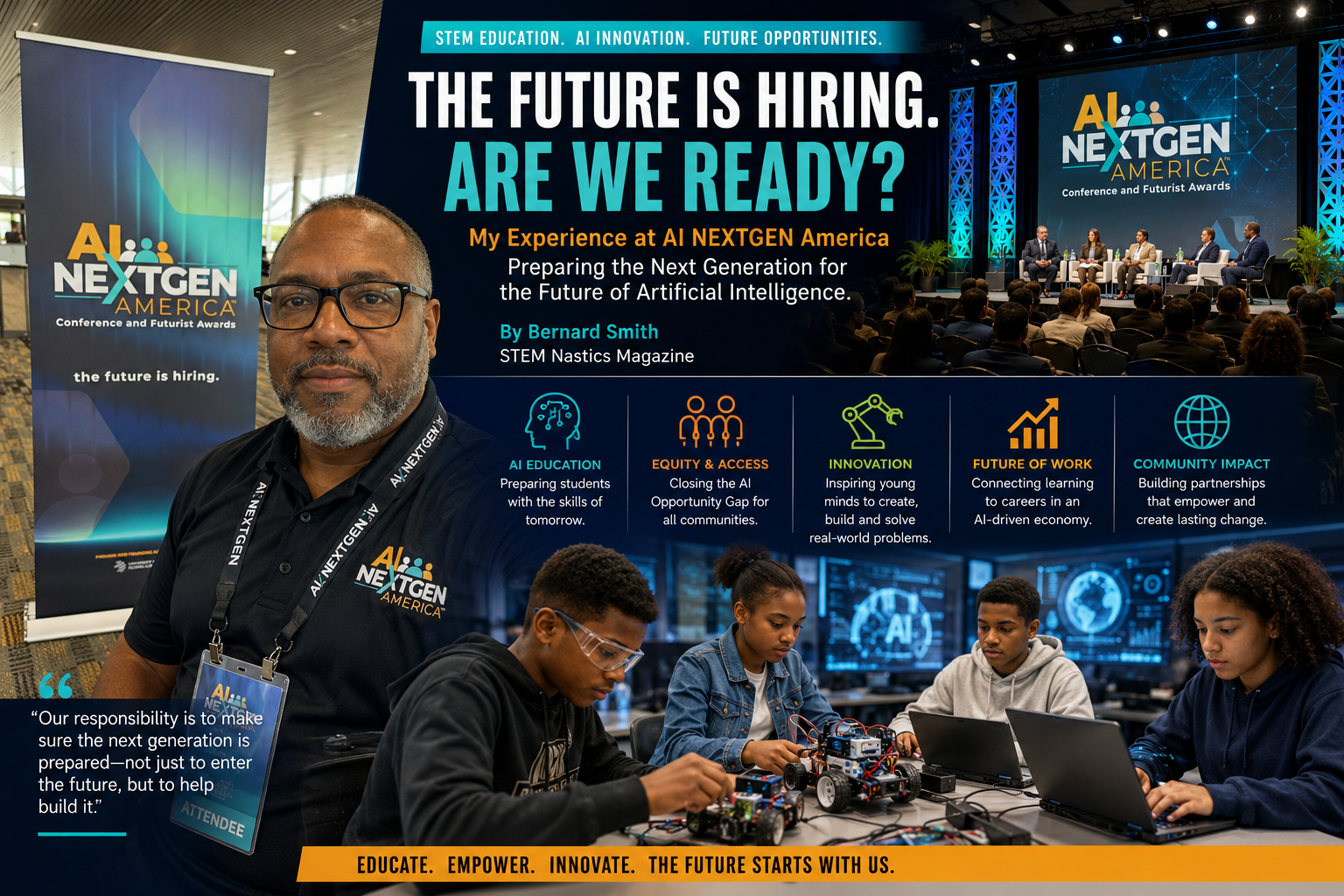
- Expand AI and STEM education: Give students from every community opportunities to explore robotics, computer science, engineering, and artificial intelligence.
- Use technology responsibly: Introduce AI learning tools that support teachers and students while protecting privacy and measuring actual learning.
- Demand measurable results: Track improvements in reading, mathematics, graduation outcomes, and access to career opportunities.
Schools, families, community organizations, universities, and employers must work together to make these improvements possible.
Baltimore Can Help Lead the Way
Baltimore could become part of the solution by expanding community-based learning opportunities through schools, libraries, nonprofits, recreation centers, and technology partnerships.
Programs offering reading tutoring, mathematics support, robotics, AI literacy, and career exploration could help more young people prepare for the future.
Students from underserved communities must have opportunities to become tomorrow’s scientists, engineers, technology entrepreneurs, and innovators.
A child’s ZIP code should never determine whether that child can participate in America’s technological future.
The Cost of Inaction
America is investing in advanced technologies, modern infrastructure, and national defense. But these investments depend on people who can operate, improve, and develop the systems of tomorrow.
If the country fails to address persistent educational weaknesses, it risks limiting its future talent pool and weakening its competitive position.
Children who struggle academically are not the threat. The threat is allowing those struggles to go unaddressed.
The solution is not to blame students or teachers. It is to provide effective instruction, support families, invest in educators, and hold education systems accountable for meaningful improvements.
Conclusion: Protect America’s Future by Educating Its Children
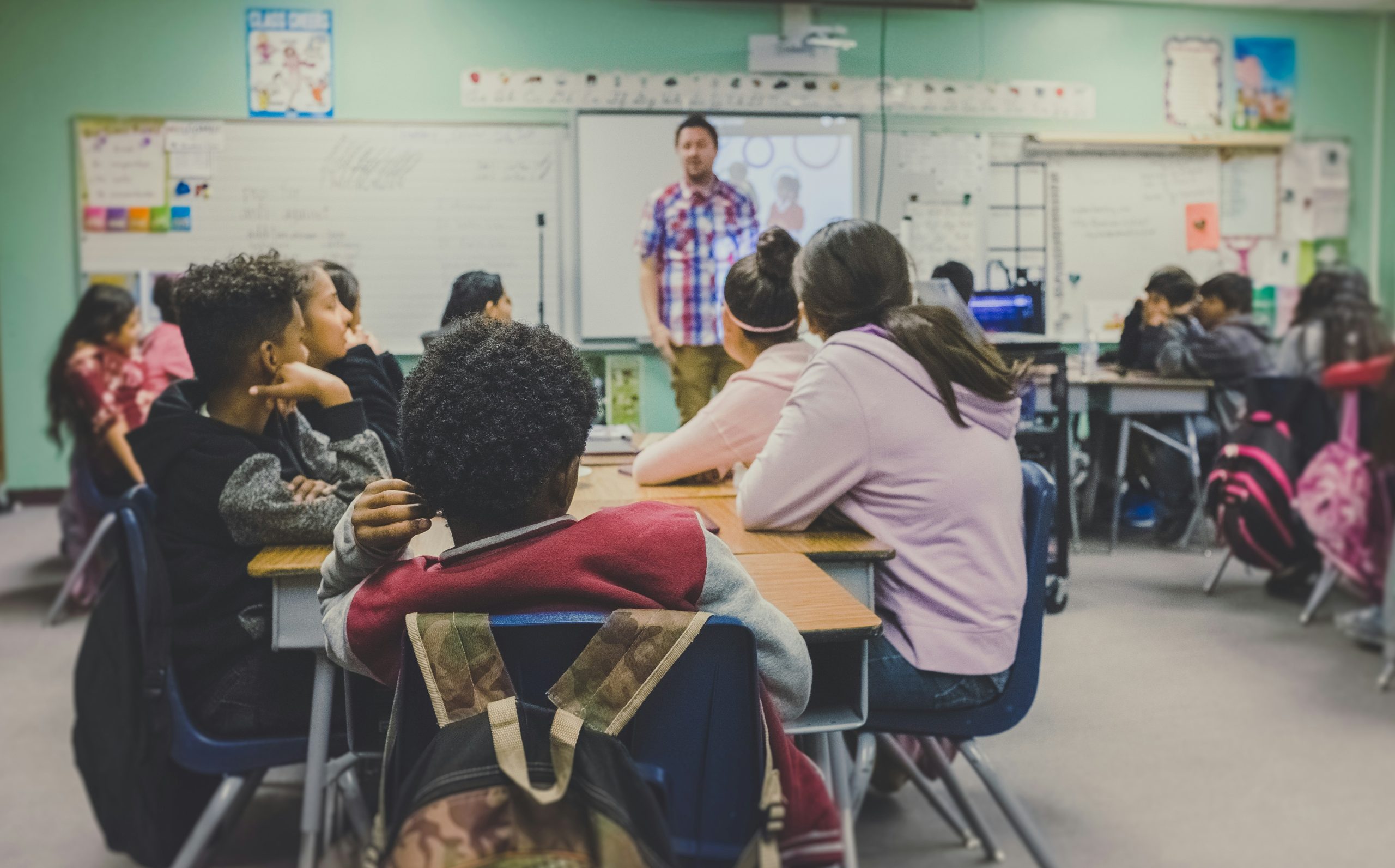
America’s next generation of scientists, engineers, cybersecurity professionals, healthcare workers, and entrepreneurs is sitting in classrooms today.
Their ability to succeed will depend, in part, on whether they receive the educational foundations they need.
Reading and mathematics are not merely school subjects. They are essential tools for economic opportunity, technological innovation, and informed citizenship.
Education should be treated as a national security priority—not because struggling children threaten America, but because their education is essential to the nation’s future.
We must stop treating educational failure as someone else’s problem.
The future of American innovation, economic strength, and national security begins with what our children learn today.
To protect America’s future, we must invest in the minds of the next generation.